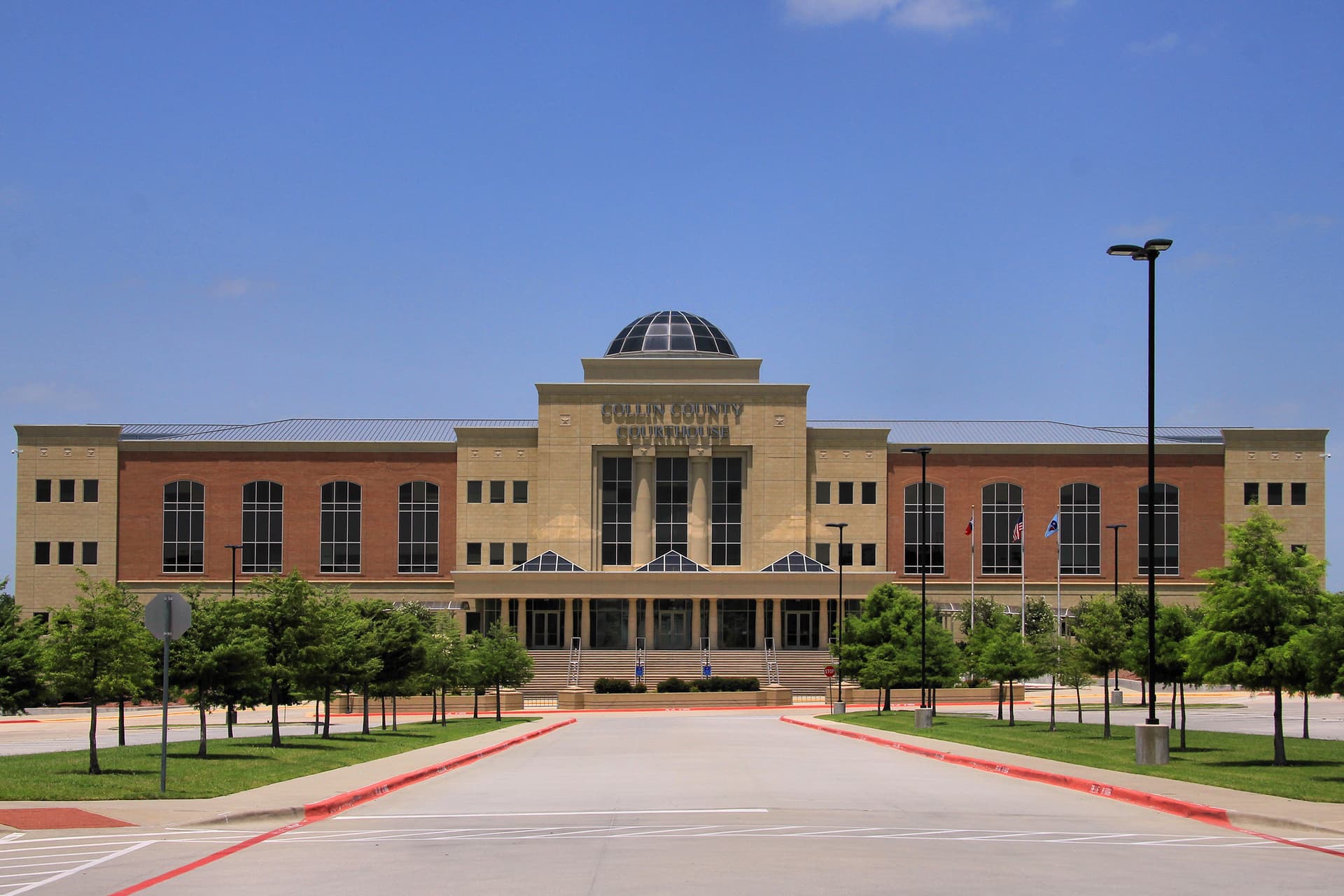
Collin County lawmakers discuss growth, housing and transportation pressures
Four Collin County lawmakers tied traffic, rent and property taxes to the same pressure: growth is outrunning roads, housing and schools.
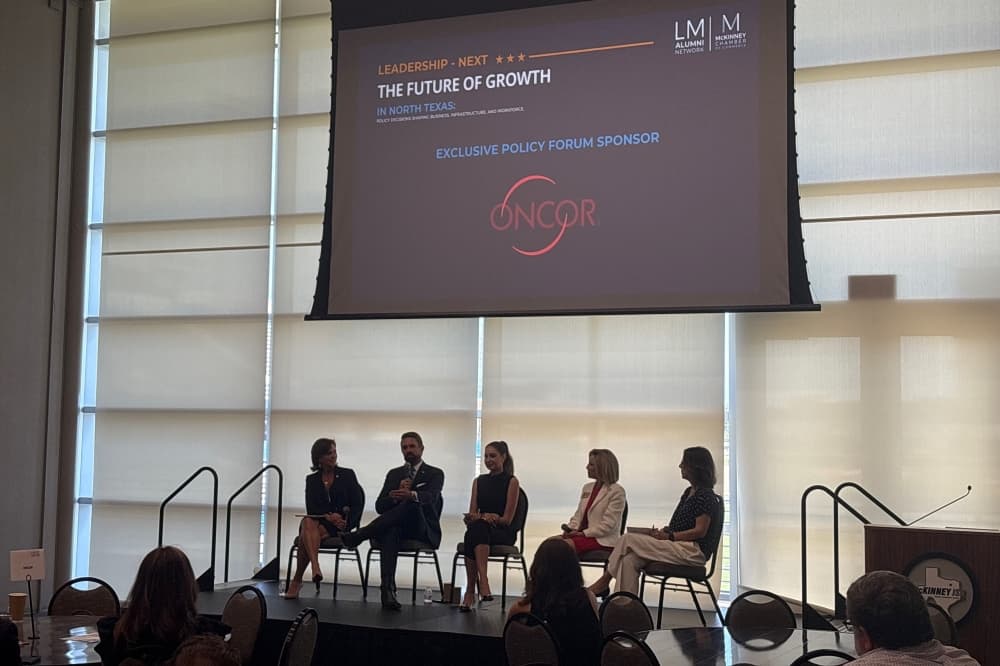
Collin County’s growth is no longer an abstract planning problem. At a June 18 panel in McKinney, four lawmakers who represent pieces of the county said the pressure is already showing up in traffic, housing costs and the tax bills families carry from one year to the next.
Lawmakers put the county’s growth problem on the table
The discussion at the McKinney ISD Community Event Center brought together state Rep. Jeff Leach, state Sen. Angela Paxton, state Rep. Mihaela Plesa and state Rep. Keresa Richardson. Their districts span Allen, Plano, Richardson, McKinney, Frisco, Celina, Prosper and other nearby communities, which made the panel less a city-by-city update than a regional check-in on how one of Texas’s fastest-growing corners is holding together.
Barb Delk, the McKinney Chamber of Commerce’s business development director, moderated and asked a direct question: what has to happen by 2036 for North Texas to keep growing and prospering. The answers circled repeatedly back to the same bottlenecks, transportation, housing affordability, workforce development and education. That mix mattered because it linked the daily frustrations residents already know, longer commutes, higher rents and rising bills, to the state policy decisions that shape them.
The numbers behind the pressure are hard to ignore
Collin County’s population reached 1,297,179 on July 1, 2025, according to U.S. Census Bureau estimates, up from 1,066,331 at the 2020 Census. The county also had 488,841 housing units in the Census Bureau’s 2025 estimates, and the median gross rent came in at $1,859 in the bureau’s 2020 to 2024 data. Those figures help explain why the panel’s conversation stayed anchored in affordability instead of abstract growth theory.

Richardson said property tax relief will need to be a top issue in the next legislative session, arguing that young families are being squeezed from multiple directions at once. Her point went beyond home prices alone: she tied the pressure to housing, auto insurance, home insurance and property tax bills, all of which land at once for households trying to buy or stay put in Collin County.
Transportation planning is already stretching into 2050
The transportation piece is not waiting for the next legislative cycle. The North Central Texas Council of Governments says Mobility 2050 is the latest Metropolitan Transportation Plan for North Texas, and it guides transportation improvements through 2050 across the 12-county metro area. The Regional Transportation Council adopted that plan on June 12, 2025, a week before the McKinney panel.
Collin County’s own transportation materials make the scale of the problem plain: the county says it is making infrastructural enhancements because rapid population and traffic growth are straining the existing system. That is the backdrop for the county’s updated thoroughfare planning and for earlier bond discussions that put road spending at the center of the conversation. In 2023, the largest share of a $683 million county bond proposal, $380 million, was aimed at roads and county transportation projects.
For residents, that means the policy debate is not about whether the county needs more capacity. It is about how quickly state and local leaders can deliver it, and which corridors, intersections and school-serving roads get priority while growth keeps pushing outward.
Housing affordability has become a regional planning issue
Housing came up at the panel because it now sits in the same bucket as roads and schools. The McKinney discussion recognized that workforce development and education are affected when workers cannot afford to live near their jobs or when families are pushed farther out in search of a lower monthly payment. That is especially true in cities across the county where growth has moved faster than the housing supply.
The local warning sign is already visible in McKinney. A May 2026 look at affordability found a gap for the city’s lowest-income households, underscoring that the problem is not limited to newcomers or luxury buyers. It reaches the households most likely to feel a rent hike, a tax increase or a longer commute first.
What the panel signals for the next phase of growth
The value of the June 18 discussion was not that it produced a single fix. It showed that the lawmakers who will help shape the next round of policy are treating growth as a linked problem, one that runs through road funding, school capacity, housing supply and tax relief at the same time.
That is the real test Collin County faces now. By the time 2036 arrives, residents will know whether the region chose to match its pace of development with transportation investment, housing options and school planning, or whether growth kept outrunning the systems meant to carry it.
This article was produced by Prism’s automated news system from verified source data, official records, and press releases, then run through automated quality and moderation checks before publishing. The system is built and supervised by the people who set the standards it runs under. Read our full AI policy.
Did this article answer your question?