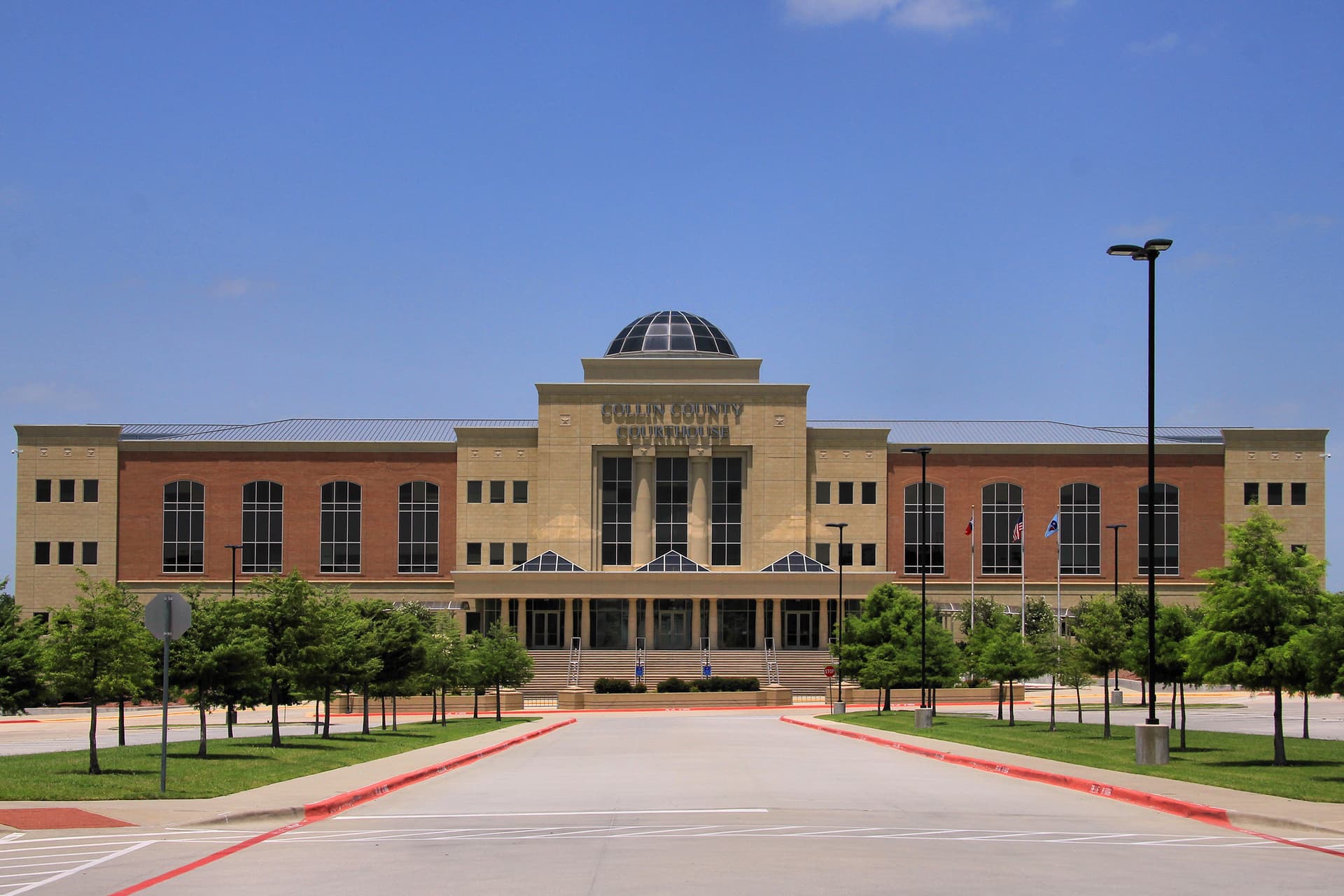
Collin County Ranks Among Nation's Fastest-Growing Counties, Census Data Shows
Collin County added nearly 43,000 residents in a single year, ranking second in the nation for numeric growth and pushing its population to nearly 1.3 million.
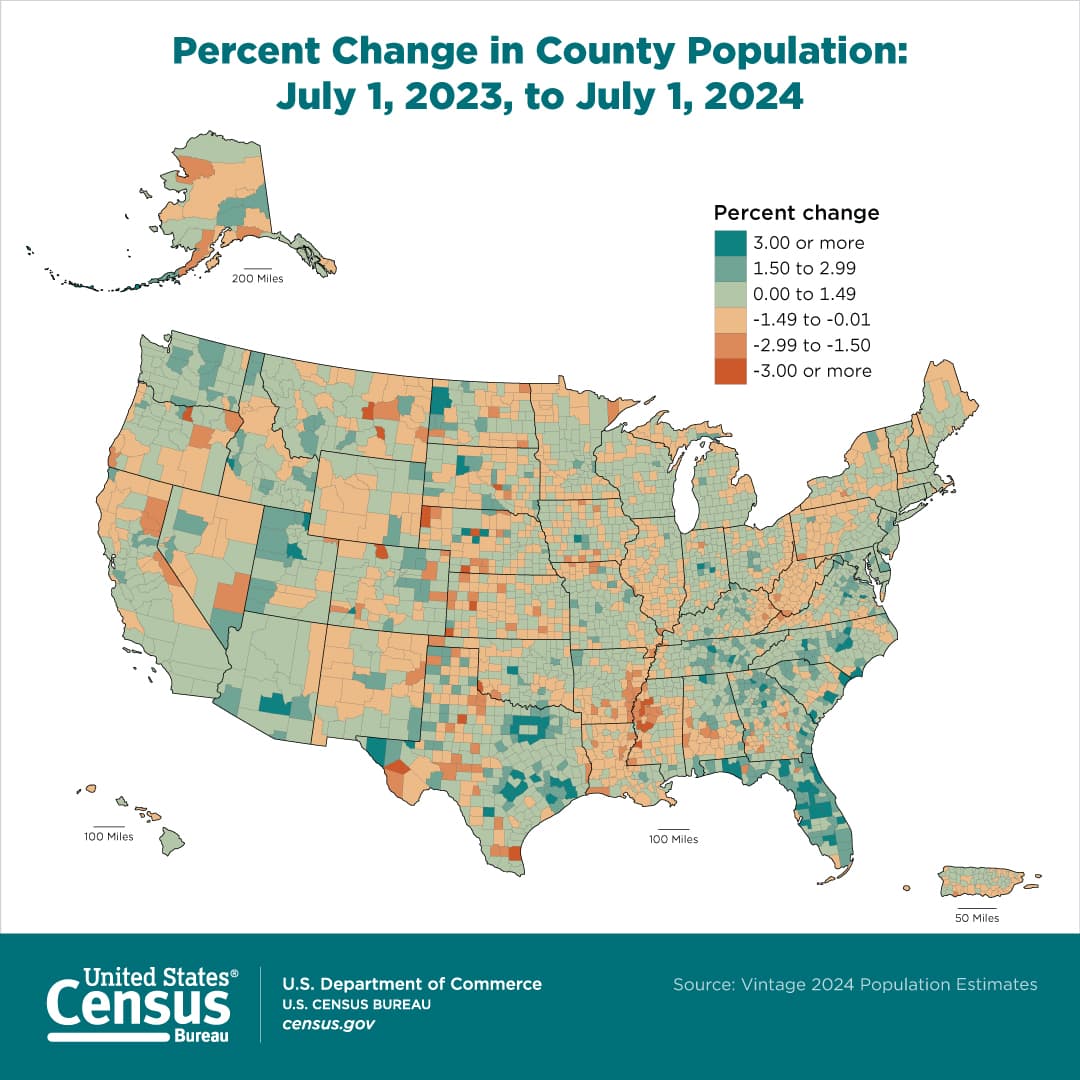
Princeton, a small city in northeast Collin County that transformed from a farming town into a sprawling suburb faster than almost anywhere else in America, holds the Census Bureau's designation as the fastest-growing city in the United States. Its home county just confirmed it belongs in the same conversation.
U.S. Census Bureau estimates show Collin County gained 42,966 residents in the year ending July 1, 2025, a 3.4 percent increase that pushed the county's population to nearly 1.3 million, ranking it second in the nation for numeric growth. Only Harris County, anchoring the Houston metro, added more residents during the same period.
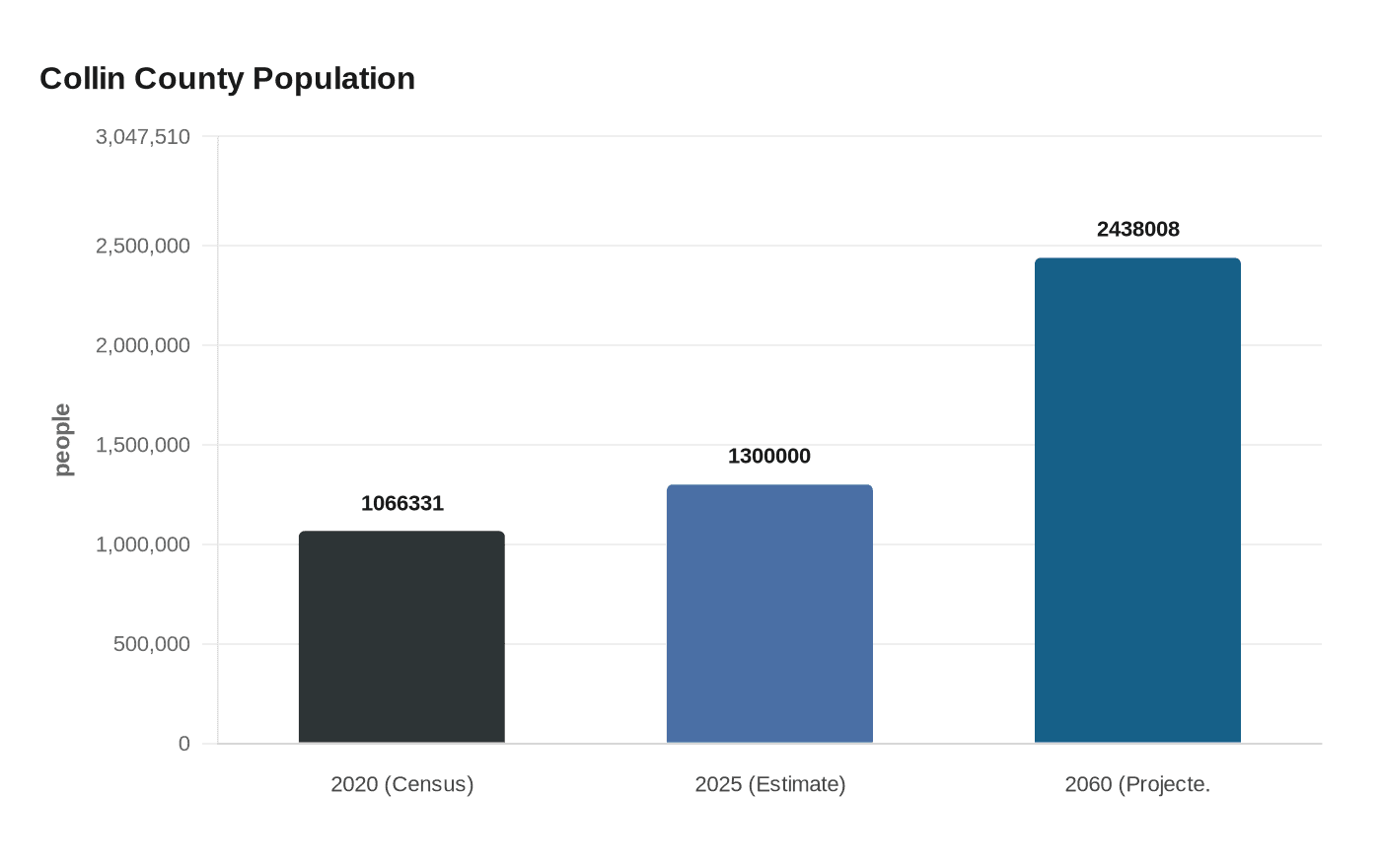
The figures extend a streak that predates the pandemic. Since the 2020 Census recorded 1,066,331 residents, Collin County has absorbed nearly 200,000 additional people, a gain large enough to populate a midsize Texas city from scratch.
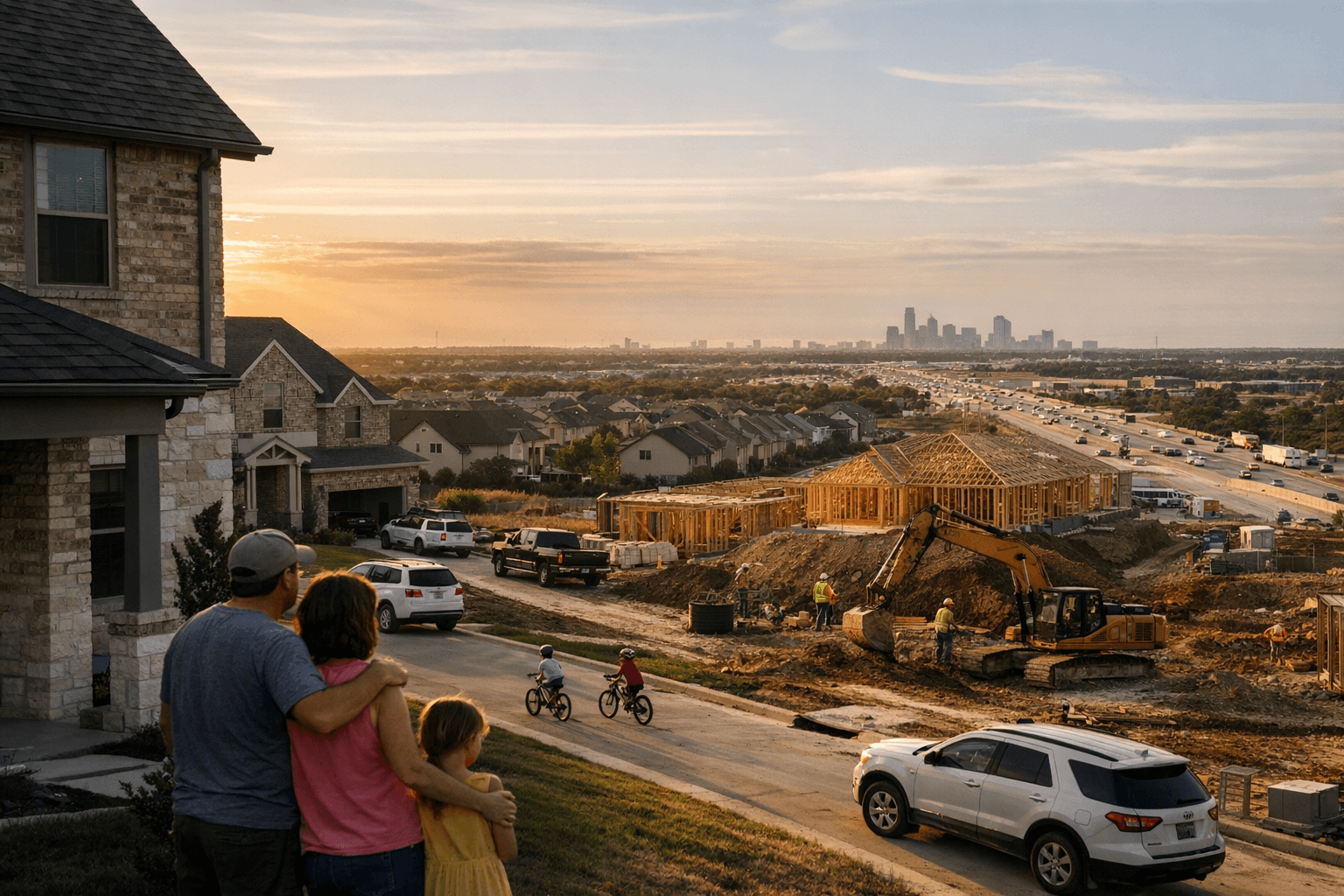
The Dallas-Fort Worth metroplex added the second-most people of any U.S. metropolitan area between 2024 and 2025, trailing only Houston. Collin County supplied a significant share of that regional total, driven by sustained in-migration to suburban job centers and a construction pipeline spanning from Frisco's corporate campuses to new housing tracts pushing the county's eastern and northern edges.
The raw numbers carry specific obligations. Every household arriving in McKinney or Allen means a student in a district already managing capacity, a vehicle on roads built to earlier projections, and demand on water and sewer infrastructure that utility planners have scheduled for expansion years in advance. Public-safety staffing, emergency medical services and long-term capital budgets for cities and the county all shift when nearly 43,000 people arrive in a single year.
Cities face the fundamental tension of rapid growth: a swelling tax base that can fund more services while simultaneously demanding more of them. Collin County is evolving, transforming cities like Plano and Frisco from mere suburbs of Dallas into thriving economic centers. Transportation agencies, school districts and municipal governments will need to align capital spending plans to avoid the gaps that emerge when infrastructure timelines lag behind population timelines.
Texas Demographic Center projections suggest that by 2060, Collin County will be home to 2,438,008 people, double what it is today. Getting there without undermining the quality of life that drew those nearly 43,000 new residents in a single year is the defining planning challenge for every government body operating inside the county line.
This article was produced by Prism’s automated news system from verified source data, official records, and press releases, then run through automated quality and moderation checks before publishing. The system is built and supervised by the people who set the standards it runs under. Read our full AI policy.
Did this article answer your question?