DART outlines shelter, technology upgrades for Richardson transit riders
Richardson riders could see newer shelters, better lighting and real-time arrival signs as DART modernizes more than 1,000 stops and adds 350 more across the region.
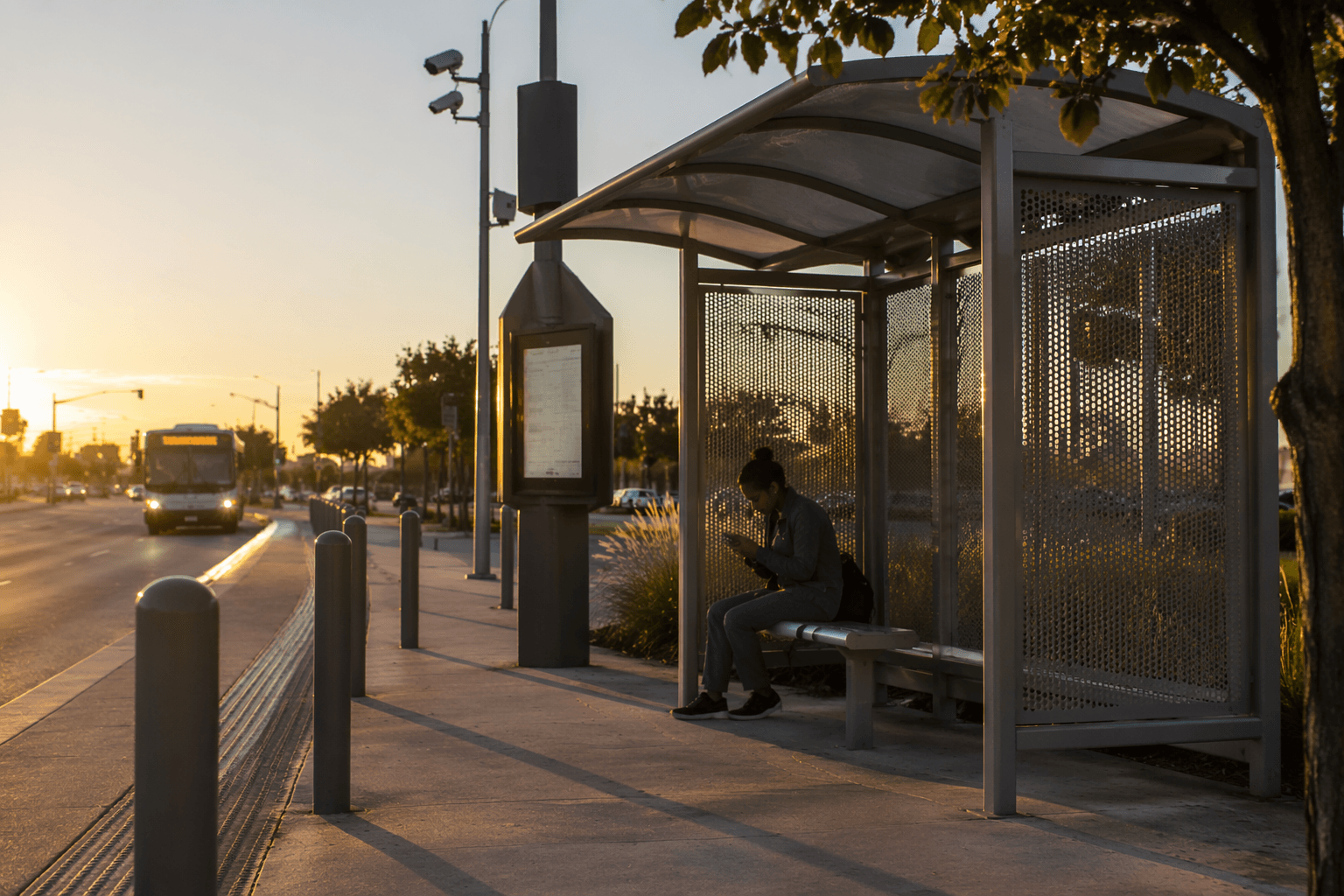
DART is promising changes that commuters can feel at the curb, not just on a presentation slide: newer bus shelters, real-time arrival information, better lighting, improved roofs and updated ticket and tap-card machines. For Richardson riders who depend on buses, Silver Line stations and paratransit, the upgrades are meant to cut waits, improve safety and make daily transfers less frustrating.
At a June 15 update to Richardson City Council, DART officials said the city sits at the center of a busy network that includes two Silver Line stations, four light rail stations served during peak times and major events, 10 bus routes, two site-specific shuttles, East Telecom GoLink and paratransit service. Richardson’s own DART materials say the city logged nearly 3 million transit trips in 2019, and more than 60 percent of them were by bus. The city voted to join DART in 1983 and has remained part of the system since the agency’s beginning.
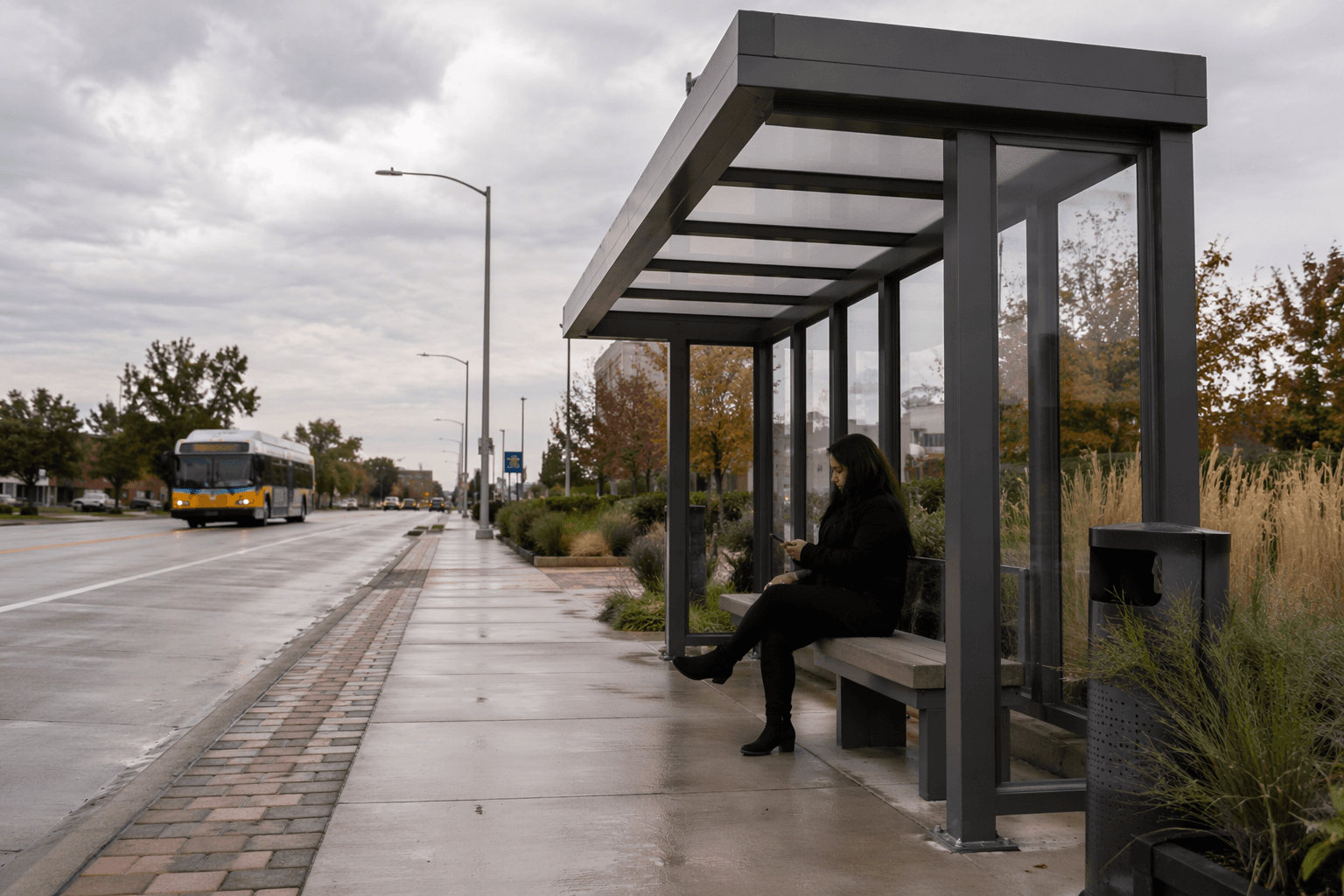
The biggest near-term change for riders is the shelter overhaul. On March 24, DART’s board approved a contract worth up to $71.5 million to modernize more than 1,000 existing bus stop shelters and add 350 new shelter locations over five years. DART said many of the shelters are more than 20 years old. The new standard will include real-time arrival displays, better seating, more weather protection, lighting and other passenger amenities. Installation and upgrades are planned in phases through 2030.
DART also pointed to broader service changes that affect how riders move across Richardson and Collin County. The agency’s Mobility+ Program says the January 2022 bus-network redesign increased frequent routes from 7 to 21 and expanded GoLink zones from 16 to 30. DART is also bringing in a new fleet of buses and exploring low-floor light rail vehicles, part of a systemwide push to make boarding easier and trips more predictable.
On the ground in Richardson, DART interim executive vice president and chief development officer Trey Walker highlighted pedestrian and biking improvements near Arapaho Center Station and along Spring Valley Road, where bus stops were relocated to better line up with crossing points. He also said DART will work with the city in fiscal year 2026-27 on crossing improvements along Renner Road near the University of Texas at Dallas to improve access to bus stops.
The Silver Line is already changing the map. The 26-mile regional rail service opened to passenger service on Oct. 25, 2025, crossing seven cities and three counties, including Richardson. DART has also completed the first of two arches that will span US 75 on the Richardson Silver Line bridge, with the second set for mid-July.
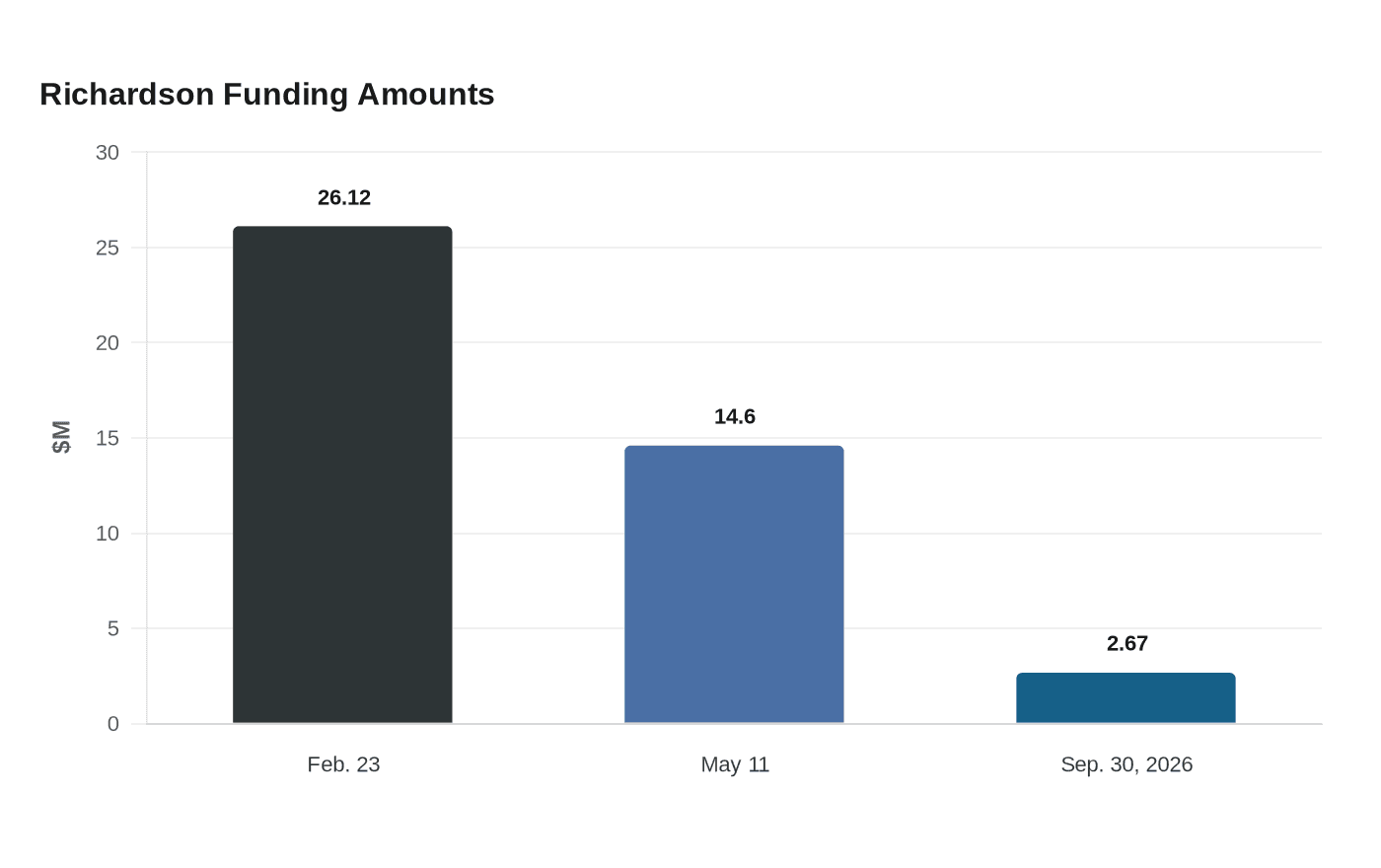
The modernization push comes as DART faces pressure to prove that its investments still matter in everyday terms. Agency leaders say ridership has been trending down after fall service reductions, even as DART’s 700-square-mile, 13-city system has helped catalyze an estimated $17 billion in development. In Richardson, the city council has kept transit and mobility high on the agenda, approving a new DART funding agreement on Feb. 23 that is expected to return about $26.12 million over six years, and later approving $14.6 million in transportation projects on May 11 for UTD-area access, Safe Routes to School work and crossings under US 75. A separate board-approved interlocal agreement transmitted Oct. 16 would send Richardson $2.67 million on Sept. 30, 2026.
This article was produced by Prism’s automated news system from verified source data, official records, and press releases, then run through automated quality and moderation checks before publishing. The system is built and supervised by the people who set the standards it runs under. Read our full AI policy.
Know something we missed? Have a correction or additional information?
Submit a Tip