Frisco Boosts Grand Park Cleanup Budget by $22.4 Million, Total Reaches $62 Million
Frisco's cleanup bill for the former Exide lead smelter has more than doubled since 2020, hitting $62 million after the city council added $22.4 million on March 3.

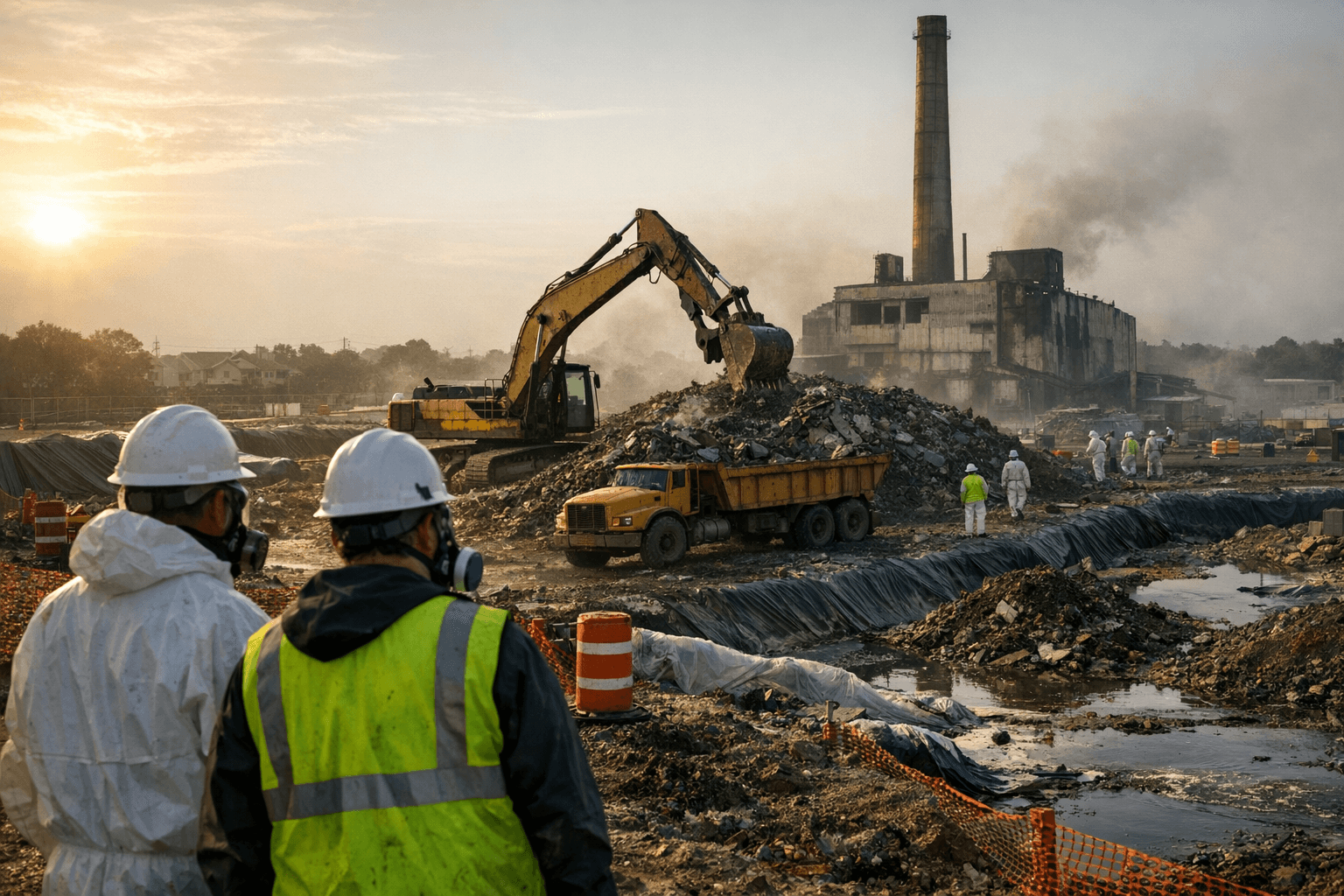
The Frisco City Council voted March 3 to add nearly $22.4 million to the city's environmental remediation budget for the former Exide Technologies battery recycling facility, pushing the total estimated cleanup cost for the 102-acre site to just over $62 million. The increase marks a significant escalation from the $29 million estimate the city cited when it first acquired the property in October 2020.
The site, which the City of Frisco and its Community Development Corporation closed on October 26, 2020, operated as a secondary lead smelter from 1964 through November 2012, processing used lead-acid batteries and other lead-bearing materials into various lead products. The city's plan is to convert the former industrial land into Grand Park, envisioned as Frisco's most ambitious public green space.
The 2020 acquisition involved a layered financial arrangement. Aspen American Insurance Company, which held a $25 million bond posted by Exide for cleanup, agreed to pay that amount to the Texas Commission on Environmental Quality, with the funds deposited into a trust held in the Frisco Community Development Corporation's name and dedicated exclusively to site cleanup. The City and its FCDC paid Aspen $3.5 million to resolve any remaining claims the insurer held on the property, and the city contributed an additional $4 million into the same trust to cover costs beyond the bond amount. To help fund the effort, the city raised garbage fees by $1 per cart per month for residential customers and 2 percent for commercial accounts.
At the time of the acquisition, Purefoy, identified in city communications from that period, captured the stakes of the undertaking. "There's a lot of work ahead, but the end result will be a treasured community asset," Purefoy said. "This could not have been accomplished without our City Council's vision for the end goal along with the cooperation and support of the executive, legal, and technical staff of the Texas Commission on Environmental Quality and the exceptional work done by the Texas Attorney General's team of lawyers."
Questions about who should ultimately bear the cleanup costs have also surfaced publicly. Patterson, in an official statement, argued that Frisco residents should not carry the full financial burden alone. "Frisco taxpayers should not bear the brunt of paying for the cleanup of this site, which served the state as the only battery recycling facility in Texas," Patterson said. "I'd like to thank the city of Frisco staff for working with me to bring attention to this matter."
Grand Park planning has been advancing alongside the remediation effort. In 2023, the Frisco City Council approved a $394,000 contract with global design firm IDEO to develop a community-driven vision for the park through workshops, public input sessions, and surveys. Later that same year, the city brought in Design Workshop, Inc. for site analysis and planning. Construction on Civic Park, the project's first phase, was expected to begin in the third quarter of 2025, with full completion of the multi-district park projected for 2029.
The March 3 budget increase, which accounts for most but not all of the more than $33 million gap between the 2020 estimate and the current $62 million figure, leaves open questions about what specific remediation work the additional funds will cover and how they will be financed. The city has not publicly detailed the funding mechanism behind the $22.4 million addition. With the Exide site spanning land that once ranked among Texas's most significant industrial pollution concerns, the path from lead smelter to public parkland now carries a price tag more than twice what city officials initially projected.
This article was produced by Prism’s automated news system from verified source data, official records, and press releases, then run through automated quality and moderation checks before publishing. The system is built and supervised by the people who set the standards it runs under. Read our full AI policy.
Did this article answer your question?