Frisco council meeting sparks debate over mosque and temple projects
A standing-room-only Frisco council meeting stretched past midnight after anti-Muslim remarks turned mosque and temple projects into a test of belonging in a fast-growing city.
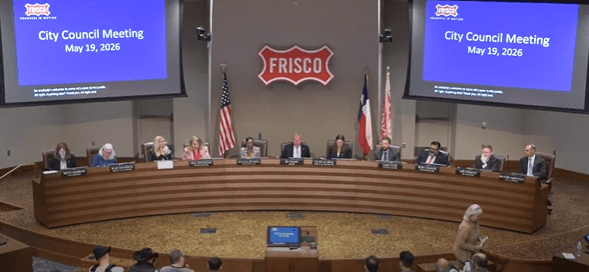
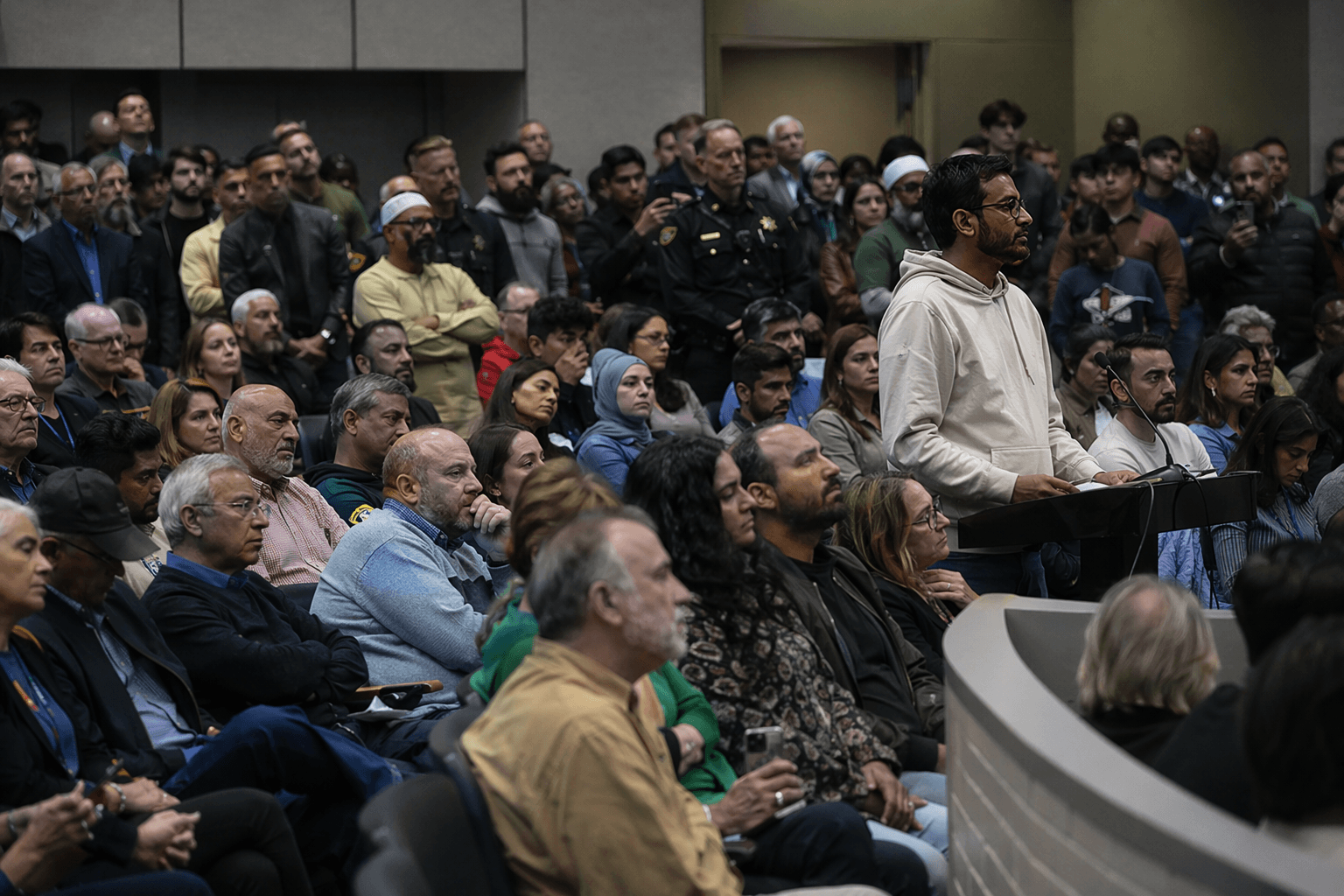
Frisco City Hall filled to standing room on May 19 as a man in military gear told the City Council that a Hindu-Muslim conspiracy was trying to take over Texas, turning a routine land-use hearing into a sharper question for one of Collin County’s fastest-changing cities: who feels safe showing up when zoning fights turn into identity fights.
The council took no action on the mosque and temple-related consent item after Mayor Jeff Cheney said the city attorney found no legal basis to appeal the Planning and Zoning Commission’s approvals. Frisco’s Planning and Zoning Commission had already approved all three projects on May 12, saying they were in full administrative compliance with city ordinances. The council meeting, held at the George A. Purefoy Municipal Center, ran more than four hours and stretched past midnight, with more than 50 speakers and a crowd that included local residents as well as outside activists.
One of the most disputed sites is tied to the Islamic Center of Quad Cities at 14800 Lebanon Road. Frisco building records show a commercial permit for that address was filed in October 2024, underscoring how long the project has moved through the city’s development process before it became a flashpoint in public comment.
The controversy landed in a city where growth has changed the civic map almost as quickly as the skyline. Frisco’s population was estimated at 236,955 on July 1, 2025, up 18.2 percent from the April 1, 2020 census base. The Census Bureau lists Frisco as 28.1 percent Asian, 27.3 percent foreign-born and 33.6 percent speaking a language other than English at home. Local officials also describe Frisco as one of the fastest-growing cities in Texas and the nation, with population growth of more than 450 percent in two decades.
That demographic shift has made city hall a more sensitive place for religious and land-use disputes. Earlier this year, city leaders and community members were already pushing back on “takeover” claims as divisive, and the latest meeting showed how quickly anti-immigrant and anti-Muslim rhetoric can reshape a standard zoning agenda into a civic stress test.
Frisco’s at-large council structure adds to the stakes, because every member answers to the city as a whole rather than a single district. That means the fight over a mosque and two Hindu temples is not just about three properties on paper. It is also about whether residents who bring routine business to city hall still see the chamber as a place where Frisco’s Hindu and Muslim families can participate without being cast as a threat.
This article was produced by Prism’s automated news system from verified source data, official records, and press releases, then run through automated quality and moderation checks before publishing. The system is built and supervised by the people who set the standards it runs under. Read our full AI policy.
Did this article answer your question?