Frisco Extends DCTA GoZone Microtransit Service Through 2029
Frisco locked in $388,000 and three more years for DCTA's GoZone microtransit, with a June pilot launch timed ahead of FIFA World Cup traffic.
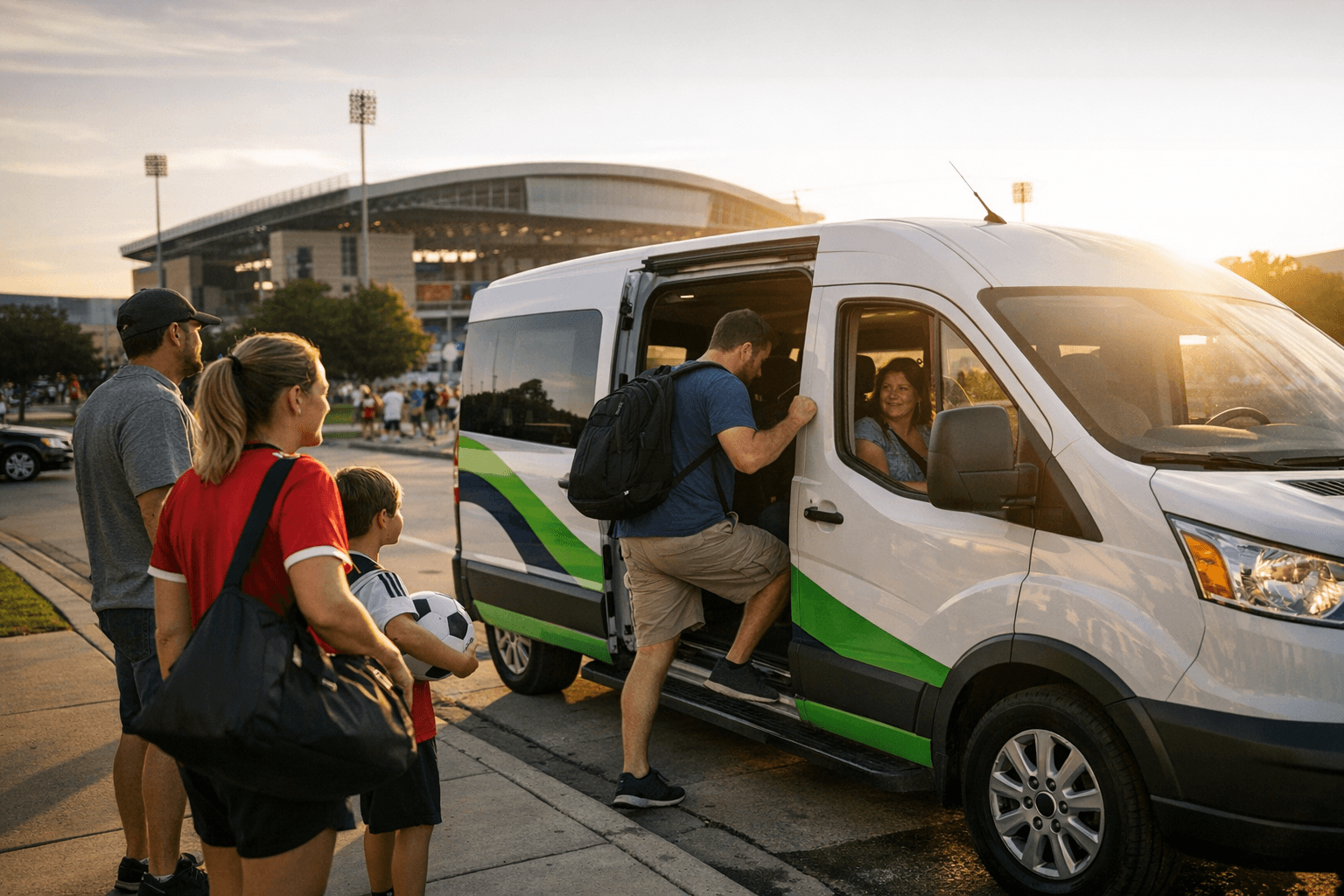
A $388,000 city investment will bring shared van rides as cheap as $3 to a 21-square-mile zone in Frisco, after the City Council approved a three-year extension of its DCTA GoZone microtransit partnership on April 7, with service set to launch in June ahead of anticipated FIFA World Cup traffic at regional venues.
The approved agreement locks in GoZone through March 31, 2029, pairing $348,000 from the Community Development Corporation with a separate $40,000 allocation earmarked specifically for supplemental coverage during World Cup events. The pilot launches with two shared vans, built-in designated parking, and vehicle-charging infrastructure already accounted for in the framework.
GoZone operates as an app-based, curb-to-curb service with fares ranging from $3 to $5 per ride depending on distance and zone. The Denton County Transportation Authority administers the platform alongside service operator Via, while Frisco staff will track ridership data, equity of access, and how effectively the service connects riders to regional transit hubs.
The extended agreement is not a blank check through 2029. It contains a one-year pilot structure with specific performance metrics that must be met before the city commits to sustained funding. Frisco staff emphasized the need to gather data on ridership patterns and first/last-mile connectivity, particularly for seniors, medical-trip passengers, and residents without personal vehicles.
World Cup demand was a visible driver in the council's calculation. FIFA matches at regional venues are expected to spike transportation pressure across North Texas, and the $40,000 event supplement gives the city flexibility to expand GoZone coverage during high-traffic periods without constructing permanent fixed-route infrastructure.
Proponents argue the service addresses a genuine mobility gap, especially for residents who rely on shared transportation for employment and medical appointments. The pilot structure, however, reflects a cautious fiscal posture: ridership performance in year one will determine whether Frisco adjusts zone boundaries, adds vehicles, or pulls back from the investment entirely.
This article was produced by Prism’s automated news system from verified source data, official records, and press releases, then run through automated quality and moderation checks before publishing. The system is built and supervised by the people who set the standards it runs under. Read our full AI policy.
Did this article answer your question?