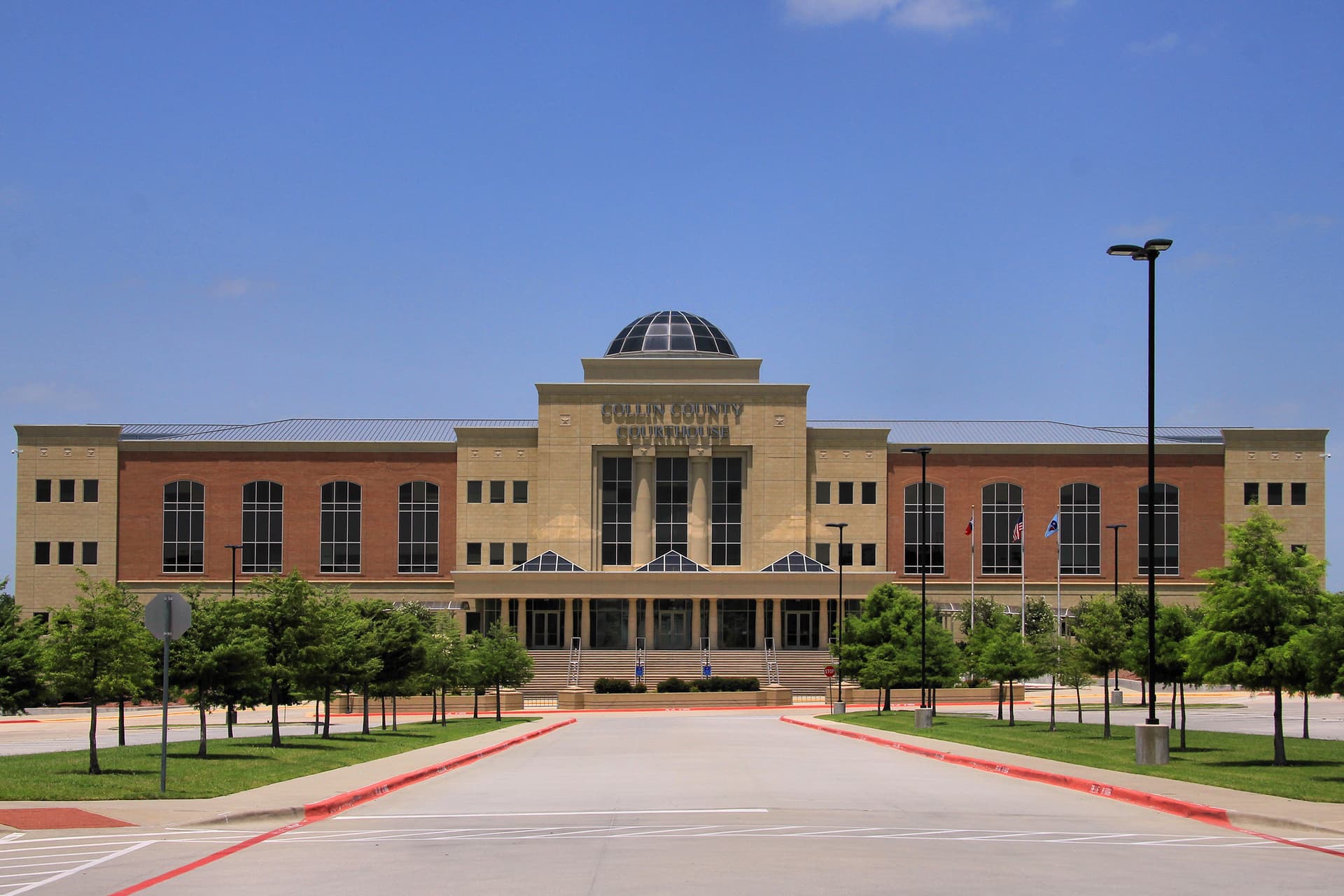
TxDOT Urges Collin County Drivers to Put Down Phones, Save Lives
Checking a text at highway speed is like driving a football field blindfolded. TxDOT's "Talk. Text. Crash." campaign is now targeting Collin County as spring foot traffic rises.
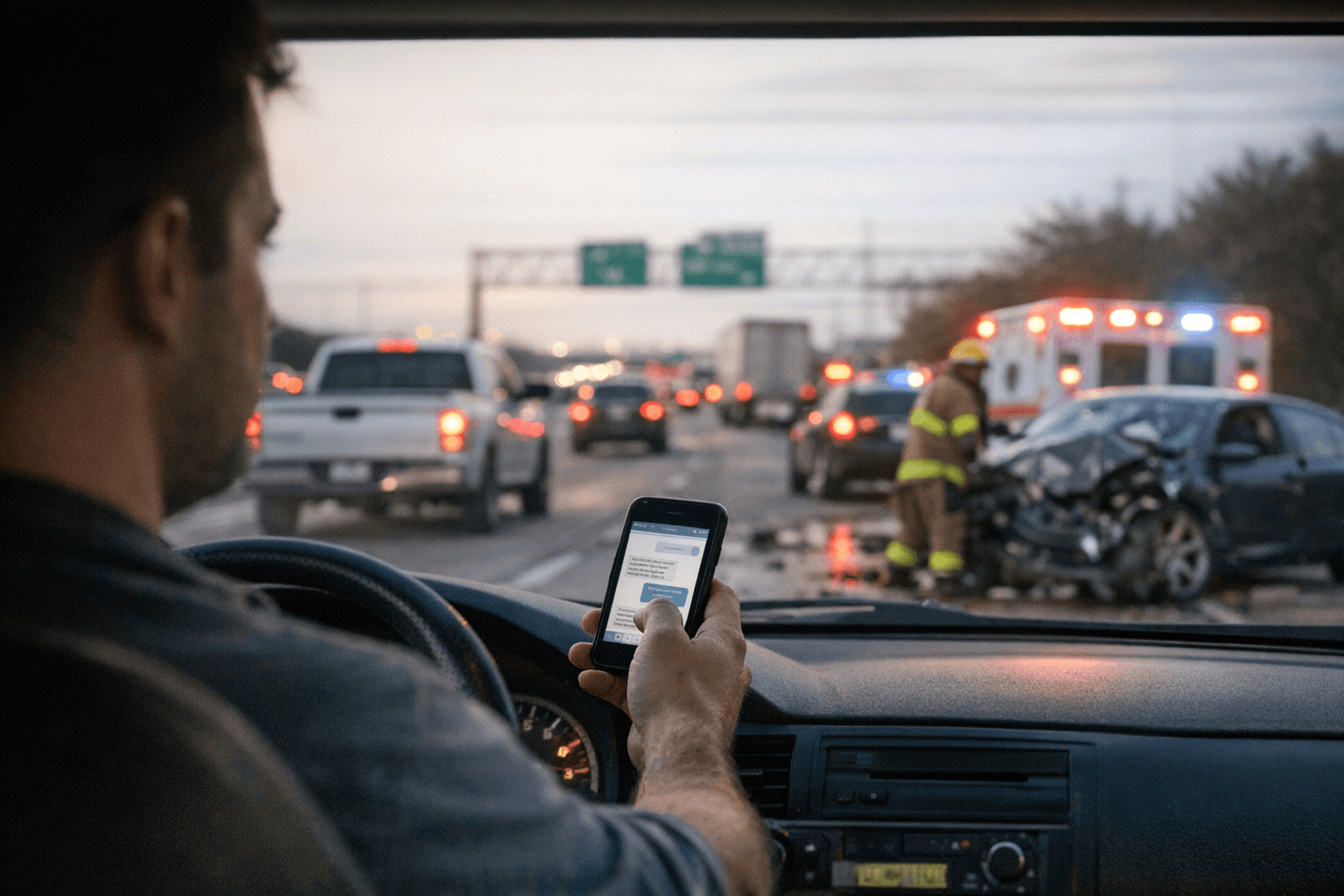
Four seconds. That's how long the average text message takes to read. At highway speed, those four seconds mean traveling the length of a football field without ever glancing at the road, and it's the central figure in the Texas Department of Transportation's annual "Talk. Text. Crash." campaign, which intensified across North Texas earlier this month.
The numbers driving the campaign are sobering. Distracted driving ranked as the second-most common factor in Texas traffic crashes last year, contributing to more than 86,000 incidents that killed 299 people and left another 2,437 with serious injuries statewide. No message, notification or playlist queue is the exception.
For Collin County, a region that has absorbed some of the heaviest population growth in the nation over the past decade, the push lands with particular urgency. McKinney, Frisco, Allen, Plano and surrounding cities have watched their road networks absorb thousands of new vehicles, pedestrians and cyclists, often along corridors designed for a quieter era. Spring compounds the exposure: warming temperatures bring residents into parks, onto trails and through school zones, adding more potential collision points to roads already stretched by growth.
The Texas Highway Patrol backed the awareness push with enforcement action. Operation CARE, a Crash Awareness and Reduction Effort run in coordination with national safety authorities, deployed troopers from April 6 through April 13 specifically targeting drivers caught texting, failing to move over for emergency vehicles, or otherwise distracted. Texas has prohibited reading, writing or sending a text while driving since September 2017, with fines reaching $200 per violation.
Municipalities across Collin County joined the effort by calling on residents to use hands-free technology, set navigation before leaving and treat behind-the-wheel multitasking as a zero-tolerance issue. School officials and parks departments coordinated alongside the campaign, emphasizing crosswalk visibility, school-zone compliance and helmet use for cyclists. Several cities pledged to amplify TxDOT materials on official social channels while ramping up local enforcement presence on key corridors.
The campaign also has a human story at its center. A Texas family lost two of their three children when a distracted driver struck their vehicle at 70 mph. That family partnered with TxDOT to put a name and a face to statistics that otherwise remain abstract tallies in a state report.
If the campaign shifts behavior on Collin County roads, local governments stand to reduce emergency-response costs and ease demand on regional trauma centers. If it does not, safety advocates have already framed the alternative: sustained infrastructure investment and engineering changes to roads where the consequences of a four-second lapse have proven, repeatedly, to be permanent.
This article was produced by Prism’s automated news system from verified source data, official records, and press releases, then run through automated quality and moderation checks before publishing. The system is built and supervised by the people who set the standards it runs under. Read our full AI policy.
Did this article answer your question?