Frisco hate post sparks debate over religion, diversity and zoning
A Frisco inclusion post spread fast, but the deeper fight is over mosques, zoning and who gets to define a rapidly changing city.
A simple image of children of different backgrounds holding hands and the words “hate has no home in Frisco” has become the latest flashpoint in a city already wrestling with questions of religion, diversity and who belongs. The post, shared by McKinney business owner and community group administrator Jared Tye, spread quickly through local Facebook groups and drew hundreds of reactions and comments, turning a message about coexistence into a broader test of civic trust across Collin County.
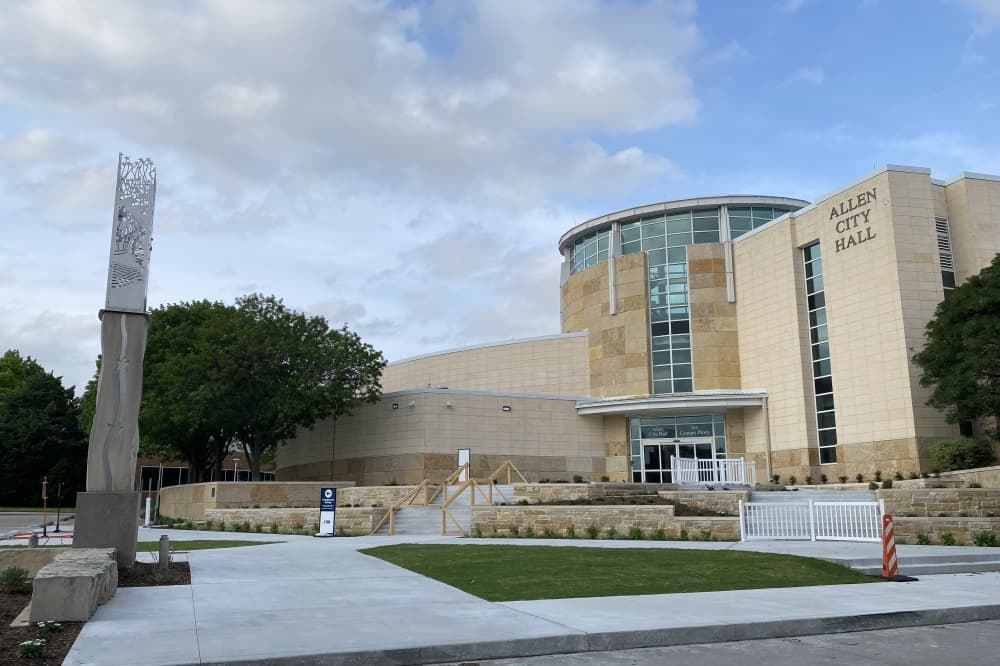
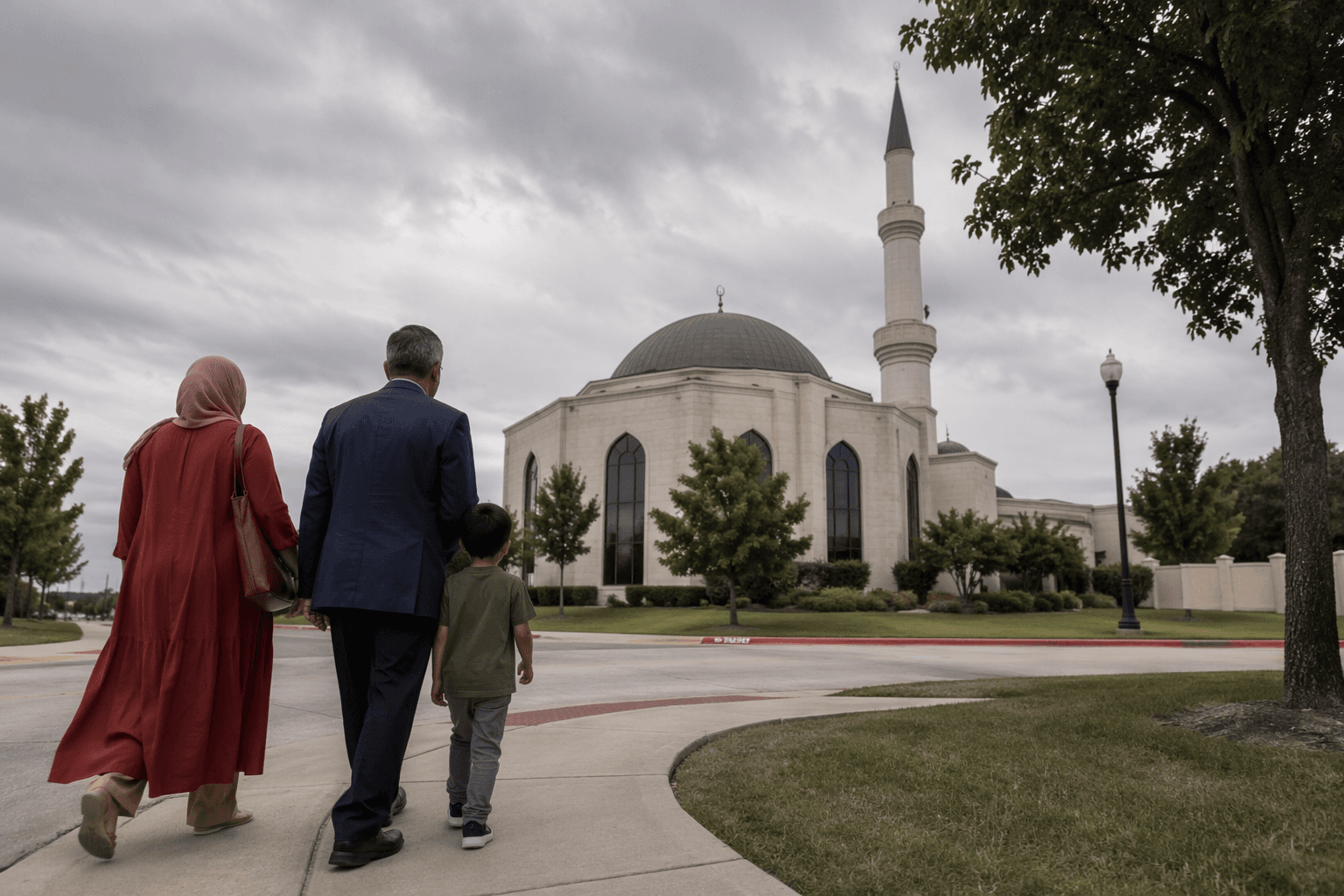
The dispute did not begin online. It sharpened during a nearly five-hour Frisco City Council meeting on May 19, when more than 50 speakers packed the chamber to weigh in on proposed religious facility-related development projects, including a Hindu temple-related project near Panther Creek Parkway and Lone Star Ranch Parkway. City officials said the council was not deciding whether religious institutions could exist in Frisco, but whether the proposals met existing zoning and development rules. Development Services Director Jonathan Orr said the uses were permitted if they met the required standards, while Mayor Jeff Cheney said the policymaking had been done “25 and 30 years ago.”
Tye said the image was meant to push back on suspicion with a Christian message of dignity and restraint. “It really is this simple. Prejudice is never a good thing,” he wrote in the original caption. He later said, “I am confident North Texas is bigger than this,” adding, “My faith teaches me that all are created equal and we are to love our neighbors.” Tye also warned against confusing respect with surrendering belief: “Treating someone with a basic level of human dignity does not mean you are converting religions.” He said, “America is a free country, and that freedom is not limited to just those who look and pray the way I do.”
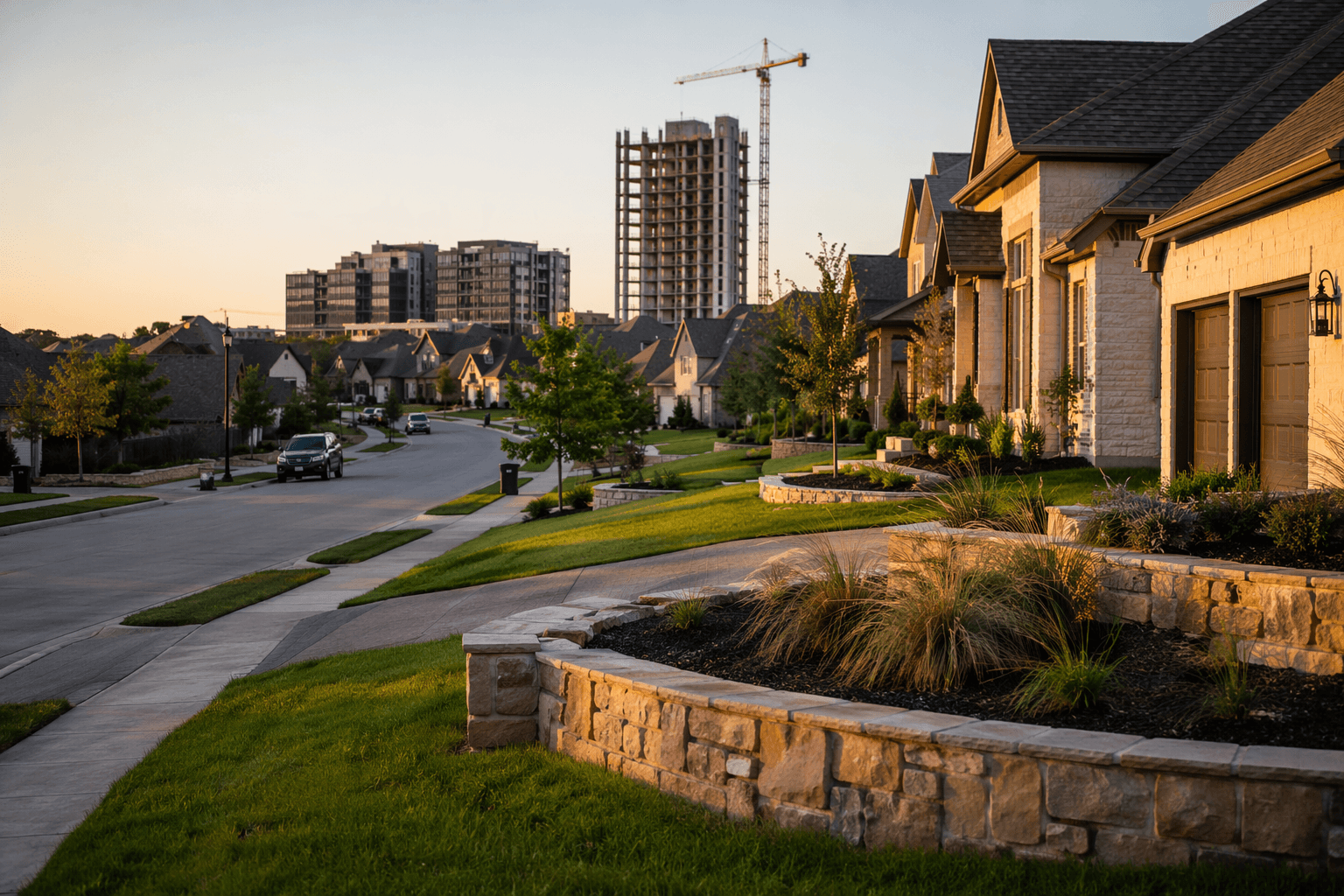
The argument lands in a city that has changed at extraordinary speed. Frisco grew from about 34,000 residents in 2000 to more than 230,000 today, and a city-released 2026 population overview said about 33% of residents are Asian, up from 26% in 2020 and 10% in 2010. The U.S. Census Bureau lists Frisco’s July 1, 2025 population estimate at 236,955, up from 200,509 in the 2020 census. CBS Texas reported city data showing Frisco is majority-minority, with White residents at 45.5% and Asian residents at 33.6%.
Cheney, first elected mayor in May 2017 and reelected in November 2023, has tried to frame the city’s diversity as part of Frisco’s civic identity, saying the work has been about “reach[ing] all four corners of this community and know[ing] every single resident by their need.” But after he said the Feb. 3, 2026 meeting was attended by “outside agitators,” the latest social-media firestorm showed how quickly zoning disputes, religious freedom and population change can bleed into neighborhood anxieties and local politics. For now, the post looks less like a one-off outrage cycle than another sign that Frisco’s growth is forcing older assumptions about community life to give way.
This article was produced by Prism’s automated news system from verified source data, official records, and press releases, then run through automated quality and moderation checks before publishing. The system is built and supervised by the people who set the standards it runs under. Read our full AI policy.
Know something we missed? Have a correction or additional information?
Submit a Tip