Frisco runoff pits growth, diversity visions for city’s future
Frisco’s runoff is now a referendum on growth, taxes and identity as the city heads toward June 13 voting.
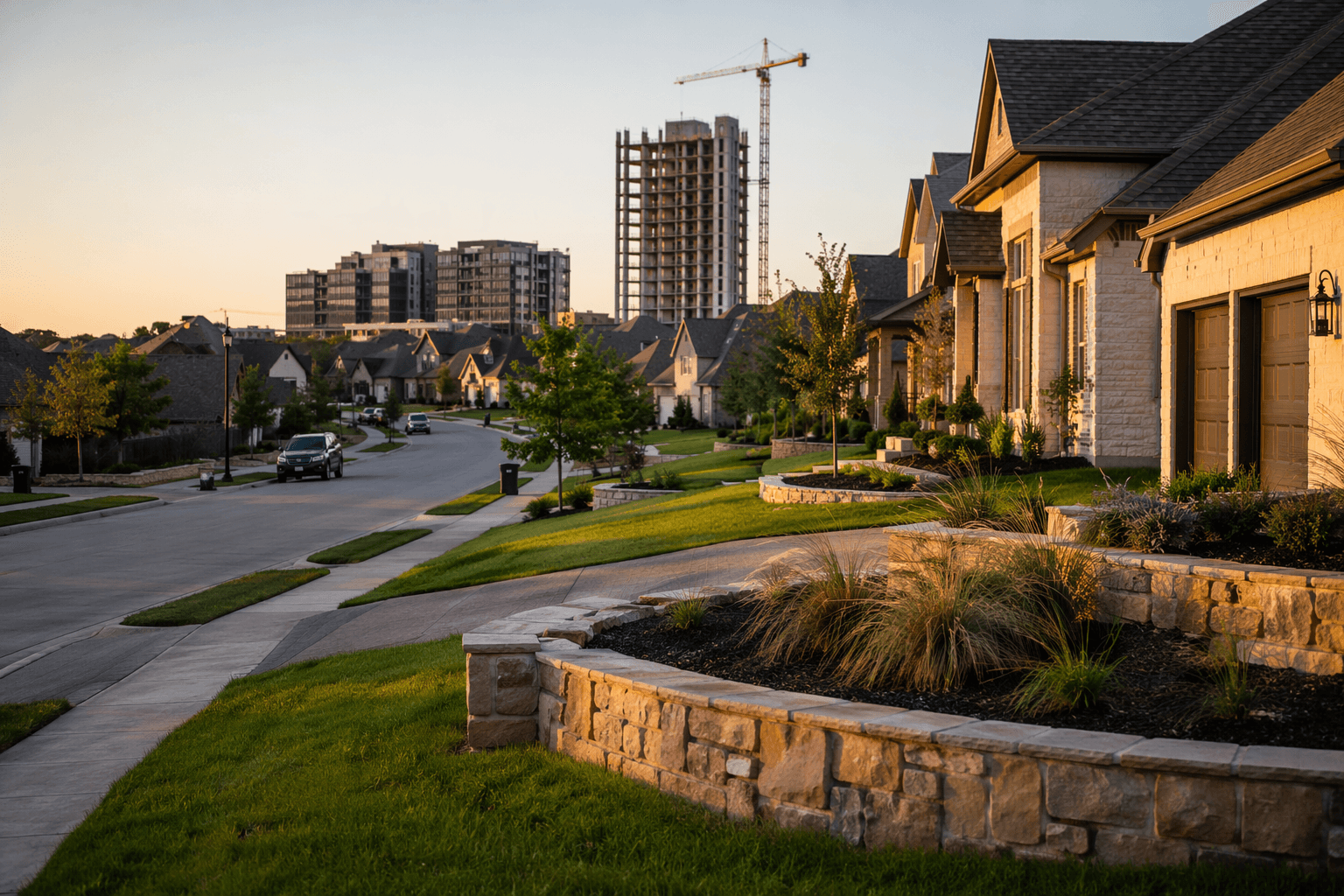
Frisco’s mayoral runoff has become a choice about how fast-growth will shape daily life in one of Collin County’s most watched cities. With early voting set for June 1-9 and Election Day on Saturday, June 13, voters will decide whether Rod Vilhauer or Mark Hill is better positioned to guide Frisco through rising congestion, higher expectations for city services and a sharper debate over who the city is becoming.
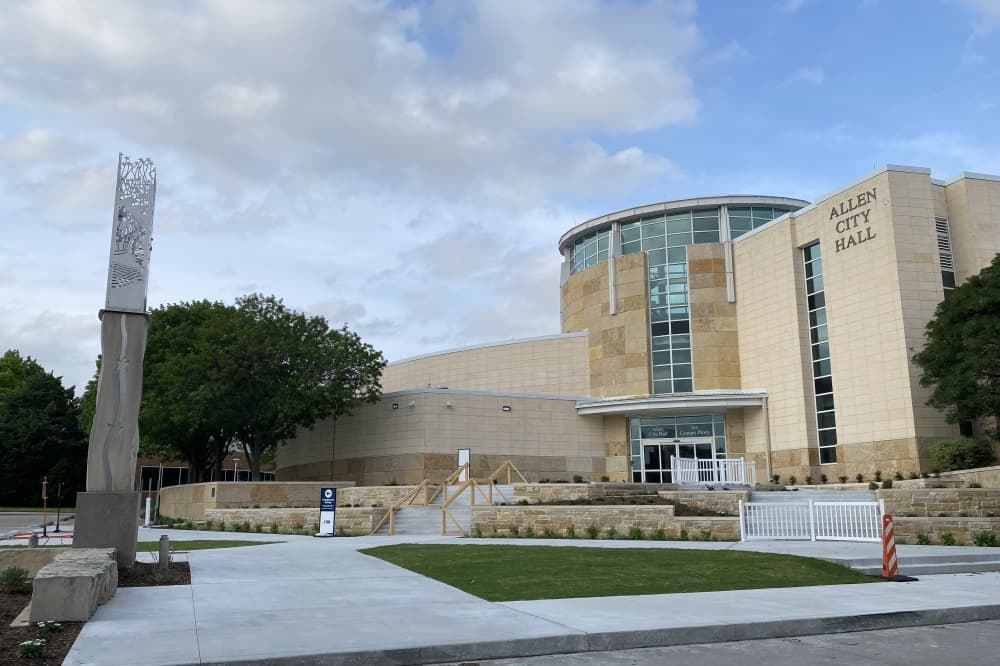
The two candidates bring different résumés to that question. Vilhauer is leaning on decades in Frisco and his background running a construction company. Hill is emphasizing his work as an attorney and his service on Frisco ISD and economic development boards. The race also lands at a moment of transition: Frisco will choose a mayor for the first time in 10 years, after the May 2 general election moved the contest into a runoff and the city council set its canvass for May 12 at 4 p.m.
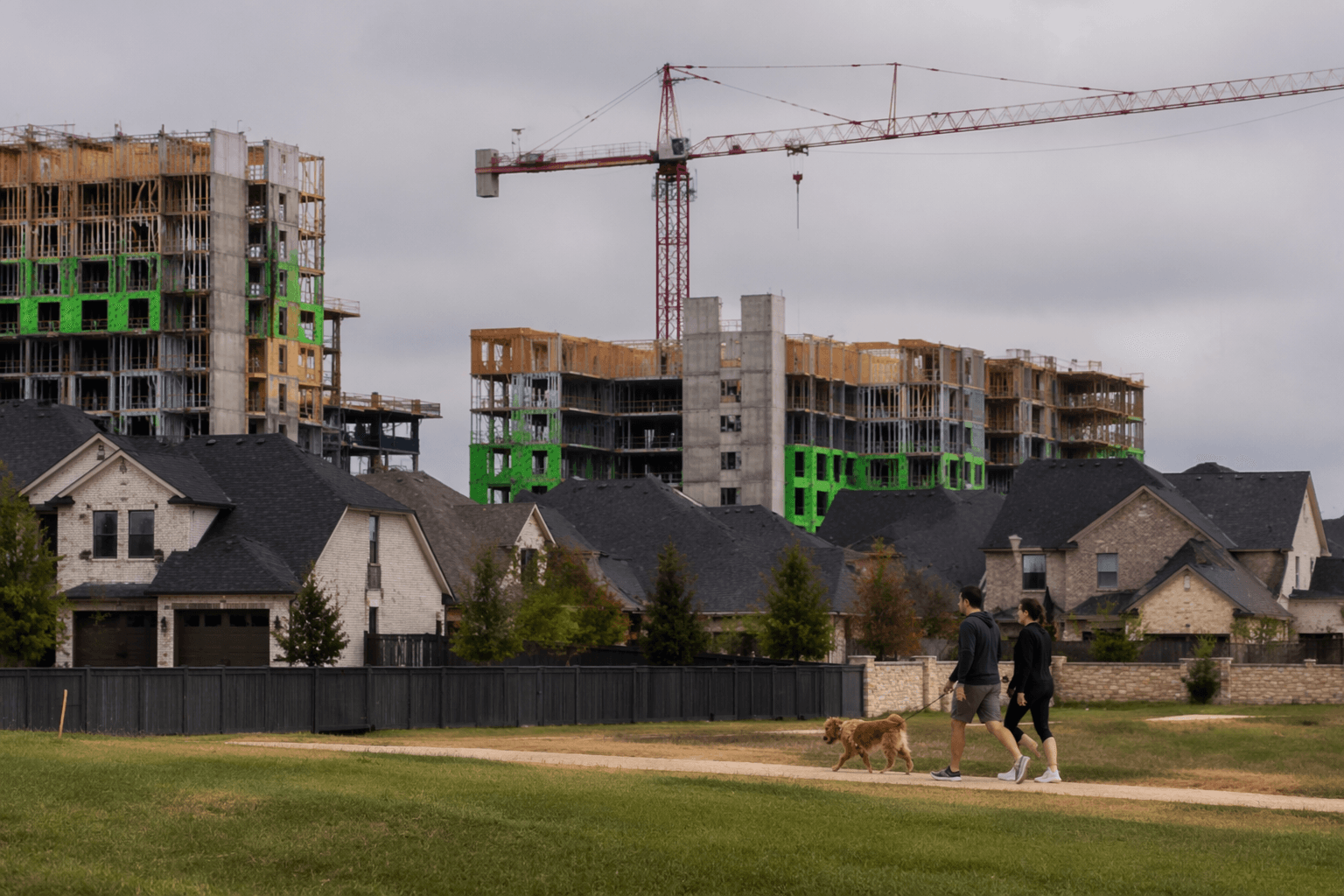
The stakes are bigger than one office. Frisco’s 2040 Comprehensive Plan, adopted in April 2025, describes a 69-square-mile city with just 13% of undeveloped land remaining. The planning process drew 20 CPAC meetings and input from more than 500 additional residents through open houses and online surveys, underscoring how much the city has been trying to prepare for its next stage instead of reacting after growth arrives.
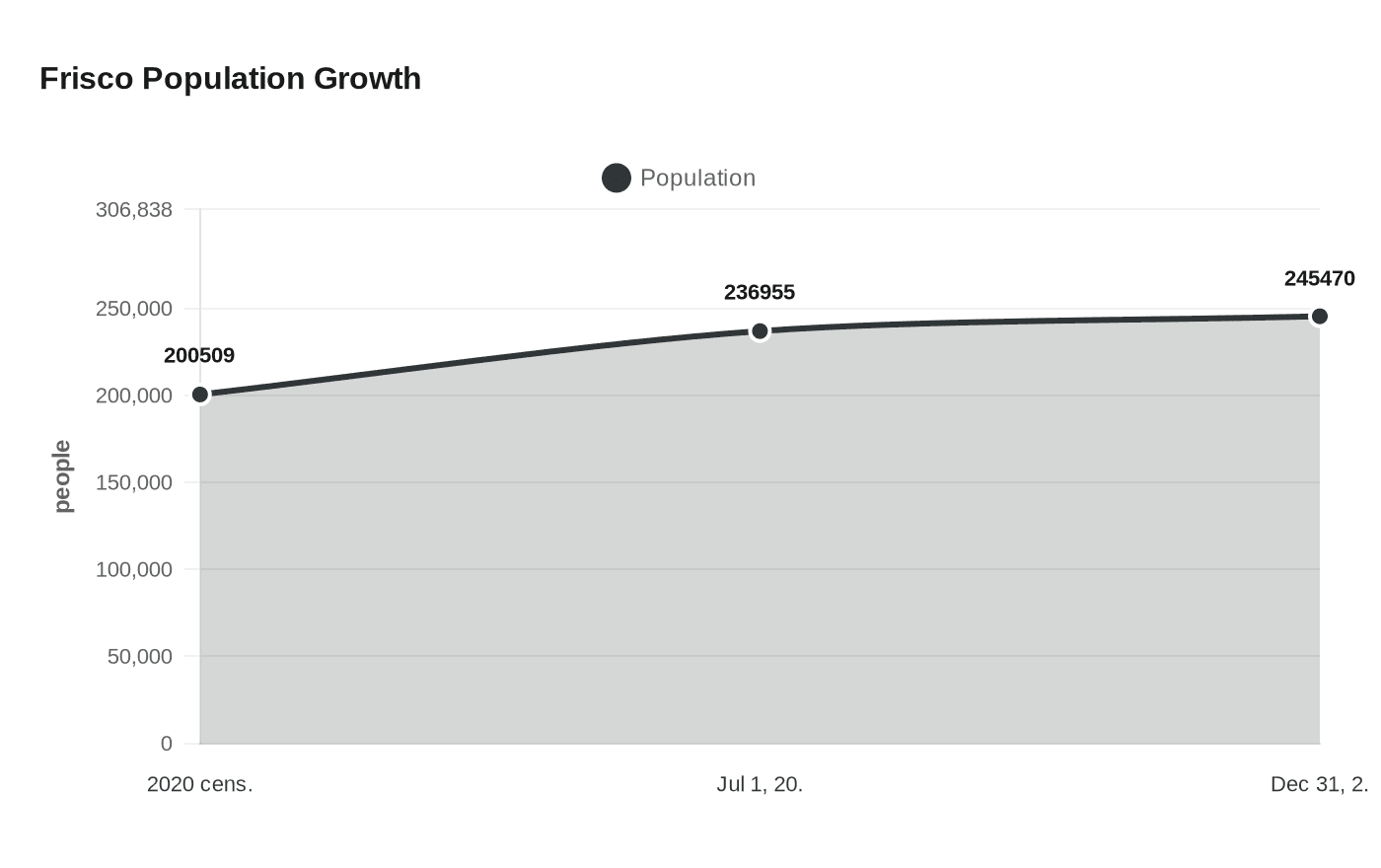
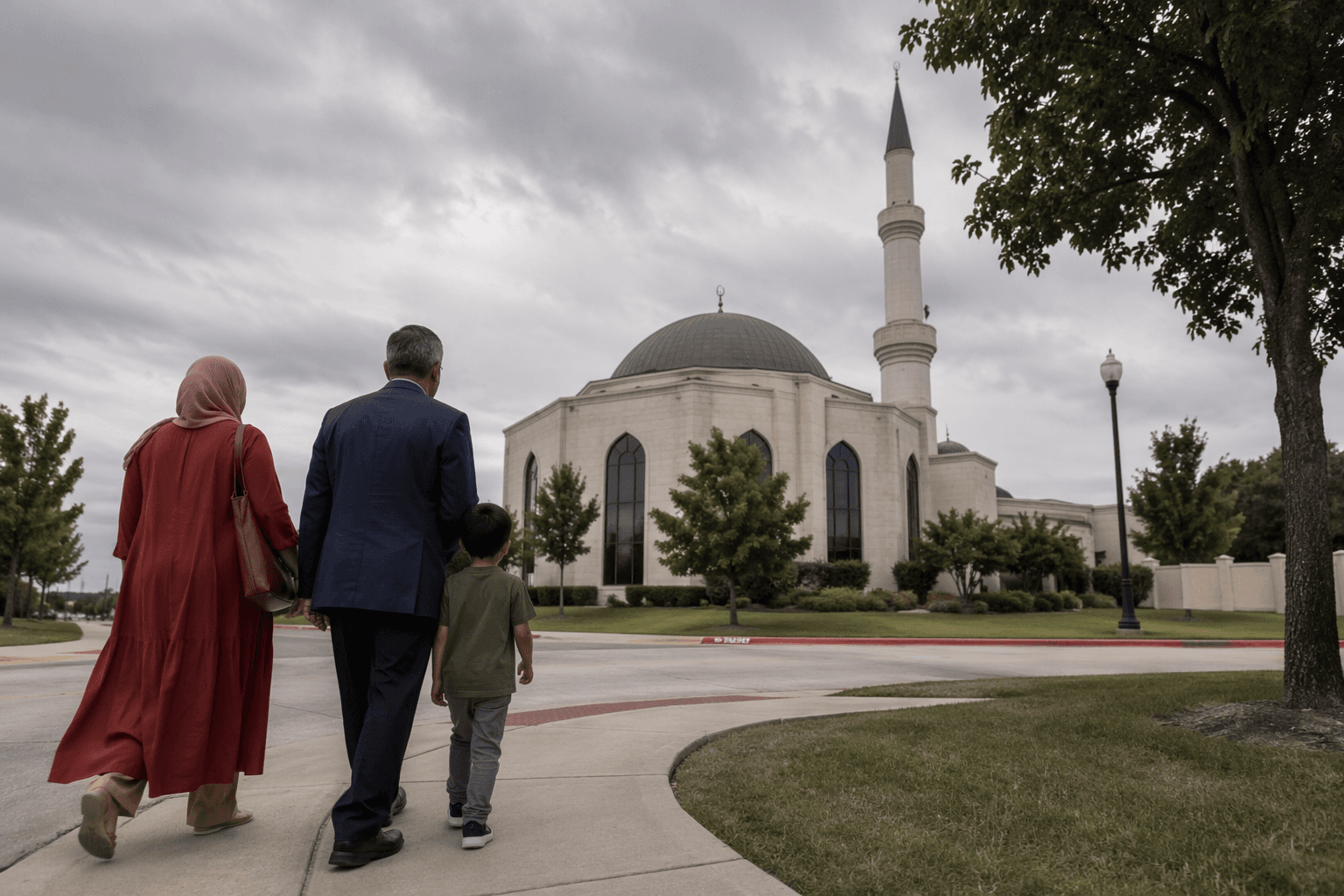
That growth is already visible in the numbers. The U.S. Census Bureau estimated Frisco’s population at 236,955 on July 1, 2025, up from 200,509 in the 2020 census. The city’s own estimate put the population at 245,470 as of Dec. 31, 2025. Frisco’s 2026 demographic sheet shows a city that is increasingly diverse, with residents listed as 28.1% Asian, 12.7% Hispanic or Latino, 9.1% Black and 48.3% white alone. City leaders created a Multicultural Committee in 2024 to advise council on cultural awareness and celebrations, a sign that the city’s identity conversation has moved inside City Hall.
Those pressures are colliding with taxes and service demands. Frisco’s FY26 property tax rate is $0.425517 per $100 of taxable assessed value, the same nominal rate as the prior year, but the city said the adopted rate effectively raised maintenance and operations taxes by 3.50% and added about $9.37 to the bill on a $100,000 home. In Frisco, that kind of math now sits beside the larger question of whether the city can keep its appeal while absorbing more residents, more traffic and more development.
The city’s 2024 National Community Survey, based on responses from 225 residents, also showed how much local leaders are trying to measure livability, with categories covering mobility, community design, safety, education, arts and culture, and inclusivity and engagement. That survey, along with the runoff itself, points to a city at a crossroads: still growing fast, but now debating how to grow without fraying the community fabric that made it one of North Texas’ most closely watched suburbs.
This article was produced by Prism’s automated news system from verified source data, official records, and press releases, then run through automated quality and moderation checks before publishing. The system is built and supervised by the people who set the standards it runs under. Read our full AI policy.
Know something we missed? Have a correction or additional information?
Submit a Tip