Frisco ISD projects balanced budget, possible 2 percent raises
Frisco ISD says it can balance next year’s budget and still consider 2% raises, even as revenue falls by nearly $20 million.
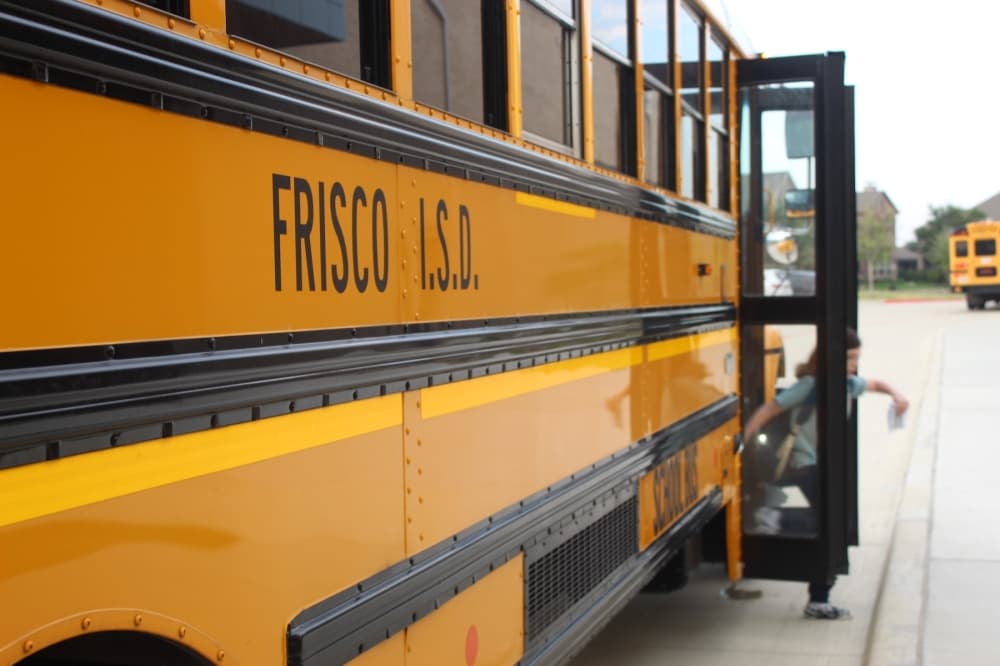
Frisco ISD is trying to hold the line on pay without slipping back into deficit planning. District leaders told trustees at a May 7 budget workshop that next year’s plan could stay balanced even with a 2% raise for eligible teachers and staff, a test of whether the district can protect classroom staffing without pushing harder choices into the future.
The district said its broader 2026-27 working budget now shows about $651.5 million in revenue available for appropriation, down about $23.5 million from the prior year’s adopted budget. In a separate projection, Frisco ISD said it expects about $752 million in operating revenue for fiscal year 2026-27, compared with roughly $771.69 million in the current year. Administrators said enrollment efforts such as Access Frisco and Frisco FLEX are helping slow student loss and blunt the impact of declining revenue.

At the same workshop, district officials said Frisco ISD continued to operate leaner than nine similar Texas districts, especially in staffing and administrative costs. The compensation package under discussion totals about $11.2 million and would include a 2% pay increase for eligible staff, capped at $2,000 for professionals in central administration. It would also raise special-education paraprofessional pay by 25 cents an hour and increase starting teacher pay from $62,000 to $64,000.

The budget picture improved sharply over the spring. Frisco ISD said its projected 2026-27 deficit fell from $28.6 million in January to about $2.1 million by April 23 after $6.4 million in central department efficiencies, $2.1 million in Tax Increment Reinvestment Zone funds and other cost-saving steps. District leaders said no layoffs were needed and that remaining staffing reductions could be handled through attrition and restructuring.
That progress follows a 2025-26 operating budget that brought in $771.69 million in revenue and $762.68 million in expenses, leaving a $9 million surplus after three straight years of deficits. It also builds on a long-running funding problem that has made raises hard to finance: Frisco ISD has said about 95% of spendable revenue flows through the state formula, funding is tied to average daily attendance rather than enrollment, and attendance has slipped from 96.5% before 2020 to roughly 94% to 95%. Chief Finance and Strategy Officer Kimberly Smith also noted in 2024 that the basic allotment had been $6,160 since 2019, underscoring how little the state formula has kept pace with costs.
For Frisco families, the immediate question is whether the district’s balanced-budget claim can preserve teacher pay, special education support and classroom quality without forcing larger cuts later. For now, the numbers suggest Frisco ISD is buying time, not escaping the pressure.
This article was produced by Prism’s automated news system from verified source data, official records, and press releases, then run through automated quality and moderation checks before publishing. The system is built and supervised by the people who set the standards it runs under. Read our full AI policy.
Did this article answer your question?