Plano ISD students design space research patches, experiments for flight
Nearly 1,000 Plano ISD students entered a NASA-linked patch contest, and one Academy High experiment will ride a flight studying how plants behave in microgravity.
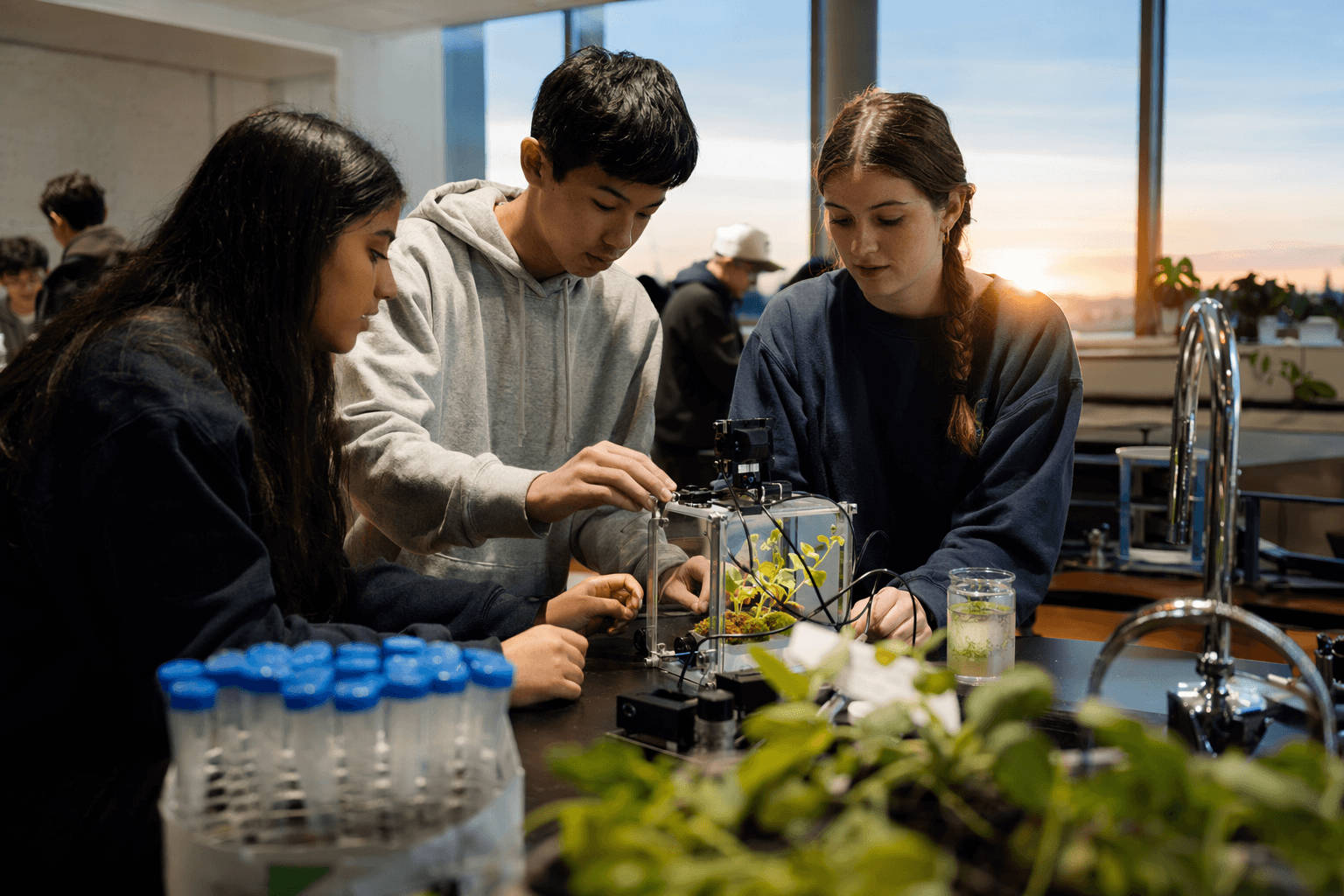
Nearly 1,000 Plano ISD students turned a NASA-linked spaceflight project into a districtwide art-and-science competition, giving Collin County families a close look at how classroom work can connect to real research beyond Earth.
The district said about 750 elementary students and 250 secondary students submitted designs for the Mission 19 Student Spaceflight Experiments Program patch contest. Noah Walker, a fifth-grade student at Barksdale Elementary School, won the elementary division, while Julius Willems, a sophomore at Clark High School, took the secondary honor. Plano ISD said 17 staff members served on the judging panel, underscoring how broad the response was across the district.
The winning artwork will represent Plano ISD’s role in the national Student Spaceflight Experiments Program, which pairs student design with microgravity research. Plano ISD tied the patches to the NASA SpaceX CRS-34 launch, which was scheduled for an estimated 6:16 p.m. Central time on May 12, 2026, linking student creativity to an active spaceflight rather than a hypothetical assignment.
The contest also showed how the district is blending STEAM education with career preparation. Art Coordinator Colin McGrane and Career and Technical Education Coordinator Dan Blier helped organize the project, bringing together design, engineering and academic competition in a way that reaches students well beyond a single specialty track. For Plano families, the scale matters: this was not a small club exercise, but a districtwide effort that drew hundreds of elementary and secondary students into a space-related challenge.
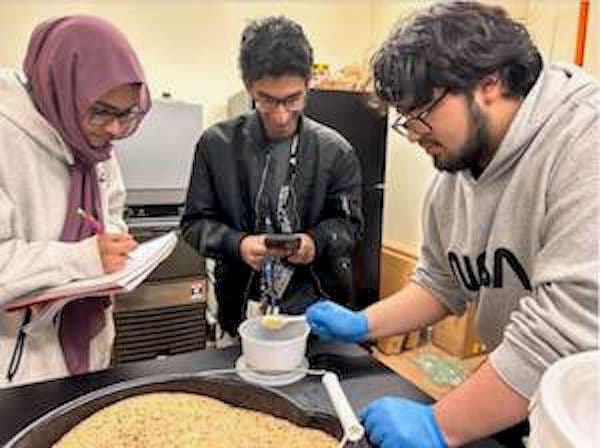
At Academy High School, the project went beyond patches. Students there are preparing experiments for flight under the school’s interdisciplinary, project-based learning model for grades 9-12, which focuses on solving real-world STEAM problems. One selected experiment examines how microgravity affects capillary action inside jade plant cells, a line of inquiry tied to how plants might grow in space and support future habitats beyond Earth. Another Academy High project, led by freshman Aiyana Xiong, earned honorable mention for research into the effect of microgravity on lignin, a structural component important for plant stability and growth.
The Student Spaceflight Experiments Program said that through its first 22 flight opportunities, 169,300 students in grades 5 through 16 have taken part in microgravity experiment design and proposal writing. The program said it has received 32,604 student proposals and selected 446 experiments for flight through Mission 20, placing Plano ISD’s Mission 19 work inside a much larger pipeline of student space science.
This article was produced by Prism’s automated news system from verified source data, official records, and press releases, then run through automated quality and moderation checks before publishing. The system is built and supervised by the people who set the standards it runs under. Read our full AI policy.
Did this article answer your question?