Heard Museum in McKinney - Nature Access Boosts Collin County Health
The Heard Natural Science Museum & Wildlife Sanctuary in McKinney is a 289-acre nonprofit nature preserve that draws more than 100,000 visitors each year and serves as a major cultural and recreational resource for Collin County. Its trails, wetlands, educational programs and volunteer opportunities provide broad public-health benefits while highlighting gaps in equitable access that local policymakers should address.
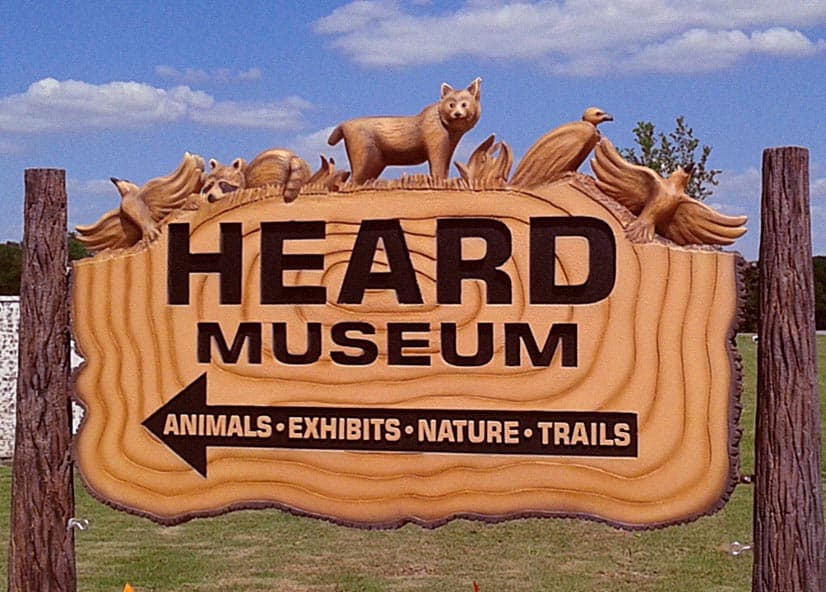
The Heard Natural Science Museum & Wildlife Sanctuary in McKinney is more than a museum. Spread across 289 acres, the nonprofit preserve offers trails, wetlands, a native plant garden, a butterfly house, live-animal exhibits and both indoor and outdoor educational programming. With more than 100,000 visitors annually, the Heard functions as a community classroom, a place for physical activity and a refuge for families, school groups and volunteers across Collin County.
Access to green space like the Heard carries measurable public-health implications. Regular outdoor activity supports cardiovascular fitness, mental health and childhood development while nature-based learning fosters environmental literacy and stewardship. The Heard’s school field trips and seasonal family programs connect children to science and conservation at an age when formative habits are established. For older adults and those seeking stress relief, trails and wetlands provide low-cost options for walking and social connection that can reduce isolation and support well-being.
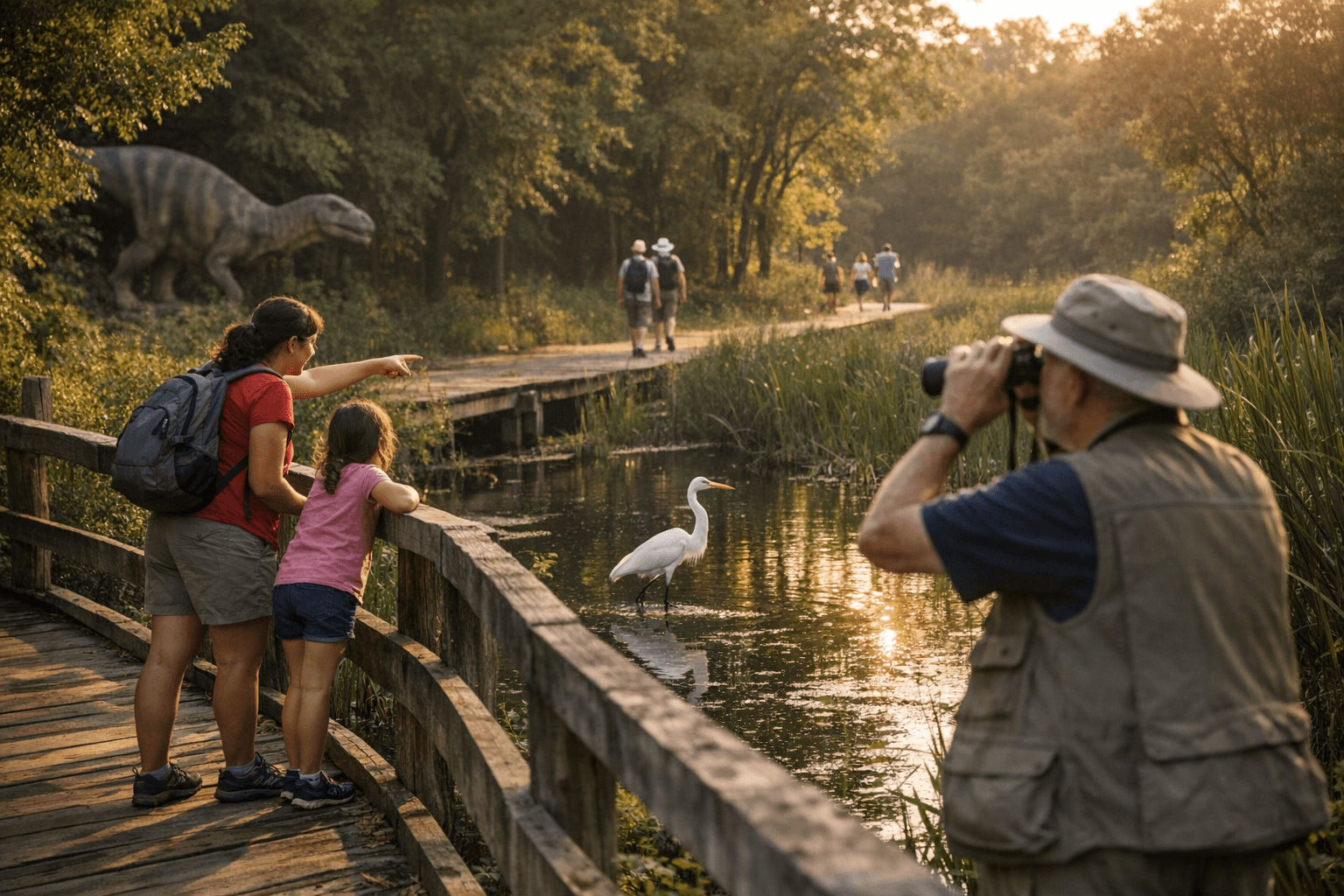
Despite these benefits, systemic barriers limit who can use the Heard. Transportation, program fees, limited outreach to under-resourced neighborhoods and scheduling that conflicts with working families constrain equitable access. Nonprofit museums that serve as de facto public health assets often rely on a mix of admissions, donations and grants, leaving them vulnerable to funding shifts and making consistent, affordable access uneven across the county.
Public policy choices can strengthen the Heard’s role in Collin County health equity. Local governments and school districts can expand partnerships to subsidize field trips, underwrite transportation, and integrate nature-based programming into public health and education initiatives. Healthcare systems and community clinics might partner with the Heard on “park prescription” programs that refer patients to supervised outdoor activities. Increased county funding or targeted grants could sustain free or reduced-cost days, expand multilingual educational materials, and support volunteer training to better reach diverse communities.
As Collin County grows, preserving and expanding access to places like the Heard is a public-health investment as much as a cultural one. The museum’s combination of natural habitat, science education and volunteer opportunities offers tangible benefits for physical and mental health, environmental learning and community cohesion. Policymakers, school leaders and health providers who view nature access as part of the social determinants of health can help ensure these benefits reach all residents.
Know something we missed? Have a correction or additional information?
Submit a Tip