Historic McKinney Courthouse Revitalized as Performing Arts Anchor
The Old Collin County Courthouse, completed in 1876 and now home to the McKinney Performing Arts Center, remains a key cultural and economic asset in downtown McKinney. Its adaptive reuse preserves architectural heritage while driving foot traffic for nearby businesses, supporting tourism, and anchoring downtown events that matter to Collin County residents.
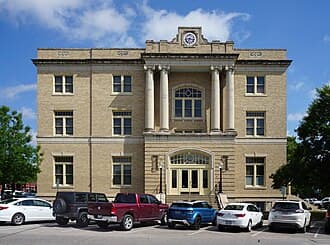
The red-brick building that has stood on the courthouse square since 1876 continues to shape downtown McKinney’s economic and cultural life. Originally built in the Second Empire style and later renovated with Neoclassical features, the Old Collin County Courthouse was adaptively reused as the McKinney Performing Arts Center. That reuse has kept the building active as a venue for performances, festivals, and community gatherings, making it a frequent stop on local walking tours and a fixture in heritage materials for Collin County.
Adaptive reuse of the courthouse converts fixed historic capital into recurring economic activity. Performing arts programming brings audiences into the downtown core on evenings and weekends, extending commercial activity beyond daytime business hours. For a county where downtown vitality supports small restaurants, retail shops, and service providers, that extended foot traffic translates into incremental sales and a stronger local sales-tax base. The courthouse’s role in tourism and events also helps diversify the local economy by attracting visitors who spend on dining, lodging, and entertainment.
From a public policy perspective, preserving and repurposing the courthouse offers efficiency compared with demolition and new construction. Historic buildings often qualify for preservation incentives such as local and state tax credits, grants, and favorable zoning treatments that can lower upfront costs for rehabilitation. Those tools help leverage private investment and reduce the fiscal burden on local government while maintaining the property tax contributions that come from active downtown uses.
Long-term trends favor assets like the courthouse. Across many metropolitan areas, arts and culture venues act as anchors for downtown revitalization, boosting nearby property values and encouraging complementary private investment. Maintaining the courthouse as both a performance venue and a heritage landmark supports placemaking goals that attract residents and businesses seeking vibrant urban amenities.

There are trade-offs that local leaders and residents should weigh. Historic structures require ongoing maintenance and periodic capital upgrades to meet accessibility, safety, and technical needs for contemporary productions. Transparent planning for capital reserves and targeted public-private partnerships can mitigate these costs and sustain the building’s economic contribution.
For Collin County residents, the courthouse is more than an architectural landmark. It is an economic engine that underwrites downtown vibrancy, supports small businesses, and preserves a tangible link to local history. Continued investment in programming, maintenance, and supportive policy will determine whether the courthouse remains a durable anchor for McKinney’s downtown economy.
Know something we missed? Have a correction or additional information?
Submit a Tip