How Collin County Residents Can Fight Hunger Through Volunteering and Donations
Collin County accounts for 17% of the food insecure in North Texas, and local pantries from Plano to Wylie to Prosper need volunteers, shelf-stable goods, and dollars right now.
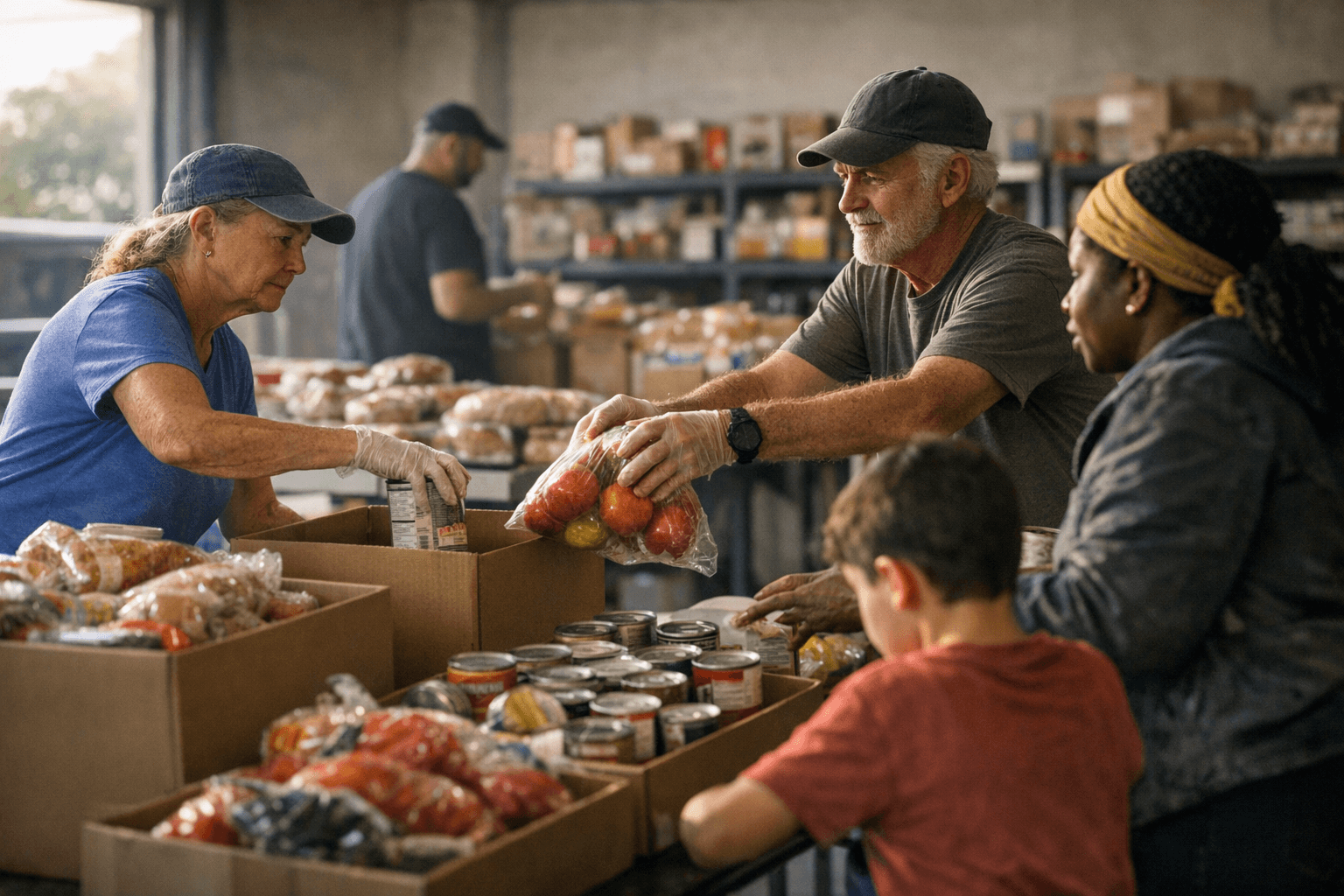
Texas now leads the nation in food insecurity, and Collin County carries more of that weight than most residents realize. According to Feeding America's Map the Meal Gap study, approximately 744,370 people across the North Texas Food Bank's 13-county service area were food insecure in 2023, a number that climbed 12% in just one year. Collin County alone accounts for 17% of that regional hunger population. More than half of those facing hunger in this area live below the SNAP income threshold, and over a third of food-insecure Texans are children. The county's rapid population growth has expanded both its prosperity and its need, and the organizations working the front lines cannot meet demand without community help.
Where the Need Lives: Your Town, Your Pantry
The North Texas Food Bank (NTFB) distributes food through more than 500 partner agencies across 13 counties, making it the fourth-largest hunger-relief service area in the United States. Within Collin County, several partner pantries anchor the local response, each serving a distinct geography.
Plano: Minnie's Food Pantry, located at 661 18th St., is one of the largest food pantries in Collin County and operates Wednesday through Saturday, 8:30 a.m. to 11:30 a.m. Named after the late Dr. Minnie Hawthorne-Ewing, a Plano community leader, it serves families with dignity and extends outreach to senior citizens, veterans, and day laborers beyond its physical location. Minnie's current priority needs shift with inventory, so check its website before dropping off a donation.
Wylie: Amazing Grace Food Pantry is the NTFB partner anchor for Wylie-area residents. The pantry operates through the NTFB network and coordinates both client distribution and volunteer scheduling locally.
Prosper and Celina: Neighbors Nourishing Neighbors (N3) serves the fast-growing northern corridor of Collin County. N3 publishes distribution hours, appointment requirements, and contact information on its website; walk-in drop-offs without prior coordination can create logistical burdens, so reaching out first is essential.
Everywhere else: NTFB maintains a live Collin County partners page on its website listing every pantry, shelter, and meal program in the county. If you live in Allen, McKinney, Frisco, Fairview, or any other Collin County city, that page is the fastest way to find the agency closest to your zip code.
Volunteer Roles by Time Commitment
Not every act of service requires a standing weekly commitment. Collin County hunger organizations need help across a wide range of schedules.
- Two to four hours, one time: NTFB's distribution center runs pack-and-sort shifts where volunteers box food for distribution. These require no prior experience and are ideal for a one-time team outing or a first-time volunteer.
- Recurring half-day commitment: Mobile pantry operations bring food directly into neighborhoods with high unmet need. Volunteers at these events assist with setup, distribution logistics, and breakdown. NTFB coordinates these shifts through its volunteer portal.
- Weekly or monthly local pantry shifts: Pantries like Minnie's, Amazing Grace, and N3 rely on regular volunteers to receive donations, sort inventory, and assist clients during distribution. Contact the pantry directly to learn which recurring shifts need coverage.
- Students and young volunteers: NTFB's Junior Kernel program is designed specifically for high school and college-age volunteers who can make a sustained commitment. It provides structured service-learning and is an opportunity for students building community-service hours or college applications.
- Administrative and fundraising support: Not all essential work happens at a sorting table. NTFB and partner pantries also need help with data entry, event coordination, communications, and donor outreach. If physical labor is not an option, ask about behind-the-scenes roles.
How to Sign Up: Step by Step
1. Decide which type of role fits your schedule and physical ability using the categories above.
2. For regional volunteering, visit the NTFB volunteer portal at ntfb.org, create an account, and browse available shifts by date and location.
3. For local pantry volunteering, go directly to the pantry's contact page. N3, for example, lists appointment requirements and shift availability for prospective volunteers on its site.
4. If your chosen role requires an orientation or food-safety training, complete it before your first shift. Some positions, particularly those involving client interaction, also require a background check.
The entire sign-up process for an NTFB shift can be completed in under 15 minutes online.
Help in 15 Minutes
If you have a quarter-hour right now, here is what you can do before this tab closes:
- Visit ntfb.org and create your volunteer account. Browse open shifts for the coming two weeks and register for one.
- Go to your closest pantry's website and check its current donation wish list. Minnie's, N3, and Amazing Grace each publish prioritized needs online. Match what is in your pantry cabinet to what is actually wanted rather than guessing.
- If the pantry has an online giving link, a $25 donation to NTFB translates into significant bulk purchasing power because NTFB buys food at scale. Financial gifts consistently go further than physical goods for the same dollar value.
- Check whether your employer offers matching gifts. A matched $50 contribution effectively doubles the impact of a lunchtime decision.
Donation Do's and Don'ts
The difference between a helpful donation and a logistical headache is coordination.
- Donate shelf-stable items: canned proteins (tuna, chicken, beans), peanut butter, whole-grain pasta, canned vegetables, and shelf-stable milk.
- Check expiration dates before donating. Expired food cannot be distributed and creates extra sorting work.
- Confirm drop-off windows with the pantry in advance. Many operate by appointment only.
- Give financially when you can. NTFB's bulk purchasing power means your money often acquires more food than an equivalent grocery run.
Do:
- Drop off perishables or cold-chain items without prior arrangement. Most pantries cannot accept refrigerated or frozen goods through unscheduled donations.
- Assume your food drive haul will be accepted without a conversation. Organizations like N3 list accepted items on their contact page; a quick check prevents wasted effort.
- Show up outside posted hours expecting to leave a donation. Unscheduled drop-offs can disrupt distribution schedules and fall outside safe food-handling windows.
Don't:
For Businesses and Community Organizations
Corporate and organizational involvement goes well beyond a one-time food drive. NTFB's corporate giving team works with businesses on multi-layered partnerships: workplace food drives, sponsored mobile pantry events, coordinated team volunteer days, and matching-gift programs. For larger contributions, N3 and other partner pantries schedule dedicated intake windows for bulk donations and need volunteers specifically to receive and sort those large shipments. Faith communities and school PTAs, including Allen ISD's PTA, have run book drives and donation events in coordination with local pantries, proving that any organized group has infrastructure to activate.
If your business has not yet connected with NTFB's corporate giving team, the place to start is the NTFB website, where partnership packages are outlined for organizations of any size.
Serving with Dignity: What Every Volunteer Should Know
Client confidentiality is not optional. Pantry clients are neighbors navigating circumstances they did not choose, and they deserve the same privacy and respect that would be expected in any other service setting. Do not photograph or identify clients, discuss case details outside the pantry, or treat the experience as content for social media.
Food safety is equally non-negotiable. Cold-chain items need refrigeration from the moment they are purchased to the moment they are distributed; that chain cannot be broken during a donation drive. NTFB and its partner agencies operate under food-safety guidelines that protect both clients and volunteers.
Finally, appointment-based distribution is not a bureaucratic formality. It exists so that every family served receives adequate food, enough time with volunteers, and a dignified experience. Coordinating before you show up, whether as a volunteer or a donor, makes that possible.
For anyone uncertain where to start, NTFB's volunteer portal and the Collin County partners page are live, updated resources that require no phone call and no prior connection to get into a shift. The county's hunger numbers are rising. The organizations doing this work are ready for help.
This article was produced by Prism’s automated news system from verified source data, official records, and press releases, then run through automated quality and moderation checks before publishing. The system is built and supervised by the people who set the standards it runs under. Read our full AI policy.
Did this article answer your question?