ICE Dallas deports Frisco arrest to Mexico in murder case
ICE Dallas sent David Vargas-Rivera back to Mexico after his Frisco arrest, moving a suspected cartel hitman into murder proceedings there.
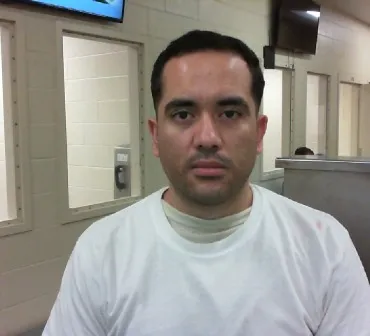
ICE Dallas deported David “El Ocra” Vargas-Rivera to Mexico on July 14, ending a North Texas arrest that began in Frisco in January. The Mexican national was identified as an alleged Santa Rosa de Lima Cartel hitman and oil thief, and he was sent back to face murder charges in Mexico.
Vargas-Rivera was arrested by ICE Dallas on January 12, then held until federal officers transferred him to Mexican authorities. Reports tied him to multiple homicides in Mexico and said he had already been arrested in Canada and Colombia before he surfaced in Collin County.
The Frisco arrest puts a suburban North Texas city into the middle of a cross-border case that moved from alleged cartel violence in Mexico to federal immigration enforcement in Texas. The handoff also shows how a suspect with a transnational record can pass through multiple countries, including Canada and Colombia, before ending up in ICE custody in Dallas.

Local coverage and federal posts described Vargas-Rivera as a high-level oil thief linked to the Santa Rosa de Lima Cartel, a group with a long reach beyond one country’s border. Yahoo-hosted coverage framed him as a hitman affiliated with a terrorist cartel, while KLIF said he was deported to face justice in Mexico.
For Frisco and the rest of Collin County, the case is a reminder that major cartel-linked enforcement actions can begin in ordinary suburban settings, far from the border. In this case, the local piece of the story was the arrest in Frisco, but the destination was Mexico, where Vargas-Rivera was wanted on violent-crime allegations.
This article was produced by Prism’s automated news system from verified source data, official records, and press releases, then run through automated quality and moderation checks before publishing. The system is built and supervised by the people who set the standards it runs under. Read our full AI policy.
Did this article answer your question?