Judge allows East Plano Islamic Center funeral rites lawsuit to proceed
A federal judge let EPIC's funeral rites lawsuit move forward, finding no evidence the Plano mosque planned Sharia law. The ruling keeps Texas’ reach over religious land use in play.
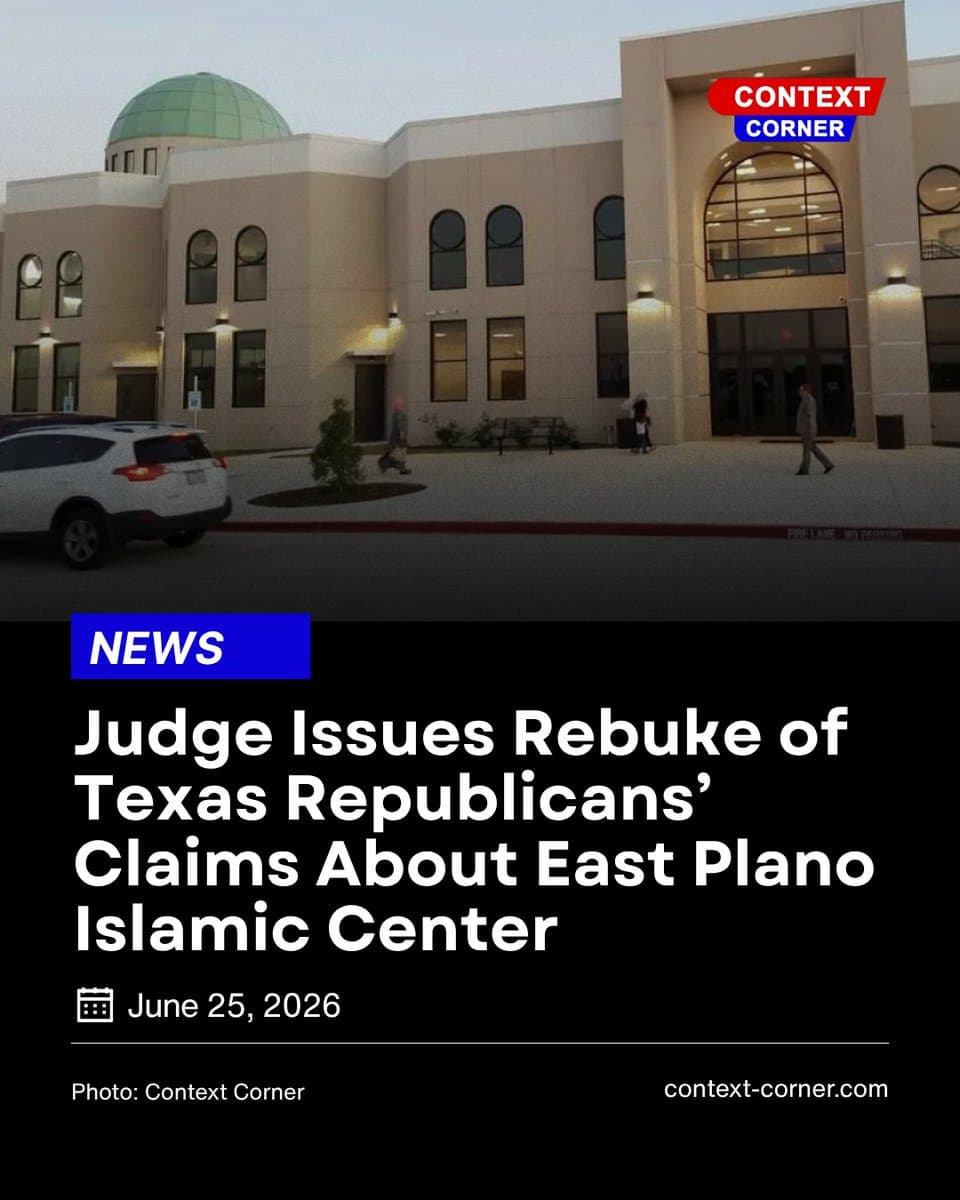
A federal judge in the Western District of Texas let the East Plano Islamic Center’s lawsuit against state officials move forward on June 25. Judge David Ezra rejected the state’s bid to dismiss the case and wrote that no evidence had been presented that EPIC intended to impose Sharia law on Texans.
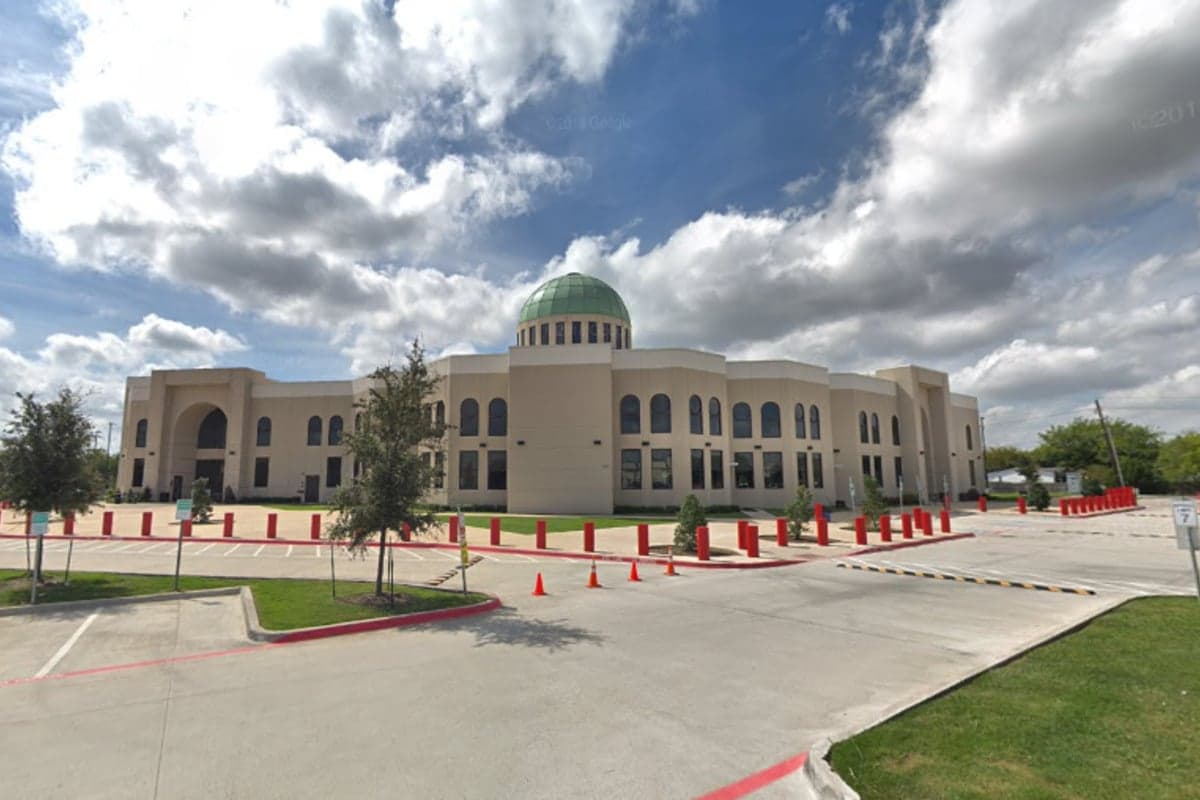
The lawsuit grew out of a March 2025 cease-and-desist order from the Texas Funeral Service Commission that barred EPIC from carrying out traditional Islamic funeral rites, including cleansing, shrouding and prayer over bodies, on the theory that the mosque was operating as an unlicensed funeral home. EPIC sued in federal court in July 2025, arguing that the order amounted to an unconstitutional burden on religious exercise. The mosque said it works with licensed funeral homes and cemeteries instead of running a funeral home itself.

By the time EPIC filed suit, at least 11 congregants had been forced to receive funeral rites elsewhere, away from their home mosque. Islamic law generally calls for prompt burial, ideally within 24 hours. The commission later said EPIC could continue some burial-rite assistance while its investigation remained open.
EPIC later amended its lawsuit to add former commission chair Kristin Tips after text messages and videos surfaced that showed anti-Muslim messages shared during the agency’s investigation.

EPIC’s broader 402-acre development, now called The Meadow, sits in unincorporated Collin and Hunt counties near Josephine, about 40 miles northeast of Dallas. Texas officials have repeatedly accused the project of imposing Sharia law and creating a no-go zone for non-Muslims, accusations the developer denies. In April 2026, a Travis County judge ordered the Texas Workforce Commission to honor an agreement it had made with Community Capital Partners, the developer behind the project, and the U.S. Department of Justice previously closed a similar probe after the developer said it would comply with Fair Housing Act requirements.
This article was produced by Prism’s automated news system from verified source data, official records, and press releases, then run through automated quality and moderation checks before publishing. The system is built and supervised by the people who set the standards it runs under. Read our full AI policy.
Did this article answer your question?