McKinney aims to expand AED network after cardiac arrest gains
McKinney's cardiac arrest survival rate climbed from 10% to 47%, and city leaders now want 400-plus residents carrying AEDs into neighborhoods.
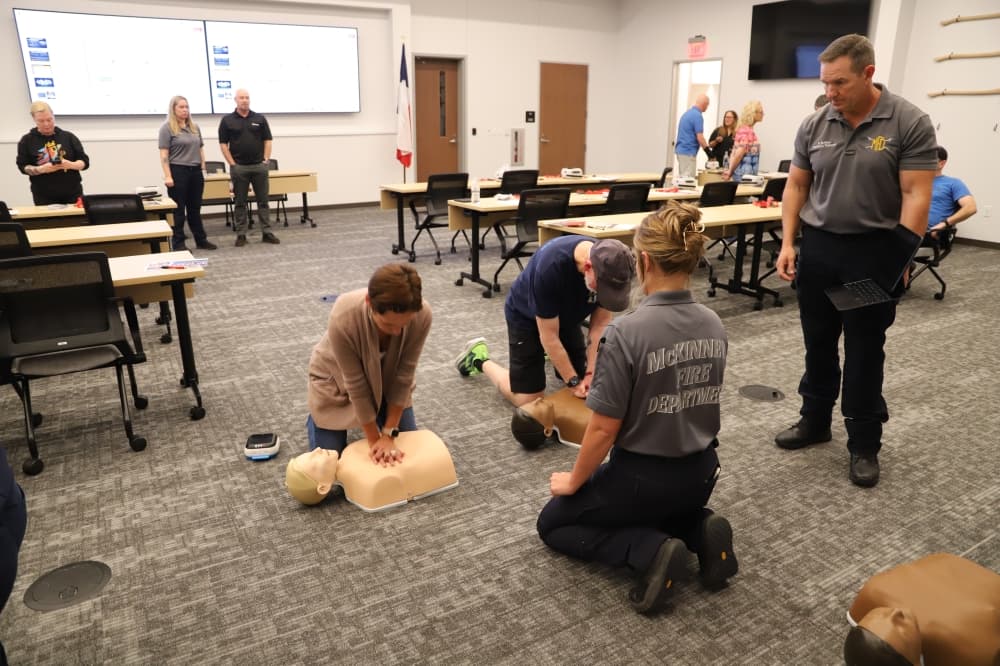
McKinney fire officials put the city’s cardiac arrest survival rate at 10% in 2023 and 47% after the department paired police response with a growing AED network. The department wants to push that work into neighborhoods, with more than 400 defibrillators placed in the hands of CPR-trained residents over the next five years.
The next phase of the Neighborhood Heroes program puts trained citizens within roughly a half-mile of where they are located, extending coverage beyond the public buildings that already have AEDs in place, including recreation centers, parks and public libraries. The department has already distributed 12 AEDs to participating citizens after they completed training.
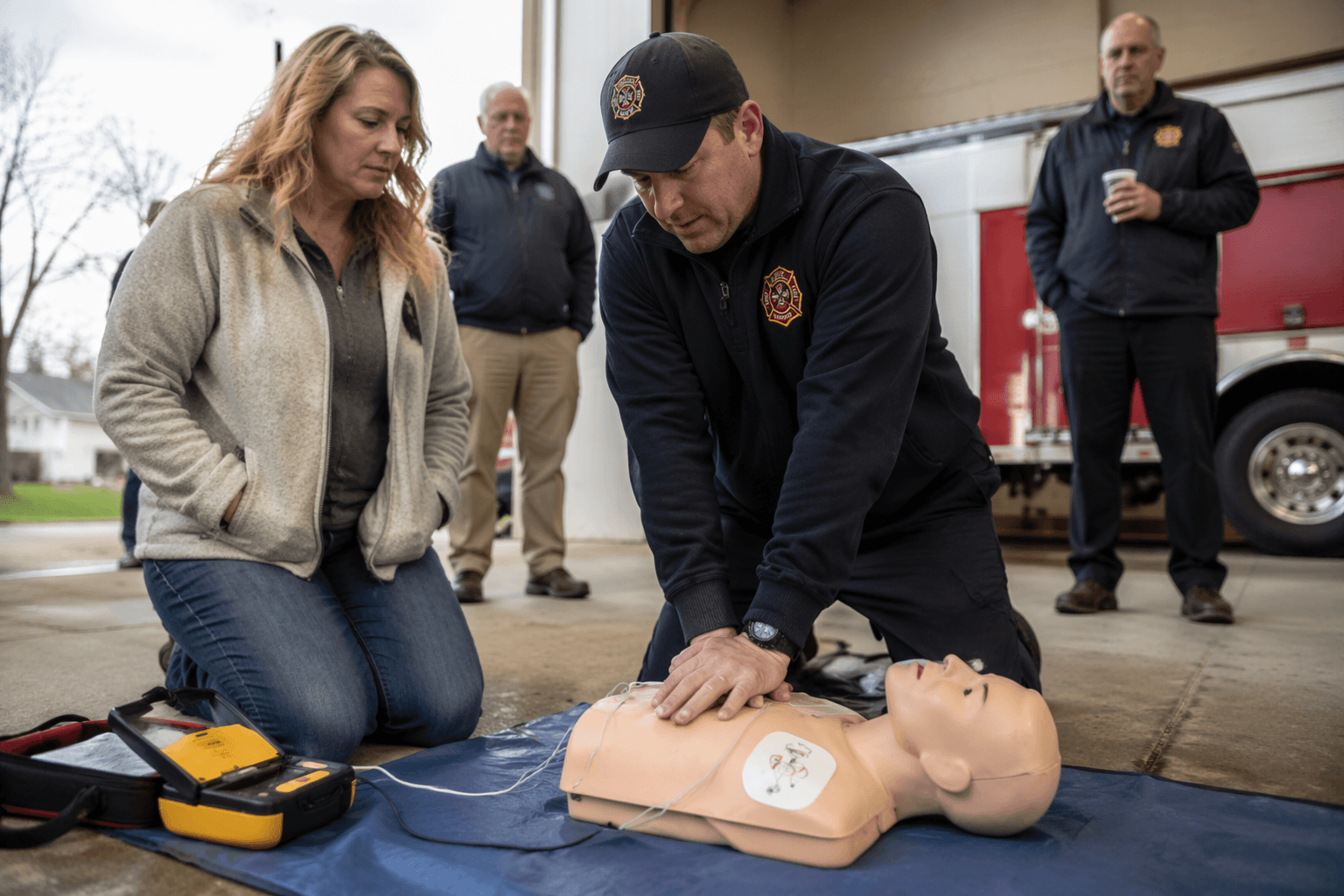
Battalion Chief Ben Jones: "The first four minutes are the critical window." If a bystander starts CPR immediately and an AED reaches the patient in that span, the chance of survival rises to well above 60% (Battalion Chief Ben Jones). McKinney is pushing to become a 4-Minute City, where no one in the city would be more than four minutes from a defibrillator.

Roughly 90% of cardiac arrests happen inside the home, where public AEDs are not accessible (McKinney firefighter and paramedic Chris Muscle). Under the city’s Neighborhood Heroes rules, participants must be 18 or older, CPR trained, and eligible for a free Ready to React hands-only CPR class before receiving an AED.
This article was produced by Prism’s automated news system from verified source data, official records, and press releases, then run through automated quality and moderation checks before publishing. The system is built and supervised by the people who set the standards it runs under. Read our full AI policy.
Did this article answer your question?