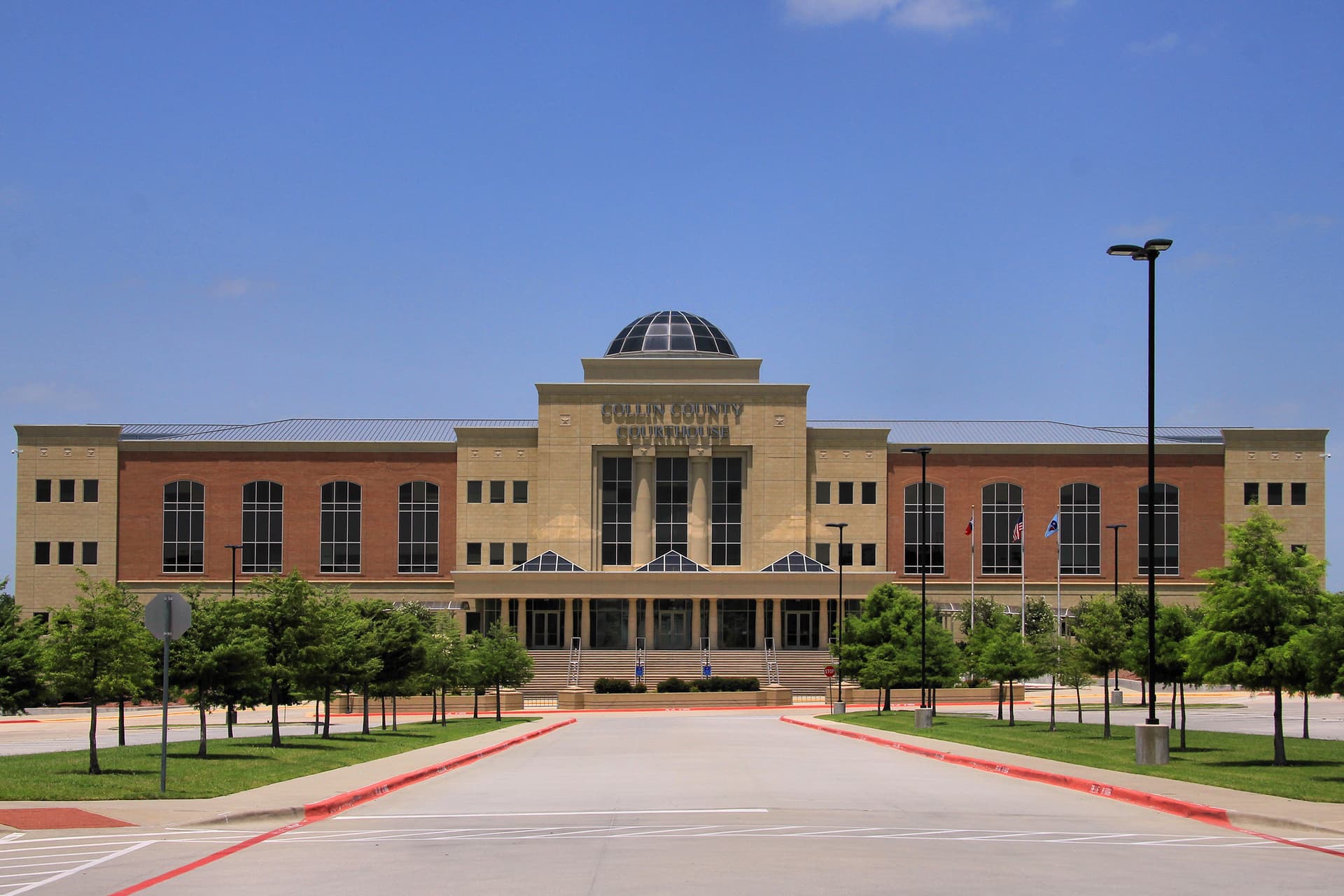
McKinney council weighs major decisions on airport expansion for passenger flights
McKinney’s airport is no longer theoretical: the terminal is rising, an airline is committed, and the next council calls will shape traffic, noise and growth.
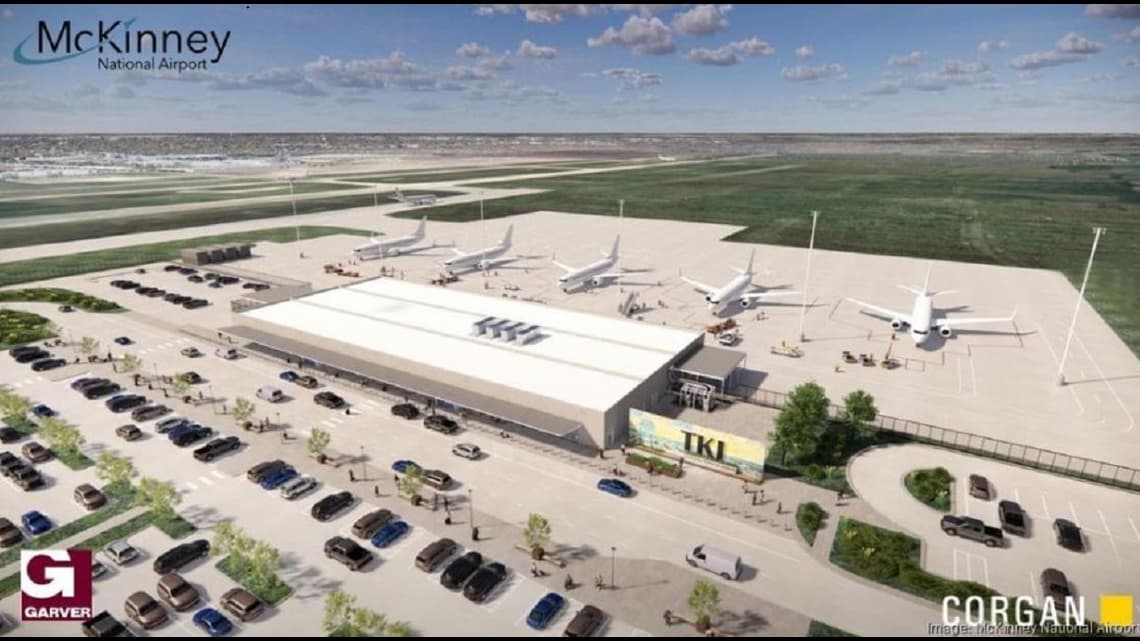
McKinney’s airport push has moved past the argument over whether commercial flights should ever come here and into the harder question of what that change will mean for daily life in Collin County. At McKinney National Airport, the terminal reached vertical construction in December 2025, interior walls and finishes were underway, and paving of the parking lot, entry and exit ramps and aircraft apron was nearing completion. Taxiway C construction began in February 2026, and the city says the commercial terminal is expected to be finished in November 2026.
That timeline matters because the project is no longer a paper plan. McKinney approved a pre-construction contract with Swinerton Builders on Feb. 18, 2026, after moving through the funding and contracting steps needed to keep the passenger terminal, support facilities and roadway work on schedule. City officials also approved a $14.8 million Texas Department of Transportation grant agreement in November 2025 tied to airport infrastructure already under construction. Earlier descriptions put the expansion at about $72 million.
The first airline commitment is already in place. Avelo Airlines is the first carrier to sign on for service at McKinney National Airport, and the city says Avelo will announce its launch date and the nonstop destinations it will serve a few months before the terminal opens. If those plans hold, McKinney would become the third commercial airport in the Dallas-Fort Worth metroplex, alongside DFW International Airport and Dallas Love Field.
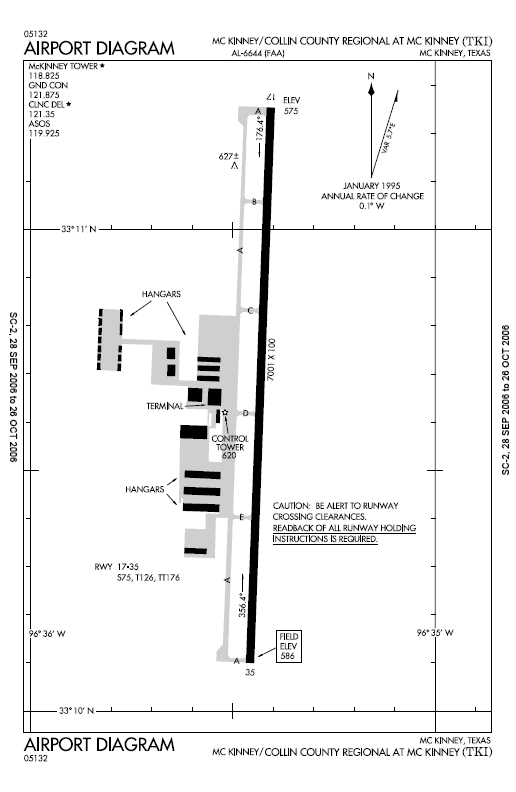
That is the quality-of-life tradeoff now facing households in McKinney and nearby communities. Supporters say commercial service could make travel easier for families and businesses, bring jobs and strengthen the city’s role as a transportation and commerce hub. The downside is more immediate for the neighborhoods that will absorb the change: traffic on already busy roads, aircraft noise, pressure on local infrastructure and uncertainty about how a passenger airport could affect property values and the city’s identity over time.
The political history shows why the decision is still being watched closely. McKinney voters rejected a $200 million airport bond proposal in May 2023, and earlier expansion plans were turned down in 2015. Even with those setbacks, the airport has kept advancing through council approvals, construction milestones and an airline deal that make commercial service a real possibility rather than a distant idea.
This article was produced by Prism’s automated news system from verified source data, official records, and press releases, then run through automated quality and moderation checks before publishing. The system is built and supervised by the people who set the standards it runs under. Read our full AI policy.
Did this article answer your question?