McKinney expands AED network with $450,000 Heart Hospital donation
McKinney approved a $450,000 donation to add 190 AEDs, betting a four-minute response could save lives at parks, schools and sports fields.
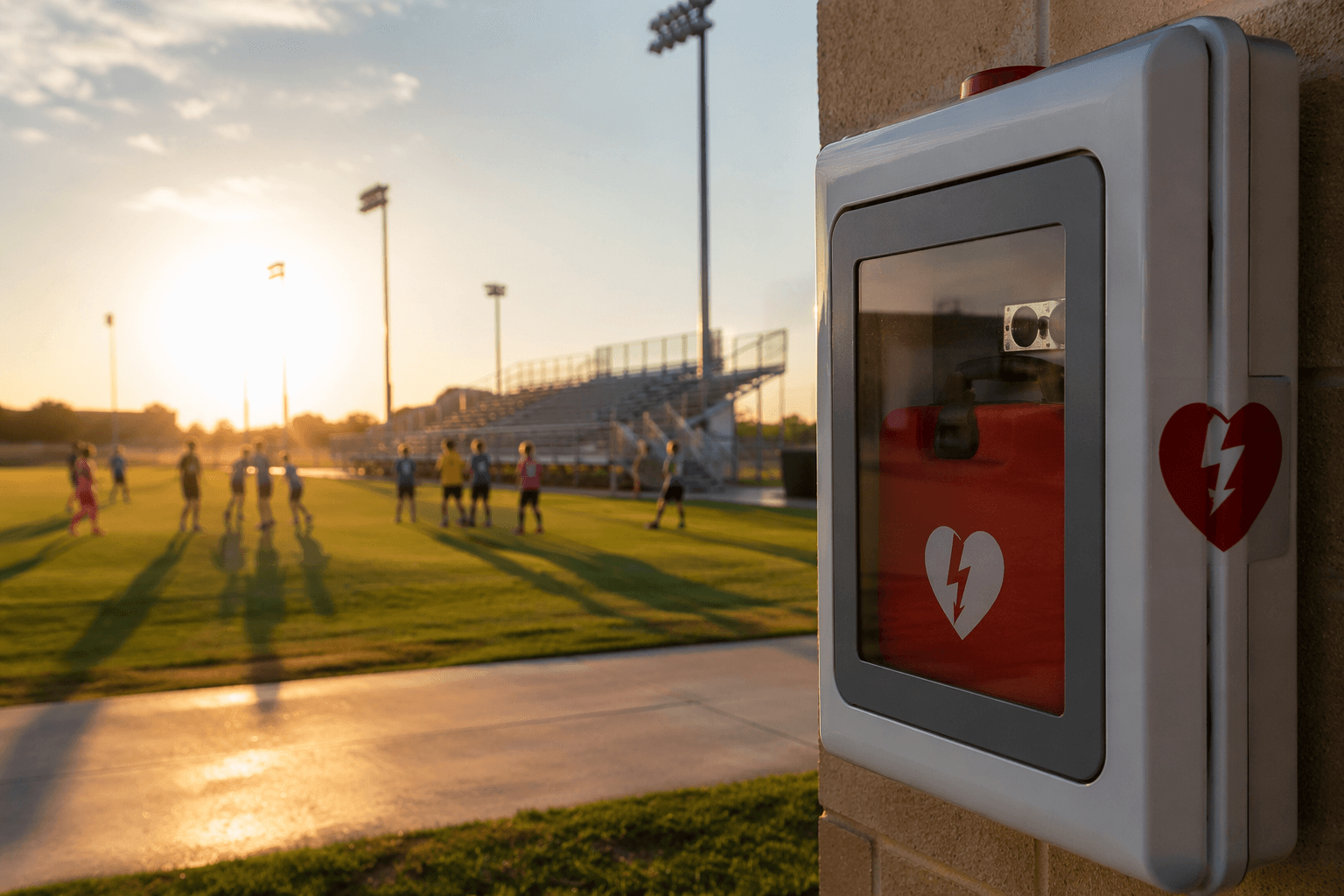
McKinney turned a $450,000 hospital donation into a neighborhood-by-neighborhood public-safety test during its June 2 meeting, betting that 190 more automated external defibrillators and a volunteer network can reach a collapsed child, coach or grandparent within four minutes.
The agreement with Baylor Scott & White The Heart Hospital - Plano names the hospital a platinum sponsor and gives the city and McKinney Fire Department five years to buy and maintain the devices. City leaders are using the money to push deeper into the Neighborhood Heroes model, which is meant to place AEDs with trained residents instead of leaving every cardiac emergency to a single ambulance arrival.
The stakes are high. McKinney says its cardiac survival rate has climbed from 10% to 47%, and the city says every minute an AED is delayed cuts survivability by 10%. Under the Neighborhood Heroes program, participants must be 18 or older, CPR trained and willing to receive alerts within one mile of their location through cellular- and Wi-Fi-enabled devices tied to emergency communications centers. The city also uses the GoodSAM app and GPS to alert nearby volunteers when a cardiac emergency is reported.
McKinney has already been building the system into its day-to-day response. The city has placed Avive Connect AEDs in every McKinney police vehicle, and its Quick Drop dispatch process sorts cardiac distress calls into four types while keeping dispatch times routinely under 60 seconds. Local reporting has said the city grew from roughly 80 AEDs in 2023 to about 200 by May 2025, while police vehicles went from about 10 AEDs to 85.
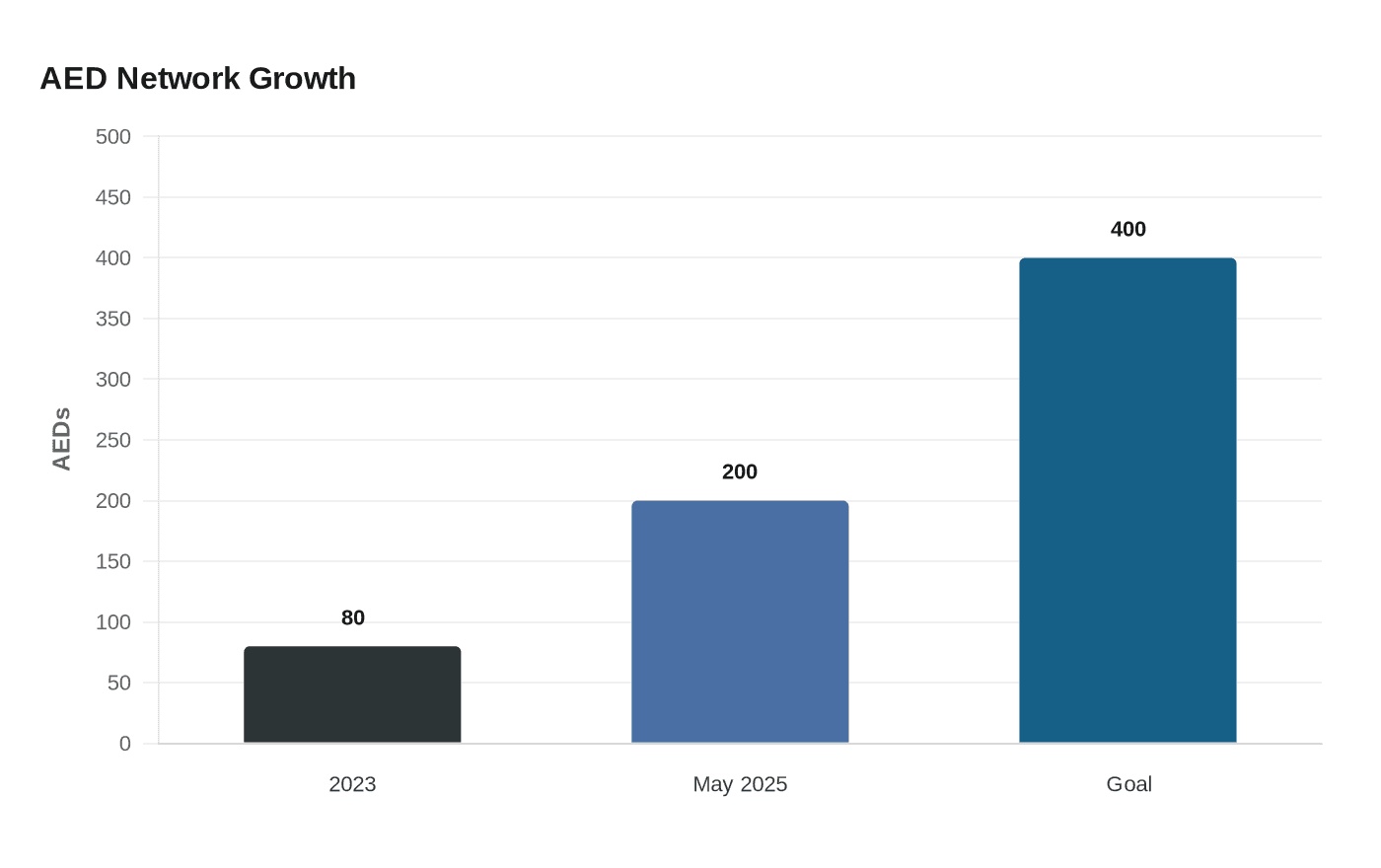
The harder question is whether that coverage reaches every block fast enough, especially around parks, schools and sports venues where families expect help to be close. The city’s long-term goal is to put more than 400 AEDs into citizens’ hands, a threshold officials say would move McKinney closer to a true 4-Minute City. The American Heart Association says immediate CPR and AED use can double or triple survival, and that about 70% of cardiac emergencies happen at home, which makes the city’s volunteer network as much a neighborhood test as a medical one. McKinney has already seen what that can mean: Jim Millsap survived a cardiac event in August 2025 after immediate chest compressions and a fast response, later receiving three stents.
This article was produced by Prism’s automated news system from verified source data, official records, and press releases, then run through automated quality and moderation checks before publishing. The system is built and supervised by the people who set the standards it runs under. Read our full AI policy.
Know something we missed? Have a correction or additional information?
Submit a Tip