McKinney Hosts Inaugural Affordable Housing Summit Amid Rising Rents
McKinney's rents climbed 44% in a decade as the city hit 227,500 residents. Now a coalition of five organizations is convening the city's first-ever Affordable Housing Summit.
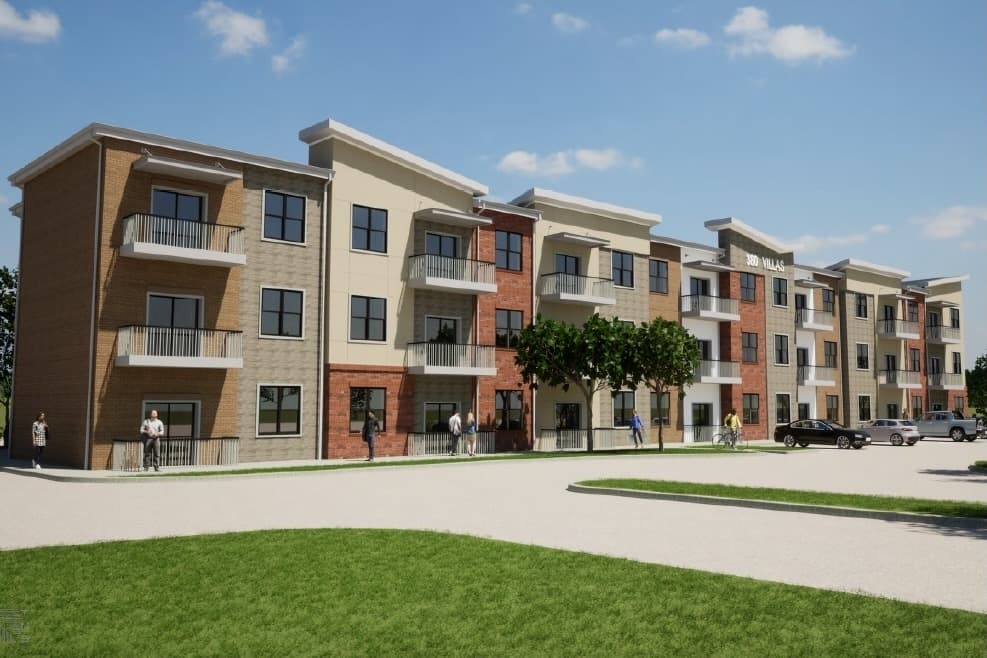
McKinney added more than 90,000 residents in the last 15 years, reaching an estimated 227,500 people in 2024. The tab for that growth is coming due: rents climbed 44% between 2015 and 2025. On Monday, five organizations answered that pressure by convening the city's inaugural Affordable Housing Summit at the McKinney ISD Community Event Center, drawing together city officials, developers, housing advocates and employers to confront a shortage that researchers say won't resolve itself.
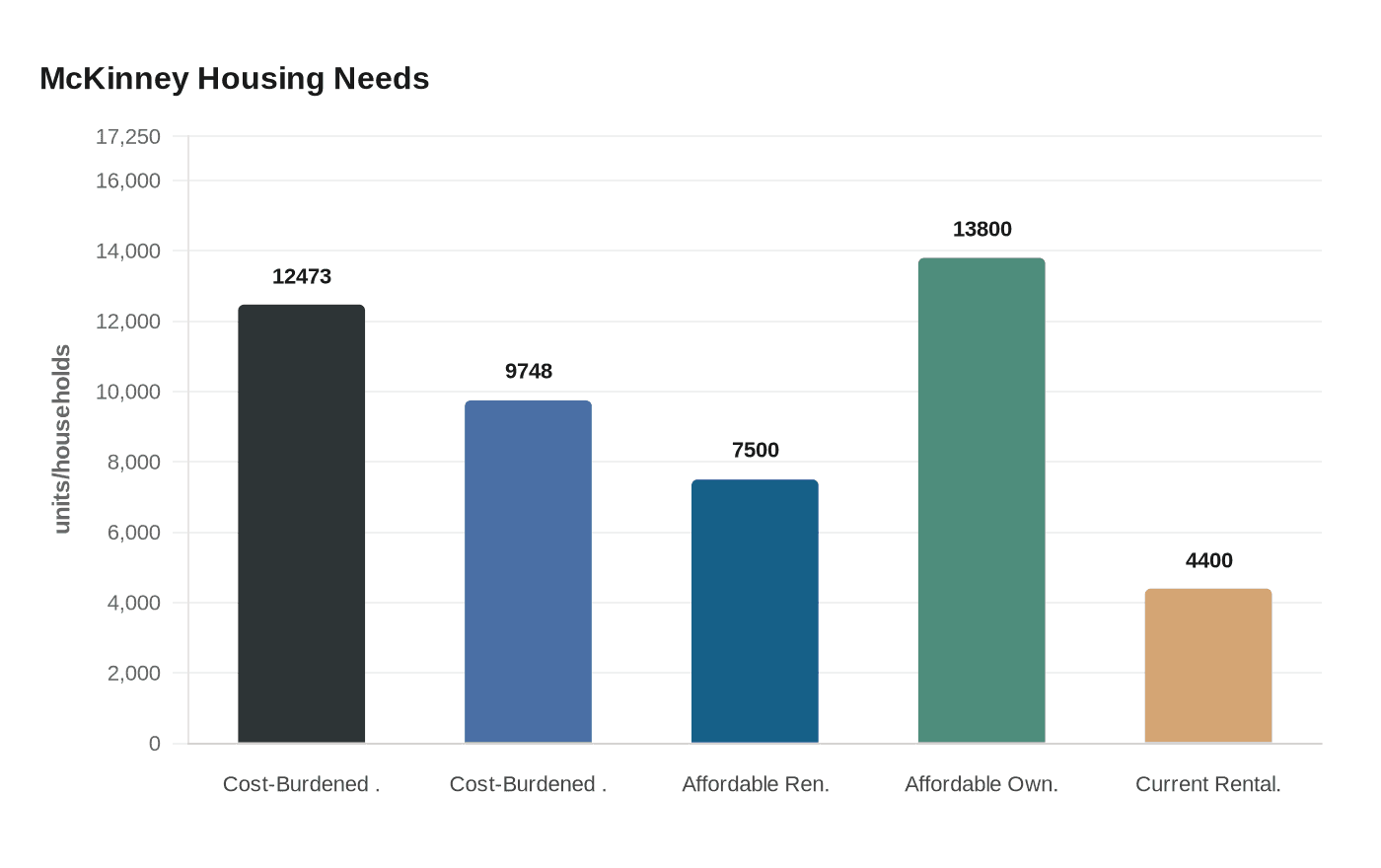
A Root Policy Research analysis projected that McKinney will need more than 7,500 affordable rental units and more than 13,800 affordable ownership units by 2035. In 2023 alone, 12,473 renter households and 9,748 owner households were cost-burdened. For renting households earning between 0% and 60% of the area median income, the city already faces a shortfall of more than 4,400 affordable units.
The five-hour summit at 4201 S. Hardin Blvd. was co-hosted by McKinney Front Porch, the City of McKinney, the McKinney Chamber of Commerce, the McKinney Community Development Corporation and the McKinney Housing Authority. Mayor Bill Cox opened the program with remarks on the city's workforce housing needs, followed by a housing update from Margaret Li, the city's director of Housing and Community Development. Cullum Clark of the George W. Bush Institute-SMU Economic Growth Initiative delivered the keynote address, and Felicity Maxwell of Texans for Housing provided a legislative outlook on housing policy. Panel discussions featuring employers, advocates and academics rounded out the morning program, which ran from 8 a.m. to 1 p.m.
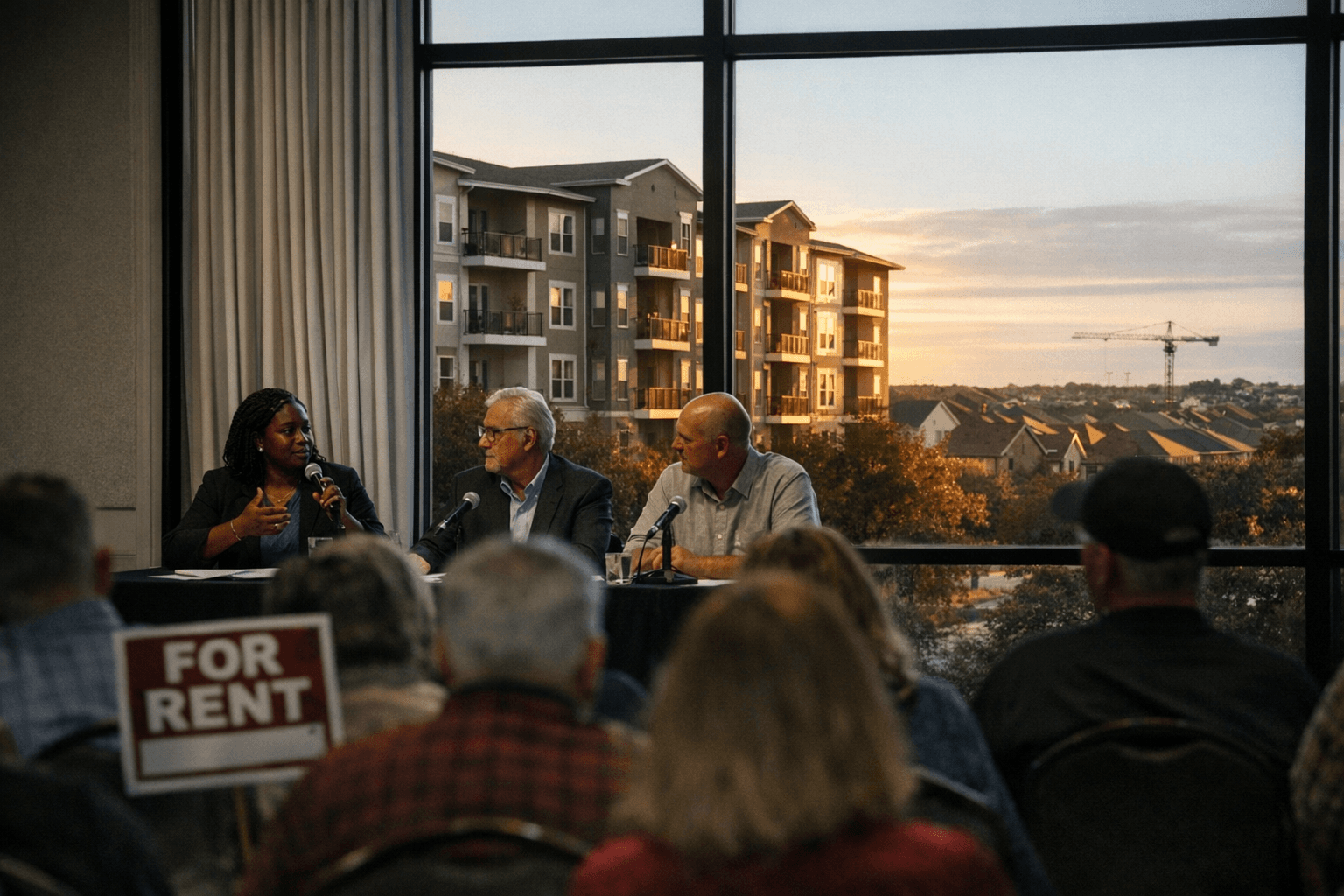
The summit's organizers framed the gathering explicitly as a recruitment tool for the private sector. Chamber promotional materials invited business leaders and developers to "explore innovative housing partnerships that benefit your workforce and strengthen our community," promising access to city incentives and support for companies willing to help secure housing for employees. Participating businesses, the materials noted, could offer workers priority access to affordable housing developed through those partnerships.
Root Policy Research noted that McKinney has taken significant steps toward a proactive housing strategy, but recommended more action, including aligning affordability goals across city departments, land banking, expanded voucher support, anti-displacement measures, zoning updates and dedicated funding sources for housing programs.
Sponsors backing the summit included Palladium USA as event sponsor, alongside McKinney Community Development Corporation, Carleton Companies, Dominium, Catholic Charities Dallas, Frost Bank-Dallas, Palladium Management Company and Carrington Coleman.
Despite the documented rental gaps, McKinney was ranked the best city in the United States for renters in 2025, based on factors including cost of living, economic opportunity and quality of life. Summit organizers cited that tension, between a livability ranking and the structural housing deficit underneath it, as the reason deliberate policy action can no longer wait.
Registration for future summit events or related Housing and Community Development programming can be directed to lhermes@mckinneychamber.com.
Know something we missed? Have a correction or additional information?
Submit a Tip