New weekly downtown Wylie services expand support for survivors
Hope’s Door is offering weekly in-person survivor services in downtown Wylie to reduce access barriers for eastern Collin County residents.
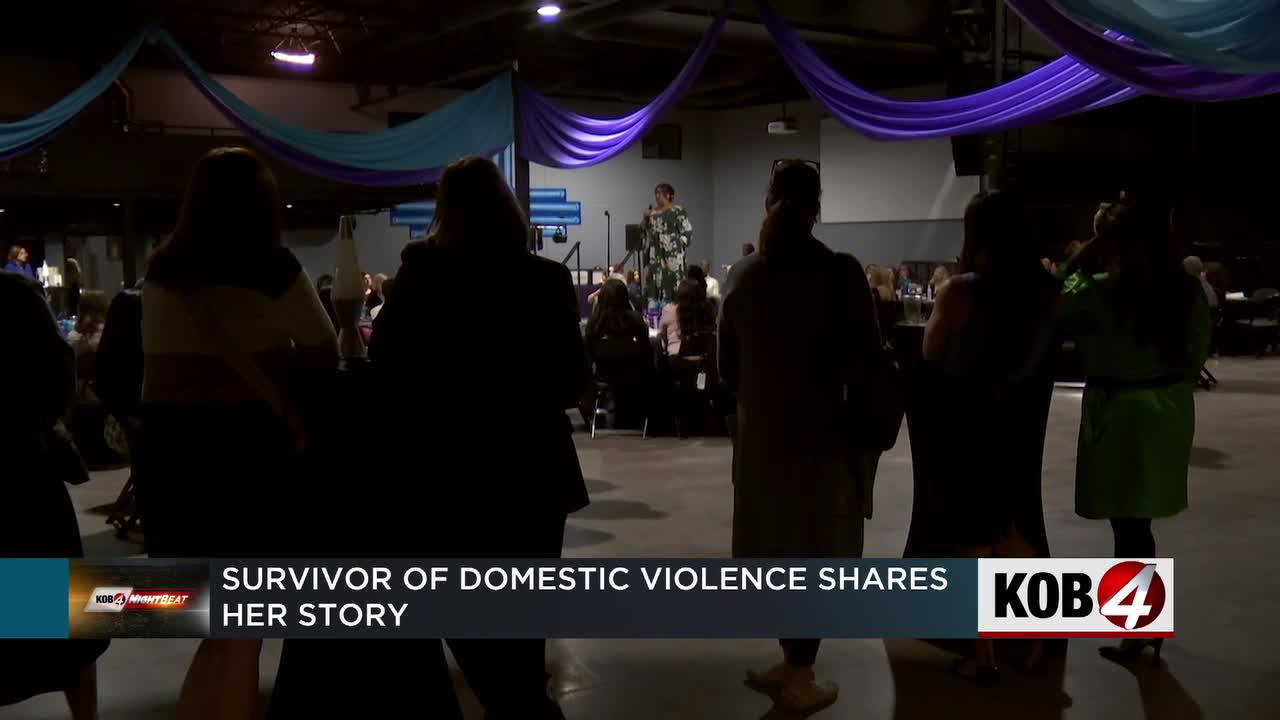
Hope’s Door New Beginnings Center has established a weekly in-person presence in downtown Wylie to provide confidential services to survivors of domestic and family violence, a move aimed at reducing transportation and access barriers for eastern Collin County residents.
Since mid-November, HDNBC staff, including CEO Megan Valdez, have been onsite each Wednesday from 10 a.m. to 3 p.m. at the Hope for the Cities Resource Center inside The Cross Church Event Center. The partnership with Hope for the Cities creates a fixed, private location in downtown Wylie where survivors can seek crisis counseling, safety planning, referrals and case support without traveling to larger regional offices.

Hope for the Cities Executive Director Jon Bailey said the downtown location was chosen to meet people closer to where they live and to provide private space for meetings. The program began as a weekly presence and may expand if demand grows. That demand is visible in recent local caseloads: HDNBC previously assisted roughly 45 individuals and families in Wylie and about 140 in the surrounding area, numbers that community advocates say underline persistent need across eastern Collin County.
For residents, the practical impact is immediate. Having a reliable, walk-in or scheduled presence downtown reduces a common barrier for survivors who lack transportation, work inflexible hours, or face mobility and language challenges. Services are offered regardless of gender identity, immigration status, language, disability or sexual orientation, widening access for populations that often encounter layered obstacles when seeking help.
Institutionally, the partnership highlights a growing model in Collin County: local nonprofits co-locating services within faith-based or community spaces to reach neighborhoods that county-wide systems do not easily serve. That approach can lower overhead for nonprofits and shorten travel times for clients, but it also raises questions for local policymakers about sustainable funding, data sharing, and coordination with county victim services and law enforcement to ensure seamless referrals and follow-up care.
Community leaders and elected officials monitoring service gaps should take note of usage trends as the pilot continues. If weekly visits translate into higher service uptake, the county may face pressure to allocate more resources to outreach, transportation assistance, and multilingual staffing to mirror needs demonstrated in Wylie.
The takeaway? This partnership brings help closer to home for people who need it most. Our two cents? If you or someone you know may need assistance, visit the Cross Church Event Center on Wednesdays during the listed hours or contact the Hope for the Cities Resource Center to schedule a confidential appointment; if you care about long-term solutions, urge local leaders to fund sustained outreach and transportation supports so these one-day-a-week services can grow into lasting infrastructure.
This article was produced by Prism’s automated news system from verified source data, official records, and press releases, then run through automated quality and moderation checks before publishing. The system is built and supervised by the people who set the standards it runs under. Read our full AI policy.
Did this article answer your question?