Parks in Frisco, Plano and McKinney offering trails, preserves, family amenities
Frisco, Plano and McKinney parks together offer trails, nature preserves, large-event fields and family amenities across Collin County, shaping health, recreation and community access.

Parks in Frisco, Plano and McKinney play distinct but connected roles in Collin County life, providing trails for movement, preserves for nature contact, large fields for events and family amenities that support everyday play. This guide highlights those different experiences and what they mean for public health, community access and local policy across three of Collin County’s largest cities.
Frisco trails and active recreation Frisco’s park system emphasizes walkable and bikeable corridors that link neighborhoods to green space. Trails in Frisco serve as places for daily exercise, commuting by foot or pedal, and organized fitness programs; they also relieve pressure on indoor recreation centers during hot months, which matters for families and older adults seeking shade and consistent activity. City planning decisions that prioritize connected trails in Frisco directly affect equitable access to physical activity choices, especially in areas farther from commercial centers.
Plano preserves and nature-based health benefits Plano’s nature preserves provide habitat protection while offering residents restorative outdoor access that supports mental health and childhood development. Nature preserves in Plano are used for quiet recreation, birdwatching and environmental education programs that benefit neighborhood schools and community groups. Sustained investment in preserve maintenance in Plano is a public health investment, reducing heat island effects and giving residents places for stress reduction that complement clinical mental health services.
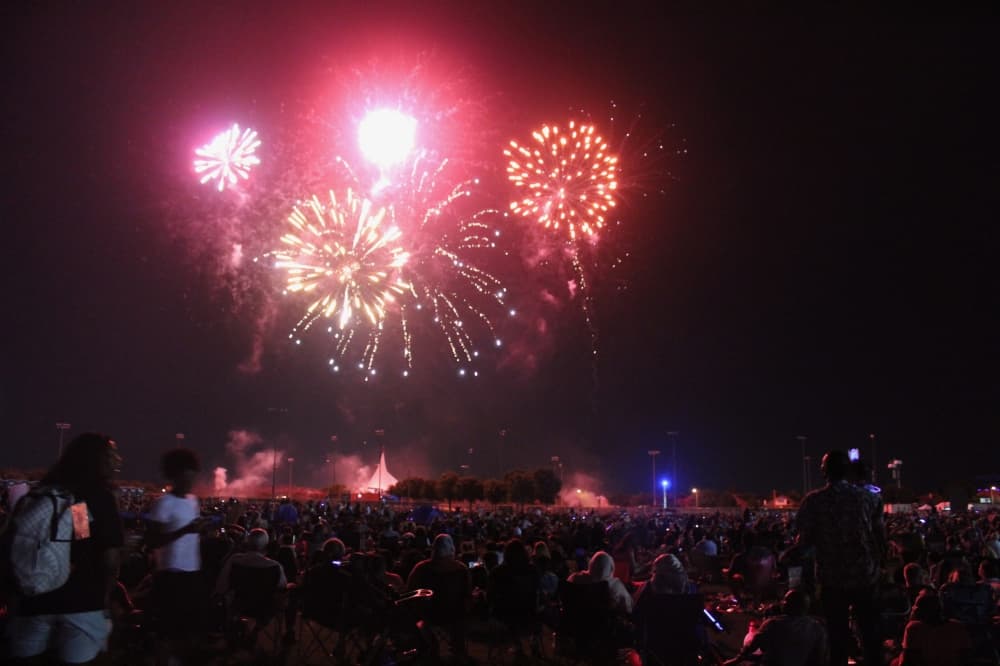
McKinney fields and big-event infrastructure McKinney’s parks include large-event fields and spaces designed to host tournaments, festivals and civic gatherings that draw people across Collin County. Those big-event fields generate economic activity for downtown businesses and local vendors while serving as staging grounds for community preparedness activities such as neighborhood resilience fairs and health screenings. Decisions about scheduling, parking and policing at McKinney’s event parks shape who can participate and whether benefits are equitably distributed across the county.
Family amenities that support caregivers and kids Across Frisco, Plano and McKinney, family amenities such as playgrounds, picnic shelters, splash features and restrooms determine how long families can comfortably use parks. Accessible play equipment, shaded seating and restroom availability reduce barriers for caregivers with young children and for multigenerational families. Where these amenities are concentrated matters for equity: neighborhoods with fewer amenities risk leaving children without safe, proximate places to play, increasing dependence on paid programming that many households cannot afford.
Public health implications and preventive value Parks in Frisco, Plano and McKinney are frontline public health infrastructure. Trails lower barriers to daily physical activity; preserves offer spaces for low-stress social contact that can reduce anxiety; event fields enable mass vaccination or testing drives when needed. Investing in regular maintenance, safe lighting and ADA-accessible design across these cities improves preventive health outcomes and reduces future healthcare costs by promoting activity and social cohesion.
Community impact and social equity concerns How park resources are distributed in Frisco, Plano and McKinney reflects broader equity challenges in Collin County. When large-event fields and flagship preserves are clustered near higher-income neighborhoods, other communities face longer travel times and fewer free recreation options. Local policy choices about funding, programming subsidies and outreach determine whether parks become inclusive community anchors or assets that reinforce existing disparities.
Safety, maintenance and programming: practical considerations Park safety and upkeep affect usage patterns across Frisco, Plano and McKinney. Well-maintained trails encourage weekday and weekend visitors, while poorly lit corridors deter evening use. Programming such as guided nature walks, free family play days and accessible sports leagues expands who benefits from parks. Municipal budgets, volunteer stewardship groups and public-private partnerships in each city shape the quality and availability of these services.
Transit, connectivity and last-mile access Connectivity matters as much as park quality: trails that link to transit stops in Frisco, walking routes that feed into Plano preserves and pedestrian access to McKinney event fields make parks usable without a car. Where last-mile access is lacking, lower-income residents face added transportation time and cost to enjoy public parks. Policies that coordinate parks planning with transit and active-transportation investments in each city increase equitable usage.
- Check city park maps and programming calendars before visiting to find scheduled events or closures in Frisco, Plano or McKinney.
- Pack essentials for family outings: water, shade options and a portable seat for longer community events at McKinney fields.
- Use early morning or late-afternoon hours for trail visits in summer to avoid heat and take advantage of shaded segments found in Plano preserves.
- Look for volunteer stewardship days that help maintain amenities and deepen community ties in all three cities.
Practical tips for using parks in Frisco, Plano and McKinney
What local leaders should prioritize City officials and county planners should treat parks in Frisco, Plano and McKinney as essential public infrastructure that requires predictable funding, inclusive programming and attention to connectivity. Priorities that yield the largest health and equity returns include targeted investments in underserved neighborhoods, ADA upgrades across playgrounds and trails, and coordinated scheduling of big-event fields to share economic benefits countywide. Cross-jurisdictional planning between the three cities increases the overall resilience of Collin County’s recreation network.
Final note on community resilience Parks in Frisco, Plano and McKinney do more than entertain: they shape daily health, create meeting places for civic life and serve as assets during public health responses. Strengthening trails, preserves, family amenities and event fields with an equity lens will make Collin County healthier and more resilient in the long term.
This article was produced by Prism’s automated news system from verified source data, official records, and press releases, then run through automated quality and moderation checks before publishing. The system is built and supervised by the people who set the standards it runs under. Read our full AI policy.
Did this article answer your question?