Photos: East Plano Islamic Center Drive-Through Pantry Distributes Food, Baby Formula
East Plano Islamic Center ran a drive-through pantry that distributed boxes of food and baby formula to families on Jan. 17, showing local relief efforts amid ongoing cost pressures.
Lines of cars moved steadily through the parking lot at the East Plano Islamic Center as volunteers loaded boxes of food and handed out baby formula to families in need. The drive-through pantry, organized by EPIC Masjid on Jan. 17, 2026, used a curbside model to speed distribution and limit contact while serving a broad cross-section of Plano residents.
Photographs from the event show volunteers stacking labeled boxes, carrying bulk cans and bags to trunks, and placing cartons of infant formula into car seats. The visual record underscores the operational backbone of faith-based relief work: coordinated volunteers, donated or purchased goods, and simple logistics that translate donated goods into immediate household relief. Organizers prioritized essentials parents say are hardest to find or afford, including baby formula, a frequent emergency item for families with infants.
The pantry’s approach reflects broader local needs. Collin County has experienced population growth over the last decade, and many families in rapidly expanding suburbs face higher rents and grocery bills even as wages struggle to keep pace. Community-run pantries supplement federal nutrition programs such as SNAP and WIC by providing immediate access to food and infant supplies between benefit cycles or when supply gaps occur. For retailers and supply chains, increased use of community distribution points signals persistent demand for staples and for infant nutrition products that can tighten local availability during periods of heightened need.
The market implications are twofold. First, community distribution reduces short-run pressure on household budgets by substituting donated goods for retail purchases. Second, repeated reliance on emergency distribution risks masking structural shortages unless local and state policy responds. Municipal officials and nonprofit partners can use events like EPIC Masjid’s pantry to calibrate support programs, identify distribution bottlenecks, and align food assistance with clinic and social service outreach.
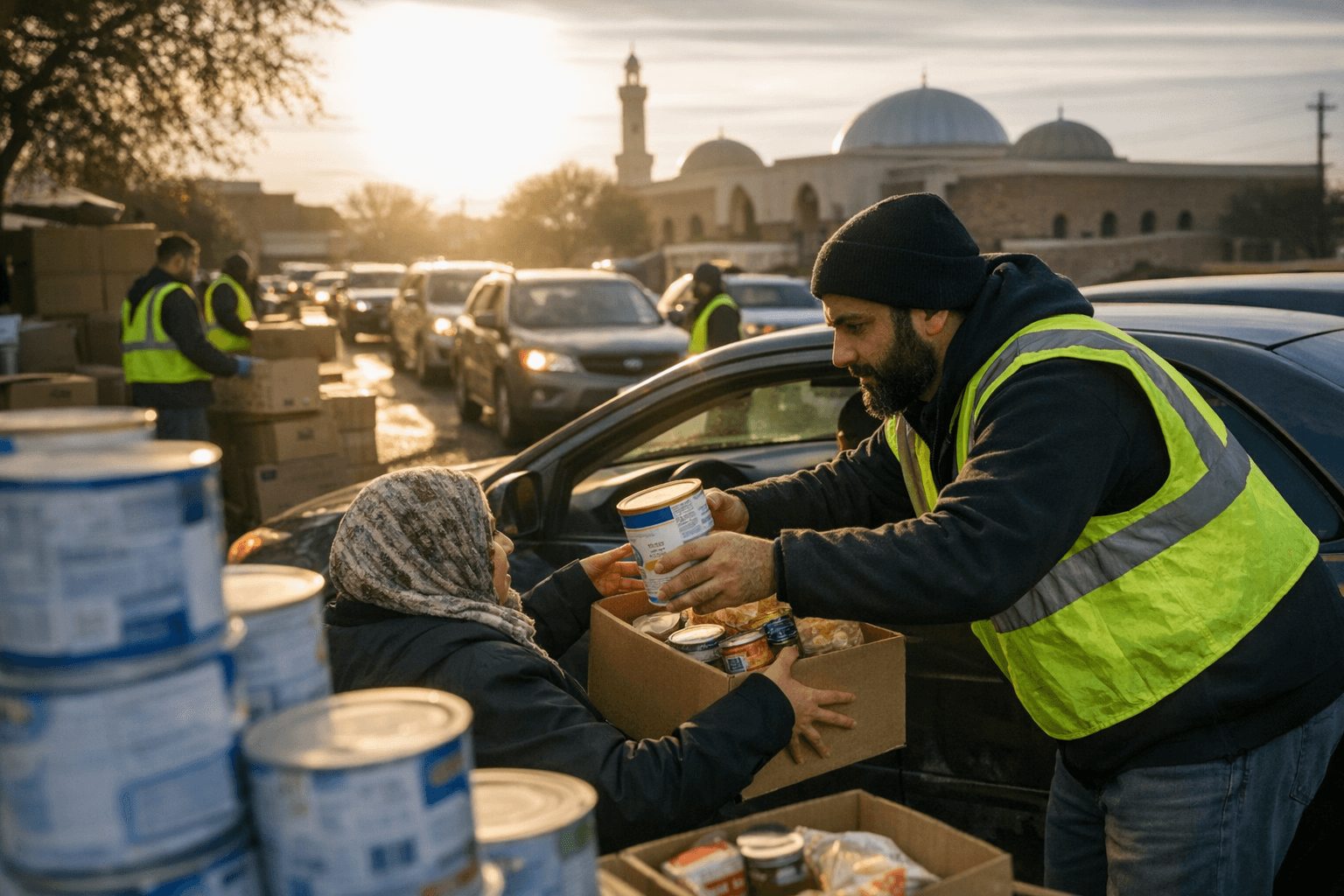
For Plano residents, the event was both practical assistance and a reminder of local social capital. Volunteers and recipients documented in the gallery reflected neighborhood networks stepping in where market and policy gaps leave shortfalls. The drive-through format also highlights an operational lesson for other groups: mobility and contact-free distribution can increase throughput and reach families who cannot attend indoor pantries due to work schedules or transportation limits.
As Collin County navigates cost pressures and demographic shifts, community-based efforts will remain a key part of the safety net. Readers can view the photo gallery to see how neighbors and faith communities are organizing relief and consider how local policy and philanthropy might scale such efforts to meet ongoing demand.
This article was produced by Prism’s automated news system from verified source data, official records, and press releases, then run through automated quality and moderation checks before publishing. The system is built and supervised by the people who set the standards it runs under. Read our full AI policy.
Did this article answer your question?