Plano East Senior Ananya Nagendra Named Top 40 Finalist in Regeneron STS
Local readers learn that Plano East senior Ananya Nagendra is a Regeneron STS Top 40 finalist and what that means for local STEM and policy.
1. Announcement by Society for Science & the Public
The Society for Science & the Public selected the Top 40 finalists for the 85th Regeneron Science Talent Search, elevating a national cohort of student researchers. This selection signals rigorous peer and expert review that puts finalists on a national scientific stage.
2. Plano ISD confirmation
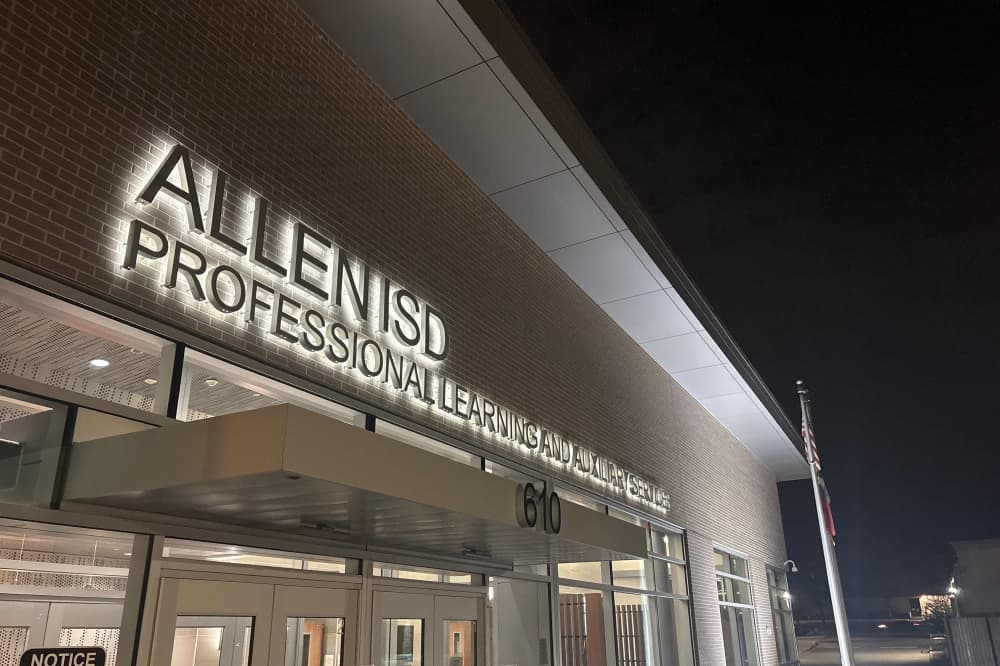
Plano ISD posted that Plano East Senior High School senior Ananya Nagendra was named among those Top 40 finalists on Jan. 23, 2026. The district’s announcement formalizes local recognition and ties the student’s achievement to district-level support.
3. Identity of the finalist
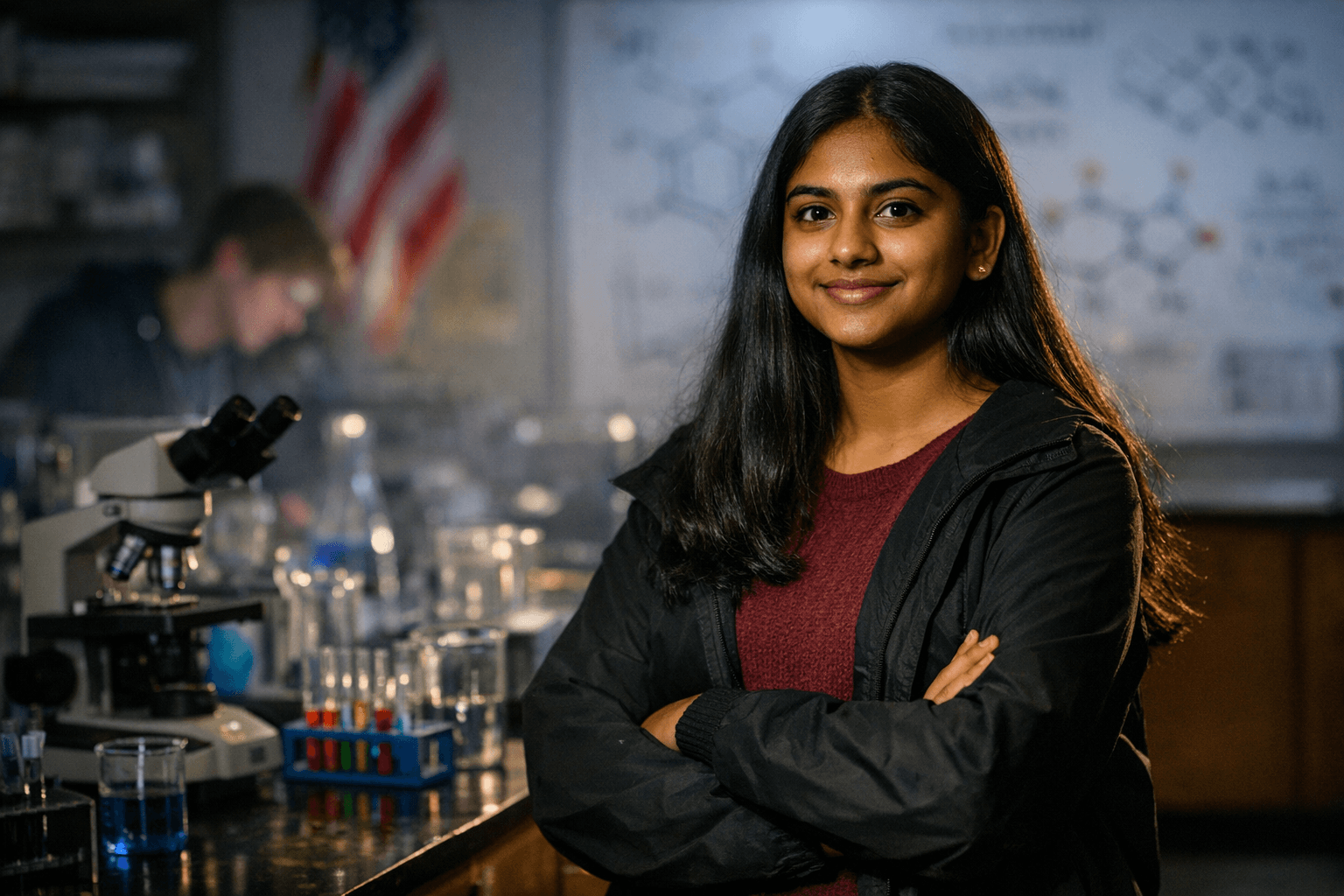
The student at the center of this coverage is Plano East Senior High School senior Ananya Nagendra, representing Collin County on a national platform. Her selection places a local high schooler among the country’s most promising pre-college researchers.
4. Project title and focus
Her project is titled “Utilizing Ants To Mitigate MSW Landfill-Generated Methane Production Through Novel Aerobic Digester System for Anthropogenic Food Waste Decomposition.” The study combines entomology, waste management engineering, and emissions mitigation in a single applied research effort.
5. Scientific aim: landfill methane reduction
The core aim is to mitigate methane produced by municipal solid waste (MSW) landfills, a potent greenhouse gas concern for local and regional climate policy. Addressing landfill emissions locally ties student research to broader county sustainability goals.
6. Methodology: ants in aerobic digesters
Nagendra’s work explores using ants within a novel aerobic digester system to accelerate decomposition of anthropogenic food waste under controlled conditions. This interdisciplinary approach tests biological agents as components of engineered waste-treatment systems.
7. Anthropogenic food waste emphasis
The project targets human-generated food waste as the substrate for decomposition, which aligns with municipal recycling and composting priorities. If scalable, such methods could reduce landfill input from residential and commercial sources.
8. Novel aerobic digester system
The system proposed introduces aerobic conditions to mitigate methane, which typically forms under anaerobic landfill conditions. Aerobic approaches can shift decomposition pathways and potentially reduce methane output if implemented properly.
9. Originality and creativity in selection
Finalists were chosen based on the originality and creativity of research, underlining that Nagendra’s work stood out conceptually and methodologically. This recognition validates novel, cross-disciplinary problem-solving among high school researchers.
10. Achievement and leadership criteria
Achievement and leadership were also key selection factors, indicating the competition weighs both scientific merit and the student’s broader contributions. Local policymakers and educators can view this as a model for cultivating student leadership.
11. Prize structure for finalists
Each finalist receives at least $25,000 as part of the Regeneron STS awards structure, providing significant seed funding for continued study or education. That minimum award reflects the competition’s investment in prodigious young scientists.
12. Top awards in Washington, D.C.
Finalists will compete in Washington, D.C. in March for awards up to $250,000, offering transformative support for higher education or research. The national finals also expose students to federal science stakeholders and institutional partners.
13. National competition timeline
Plano ISD noted the dates for the national competition in March 2026, marking a concrete timeline for the finalist’s next steps. The March finals will concentrate national attention on the Top 40 and their projects.
14. Applicant pool size
More than 2,600 entrants comprised the initial applicant pool, demonstrating intense nationwide participation in pre-college research. That scale underscores the competitiveness of Nagendra’s selection.
15. Selection funnel: 2,600 to 300 to 40
The process narrowed entrants first to 300 semifinalists and then to the Top 40 finalists, reflecting multi-stage evaluation. Each reduction step signals increasing scrutiny by scientific panels.
16. Local announcement timing
Plano ISD’s Jan. 23 posting followed the Society for Science announcement on Jan. 21, 2026, quickly connecting national recognition to local audiences. Timely district communication helps mobilize school and community support.
17. Visibility for Plano East Senior High
Ananya’s finalist status raises Plano East Senior High School’s profile within Collin County and across the Dallas–Fort Worth region. That visibility can attract partnerships, sponsorships, and STEM resources to the campus.
18. Implications for Plano ISD STEM programs
District-level success stories strengthen arguments for sustained or increased investment in advanced STEM programs across Plano ISD. Policymakers should consider how student achievements indicate return on educational investment.
19. Community inspiration and youth engagement
Local students gain a tangible example of high-level STEM opportunity beginning in Plano classrooms, increasing civic engagement around education pathways. Celebrating finalists can motivate younger students to pursue competitive research.
20. Potential partnerships with waste management
Nagendra’s project intersects directly with municipal waste authorities, suggesting potential collaborations between schools and Collin County sanitation programs. Practical pilot projects could test scalability at local transfer stations or compost facilities.
21. Policy implications for methane mitigation
If elements of the research translate to municipal practice, they could inform local methane mitigation strategies and landfill management policies. Elected officials might consider pilot funding as part of climate-resilience planning.
22. Institutional roles and accountability
School districts, county waste agencies, and higher-education partners all have roles in translating promising student research into applied pilots. Public institutions should define transparent pathways for partnership and resource allocation.
23. Local economic development potential
Success at national science competitions can seed local innovation ecosystems, attracting university collaborations and startup interest around waste-tech solutions. Collin County economic development arms may watch for commercialization pathways.
24. Research scalability questions
Scaling a lab-based digester system to municipal volumes raises logistical, regulatory, and financial questions that require institutional study. Feasibility assessments must address biosafety, permitting, and long-term efficacy.
25. Biosafety and ecological oversight
Using living organisms like ants at scale invites scrutiny on ecological impacts and containment measures, necessitating oversight from environmental and regulatory bodies. Responsible pilot design should involve expert consultation.
26. Educational leadership and mentorship
Nagendra’s leadership recognition suggests mentorship roles within Plano East and beyond, providing a model for peer-led research initiatives. Formal mentorship programs could amplify district research capacity.
27. Representation in STEM
A local student reaching the Top 40 highlights diversity pathways into competitive science for Collin County youth, reinforcing inclusive talent development. Schools and civic groups should track access and equity measures.
28. Media and public attention management
As the student gains national exposure, local institutions must manage media and privacy considerations responsibly to protect the student while promoting community pride. Clear district communication protocols are essential.
29. Role of competitions in civic culture
Regeneron STS and similar competitions function as civic instruments, showcasing public education outcomes and informing citizens about local talent. Community leaders can leverage such wins to engage voters on education policy.
30. How residents can support finalists
Residents can support by attending school recognition events, donating to STEM initiatives, and encouraging local businesses to sponsor student research. Civic engagement strengthens the ecosystem that produces finalists.
31. Follow-through by higher education
Universities often scout finalists for undergraduate research and scholarships, creating pipelines that benefit the region. Local institutions should coordinate outreach to retain talent within the DFW area.
32. Funding and grant opportunities
Prize awards and recognition open doors to additional grants and philanthropic funding for further research and educational programs in the district. School administrators should prepare grant-ready proposals to capitalize on momentum.
33. How the competition advances civic science literacy
The public-facing nature of finalists’ work advances community understanding of technical issues like landfill methane and waste decomposition. Educators can translate complex methods into civic learning opportunities.
34. Practical municipal pilots to consider
Collin County could explore small-scale pilots integrating aerobic digesters or food-waste diversion programs informed by student findings. Pilot projects are a pragmatic way to test efficacy before broader policy shifts.
35. Potential career trajectory for the student
Finalist status and prize support can significantly influence college and career options for Nagendra, enhancing prospects in environmental engineering or biological research. Community networks should offer guidance and internships.
36. Accountability for public investment
When public schools and taxpayers support STEM education, officials should track outcomes and report back to voters, using wins like this as measurable indicators. Transparent reporting builds public trust.
37. Timeline to watch
The key near-term milestone is the March competition in Washington, D.C., where awards will be distributed and national rankings finalized. Residents and local media should mark those dates to follow results.
38. How to stay informed locally
Follow Plano ISD communications and local news outlets for updates on the finalist’s progress, district celebrations, and potential community events around the competition. Local engagement channels will carry verified information.
39. Collective benefit and civic pride
Ananya’s achievement reflects a community investment in STEM education and yields benefits beyond individual recognition by inspiring peers and informing local policy discussions. Celebrate rigor while pressing institutions to expand opportunity.
40. Practical takeaway for residents
Use this moment to advocate for sustained funding of school research programs, support local pilot projects on waste reduction, and encourage partnerships that turn student innovation into public benefit. Practical civic action, from volunteering to voting for school initiatives, converts pride into policy.
This article was produced by Prism’s automated news system from verified source data, official records, and press releases, then run through automated quality and moderation checks before publishing. The system is built and supervised by the people who set the standards it runs under. Read our full AI policy.
Did this article answer your question?