Plano tourism plan targets families, food, arts, and cultural visitors
Plano is recasting tourism as economic development, betting on food, arts and family travel to bring in more spending, longer stays and a bigger weekend economy.
Plano’s tourism pitch is getting more specific
Plano is trying to sell itself less like a commuter suburb and more like a place worth staying in. The city’s new tourism strategy leans hard into three things Plano already has in abundance: family-friendly outings, a serious food scene and enough arts, shopping and cultural activity to give visitors a reason to linger.
That matters because this is not just a branding exercise. A tourism plan that aims to attract affluent families, multigenerational travelers and culturally driven visitors can shape where the city spends money, which districts get promoted and how often residents see new events, festivals and public-facing investments in places like downtown, shopping corridors and entertainment areas.
What Visit Plano is actually trying to do
Visit Plano presented the long-term strategy to Plano City Council on April 27, with Mark Thompson introducing the presentation. The plan was built with CSL International and based on more than 60 stakeholder interviews across city leadership, businesses, arts organizations, hospitality representatives and residents. The consultant guiding the effort said the goal is not to turn Plano into something else, but to elevate what already makes the city competitive.
That distinction is important. The city is not starting from scratch. It is trying to package its existing strengths, including its global dining scene, diverse districts, parks and family environment, into a clearer tourism message that can compete in North Dallas, across North Texas and beyond.
A separate report says the strategy includes 34 actionable recommendations across seven priority areas, along with a phased implementation plan, performance measures and a six-to-eight month status update. That suggests the city wants a plan that moves beyond slogans and into measurable changes that can be tracked over time.
Who Plano says it wants to attract
The strategy breaks visitors into clear segments, and that is where the real story lies. Plano is not only chasing out-of-town shoppers or business travelers. It is aiming for affluent families who want child-friendly entertainment paired with adult-friendly dining, multigenerational groups looking for accessible recreation, and culturally oriented visitors who are drawn to arts, food and lifestyle experiences.

For residents, that targeting could translate into a different kind of city calendar. More family events, more food-centered programming, more emphasis on arts districts and more reasons for visitors to spend time in the places locals already use for dinner, shopping and weekend outings.
The approach also reflects a broader North Texas trend. Suburbs are increasingly competing for discretionary spending, not just office tenants or commuters. In Plano’s case, tourism is being treated as an economic development tool that can support hotels, restaurants, retail centers, arts venues and family attractions at the same time.
The places that make the strategy believable
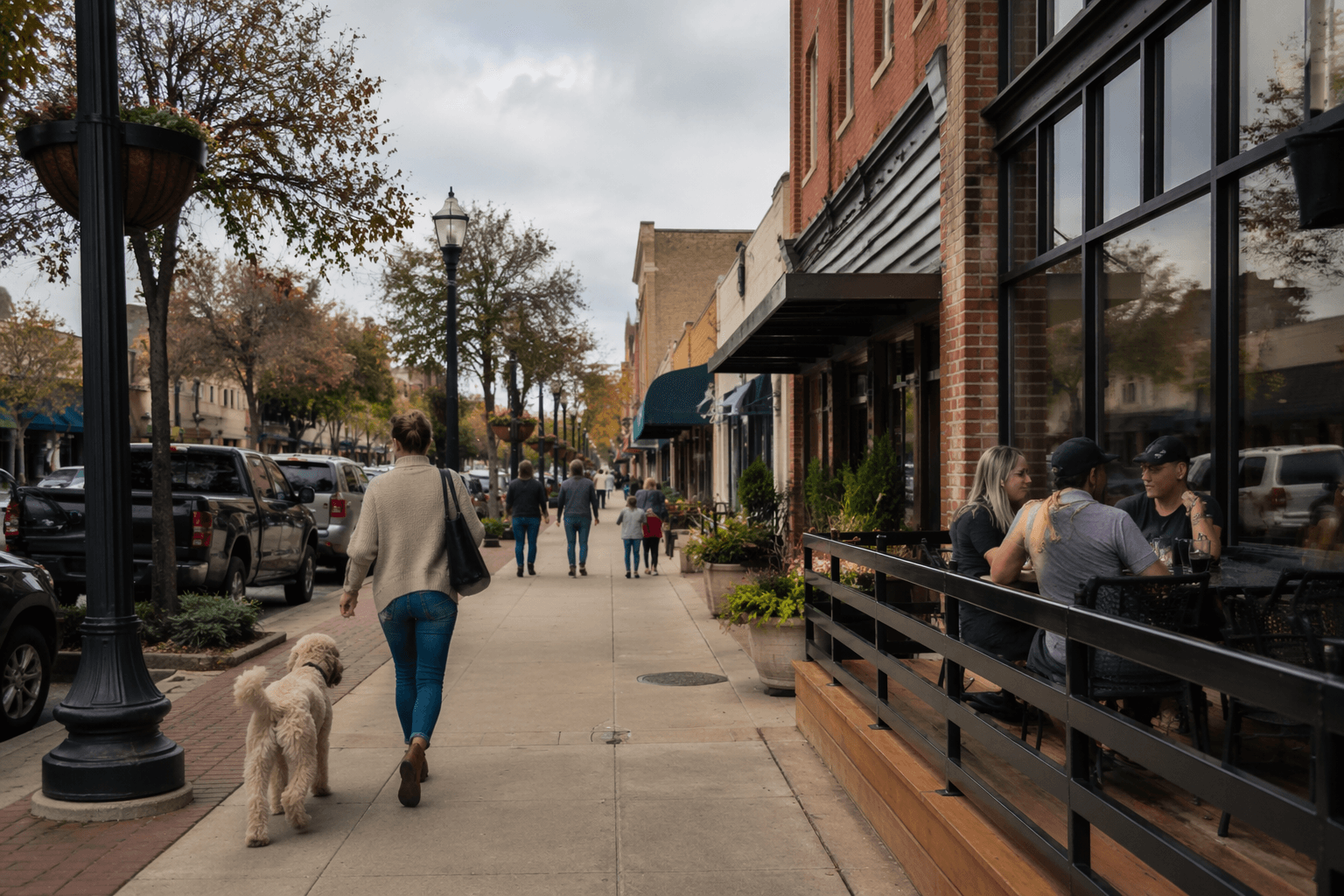
Plano’s case rests on assets that are already visible on the ground. Visit Plano’s materials point to four walkable districts, a lively arts and nightlife scene, world-class shopping and a wide variety of hotels and restaurants. The city also markets itself as a strong family weekend destination because of its access to Dallas/Fort Worth International Airport and Dallas Love Field Airport.
Those details help explain why the city believes it can stretch beyond a one-night stop. Plano already has the basics that weekend travelers look for: places to eat, places to stay and multiple reasons to move between districts rather than stay in one hotel corridor.
The city’s own tourism messaging also centers on family fun, outdoor escapes, shopping, dining, signature events, live music and local culture. In practical terms, that means the city is trying to knit together recognizable destinations and experiences into a more coherent visitor path, rather than promoting individual attractions in isolation.
Why the economic stakes are larger than branding
Plano’s tourism push arrives after the city was designated a Tourism Friendly Texas Certified Community in February 2025. State tourism officials framed that recognition as evidence of Visit Plano’s commitment to tourism as an economic growth strategy, job creation and visitor attraction. Governor Greg Abbott’s office has also pointed out that tourism supports one in 11 jobs across Texas.
That statewide job figure is a reminder that tourism is not a side hobby for cities anymore. It is a labor market issue, a small-business issue and, for a growing suburb like Plano, a way to capture spending that might otherwise flow to Dallas or other North Texas destinations.
Plano’s own numbers reinforce the scale of the opportunity. Visit Plano says the city’s estimated population is 292,066, and the fact sheet notes that Plano has been one of the fastest-growing cities in the United States over the last two decades. The city was also named the 2025 third best city to raise a family by WalletHub and the first happiest big city in America by SmartAsset. That mix of growth, livability and reputation gives tourism officials a ready-made platform to build from.
What residents should watch next
The real question for Collin County is not whether Plano can market itself better. It is whether the strategy changes everyday life in useful ways. Residents should expect the next phase to show up in event programming, city branding, support for local destinations and possibly more attention to the districts where visitors spend money.
That could be good news if the city uses the plan to strengthen places residents already value, especially dining and arts corridors that benefit from steady foot traffic. It could also raise familiar questions about traffic, parking, city spending and whether promotional dollars go to projects that improve the local experience or simply polish the image.
Plano’s comprehensive plan, adopted on November 8, 2021, is designed as a 20-to-30-year framework for growth, redevelopment, transportation, housing and city services. The tourism strategy fits neatly inside that longer view. It suggests the city sees visitor spending as part of its future, not an add-on to it.
For Plano, the gamble is straightforward: if the city already has the restaurants, districts and family appeal, the next step is not invention. It is making sure more people stay long enough to spend money, return again and treat Plano as a destination rather than a pass-through.
This article was produced by Prism’s automated news system from verified source data, official records, and press releases, then run through automated quality and moderation checks before publishing. The system is built and supervised by the people who set the standards it runs under. Read our full AI policy.
Did this article answer your question?