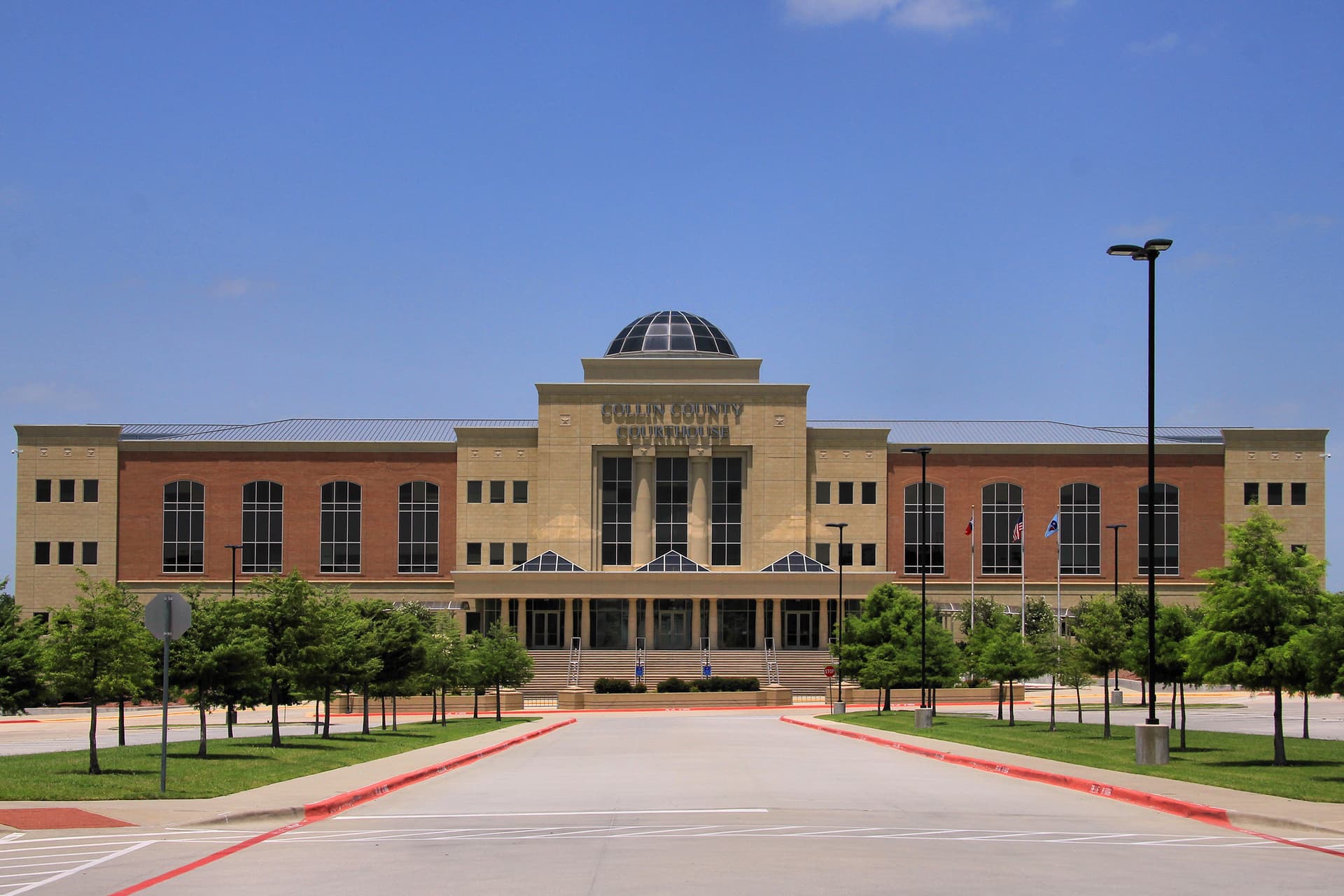
Regional Leaders Approve Rail Study Linking Plano and McKinney
Regional planners must complete a Plano-to-McKinney transit study by early 2027, though no construction timeline has been set for the potential Collin County rail line.
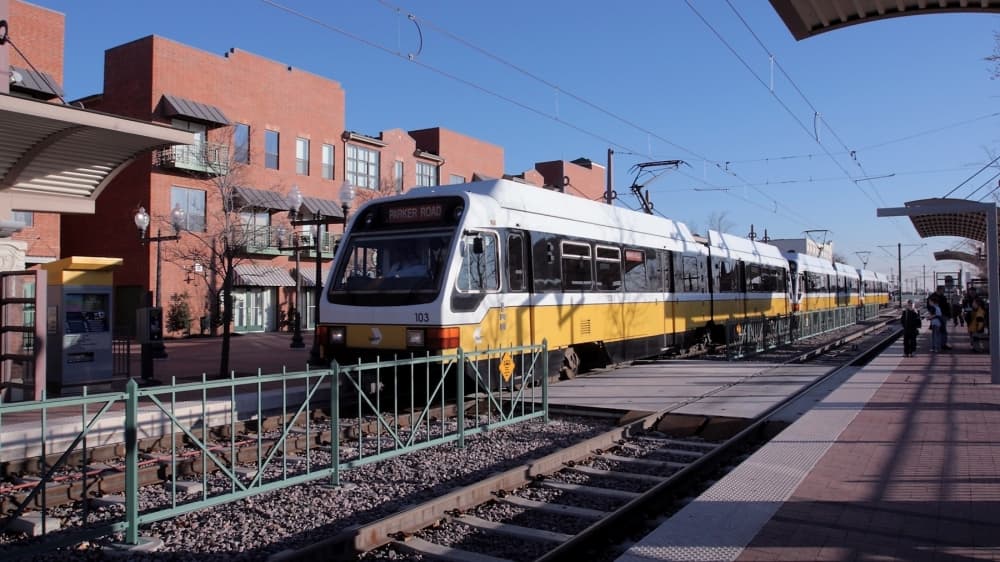
The Regional Transportation Council voted Thursday to fund a formal study examining a potential passenger rail connection between Plano and McKinney, clearing the first bureaucratic hurdle for a transit corridor that has circled Collin County planning discussions for years without ever reaching the construction phase.
The study, approved March 12 as part of the RTC's Transit 2.0 initiative, directs regional planners to evaluate route options, costs, ridership projections and potential connections along a north-south corridor through Collin County. Planners have been told the work must wrap up by early 2027. No construction timeline has been proposed.
Collin County Commissioner Duncan Webb pushed back against framing the effort solely around rail. "I hope this study doesn't restrict it to rail," Webb said. "I think it's got to look at bus rapid transit, because that was one of the things that was considered before as a more economical solution." The study could ultimately result in a line operated by Dallas Area Rapid Transit or a new regional rail authority, depending on what the analysis recommends.
DART CEO Nadine Lee offered a notable data point a day before the vote: speaking in Richardson on Wednesday, she said DART already owns the land for a potential rail line to McKinney. But Lee also signaled caution about committing to new expansion before the agency stabilizes its existing operations. "If we haven't fixed the leaking roof, then I'm not sure we should be considering an addition to our house, and so that's the way I look at this in terms of investments," she said. "I want to take care of the system we have and make sure it's working really, really well so that people will be proud of it and want to invest more in it."

Lee's hesitation lands against a turbulent backdrop for the agency. The RTC last week also voted to approve a $75 million regional contribution to DART, alongside $105 million directed to the Denton County Transportation Authority and Trinity Railway Express, in what RTC member and Denton County Judge Andy Eads called a push for "true regionalism." The broader package, reported separately, came as North Texas transportation leaders attempted to dissuade six cities from pursuing exits from DART. "It is a project that outlives us, and it is a project for future generations," Eads said of the regional investment.
The Plano-McKinney study arrives after a long stretch in which public transit in Collin County has remained, in the words of a prior county transit assessment, "a patchwork of services primarily focused on meeting basic mobility needs, particularly for elderly and disabled" residents. That dynamic dates at least to November 2017, when the Collin County Commissioners Court, backed by five cities and seven chambers of commerce, formally asked the North Central Texas Council of Governments and the RTC for help developing a comprehensive transit approach for areas outside existing transit authority service areas.
Whether the new study produces a rail line, a bus rapid transit corridor, or a revised hybrid will depend on what planners find before the early 2027 deadline. What's clear from Thursday's vote is that regional leaders consider the question worth answering at last.
This article was produced by Prism’s automated news system from verified source data, official records, and press releases, then run through automated quality and moderation checks before publishing. The system is built and supervised by the people who set the standards it runs under. Read our full AI policy.
Did this article answer your question?