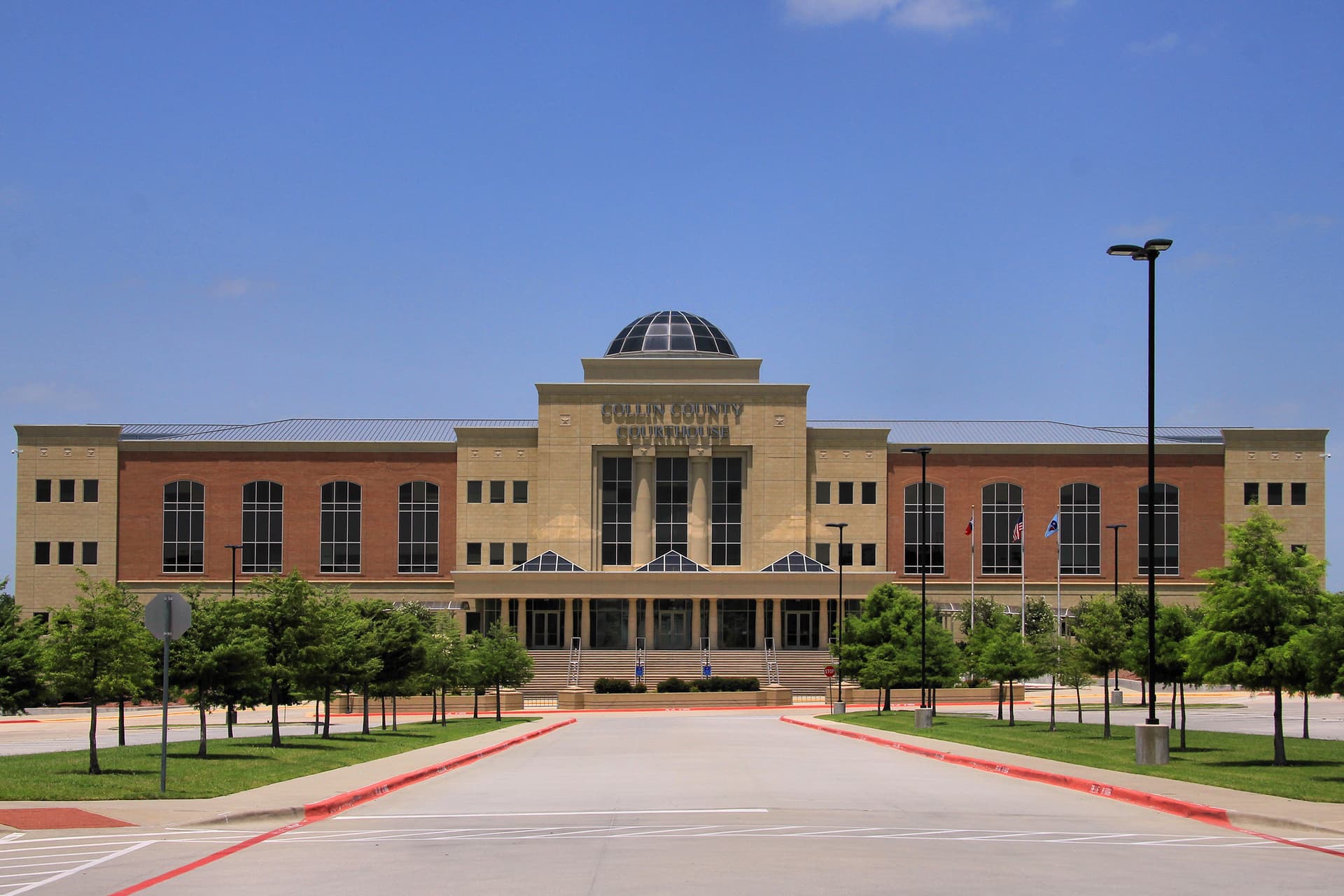
Richardson council to place about 50 charter amendments on May ballot
Richardson city council will likely present roughly 50 charter amendments for the May 2 ballot, altering residency, compensation, ethics, election and emergency rules. Voters face a broad set of governance changes.
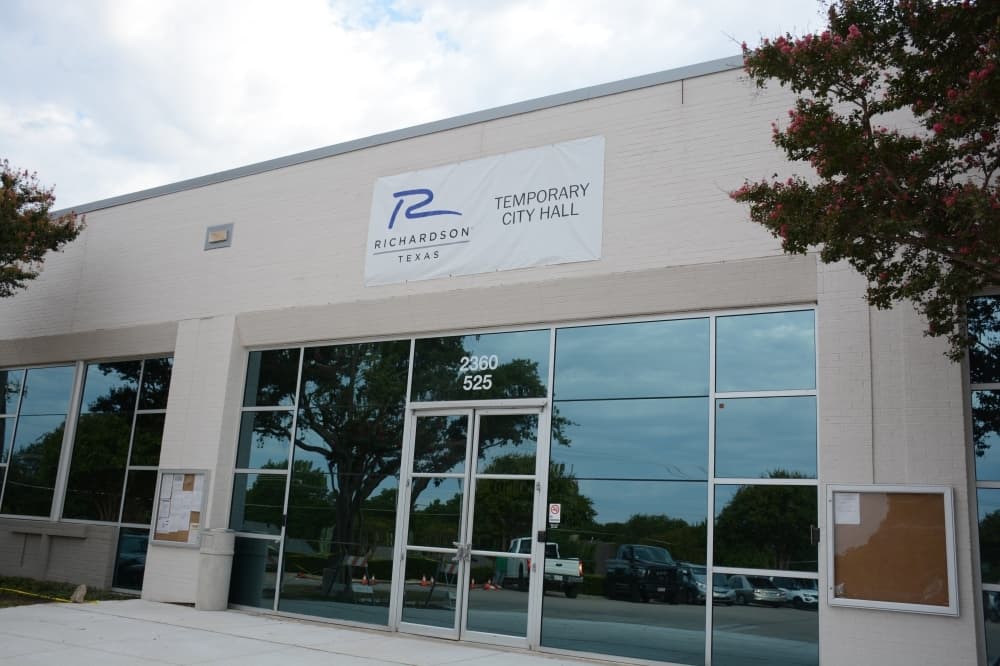
Richardson City Council reviewed a charter review commission’s recommendations at recent meetings and moved toward placing roughly 50 proposed charter amendments before voters on the May 2 election. Council members directed staff to draft a resolution that would bundle the propositions for council action on Feb. 9 to officially call the election.
During the council discussion, members added two separate propositions to the commission’s slate. One clarifies that a resigning council member may not vote to appoint the person who will replace them. The other would introduce a resign-to-run provision requiring council members who file for certain other elected offices to step down from their Richardson seat.
The package includes a series of substantive governance changes that, if approved, would reshape city operations and candidate eligibility. Proposals would adjust council compensation, alter residency requirements for council members and for membership on city boards and commissions, and add a formal code-of-ethics requirement. Other measures would define grounds and procedures for recall elections, set out procedures for adjudicating alleged charter violations, and add a continuity-of-government clause to govern authority and succession during disasters.
These changes carry practical consequences for local politics and municipal administration. Adjustments to residency rules could narrow or broaden the pool of candidates eligible for council and advisory bodies; compensation changes could affect the ability of working residents to serve. Defining recall grounds and formalizing adjudication procedures would change how accountability mechanisms operate, potentially reducing ambiguity around ethics and enforcement. A continuity-of-government clause aims to ensure decision-making and service continuity during emergencies, a concern that carries resonance for a fast-growing suburban jurisdiction in Collin County.

Presenting roughly 50 separate charter propositions on one ballot raises administrative and civic-engagement questions. Voters will need to review a large volume of technical amendments, and election officials will be tasked with clear ballot language and explanatory materials to help voters navigate the proposals. For candidates and current officeholders, the resign-to-run and appointment-vote provisions create new strategic considerations for campaign timing and succession planning.
The next formal step is the Feb. 9 council action to call the May 2 election, with staff preparing the resolution and proposition language in the interim. Richardson voters will have the opportunity to accept or reject a broad overhaul of charter language that touches compensation, eligibility, ethics, accountability, and emergency governance. Residents should expect outreach from the city and from civic groups as the council finalizes the ballot and public information campaigns begin.
This article was produced by Prism’s automated news system from verified source data, official records, and press releases, then run through automated quality and moderation checks before publishing. The system is built and supervised by the people who set the standards it runs under. Read our full AI policy.
Did this article answer your question?