Richardson declares disaster after storm damage, launches debris cleanup
Richardson’s disaster declaration unlocked faster debris hauling, emergency contracting and FEMA access, while residents still faced blocked streets, outages and a phased cleanup.
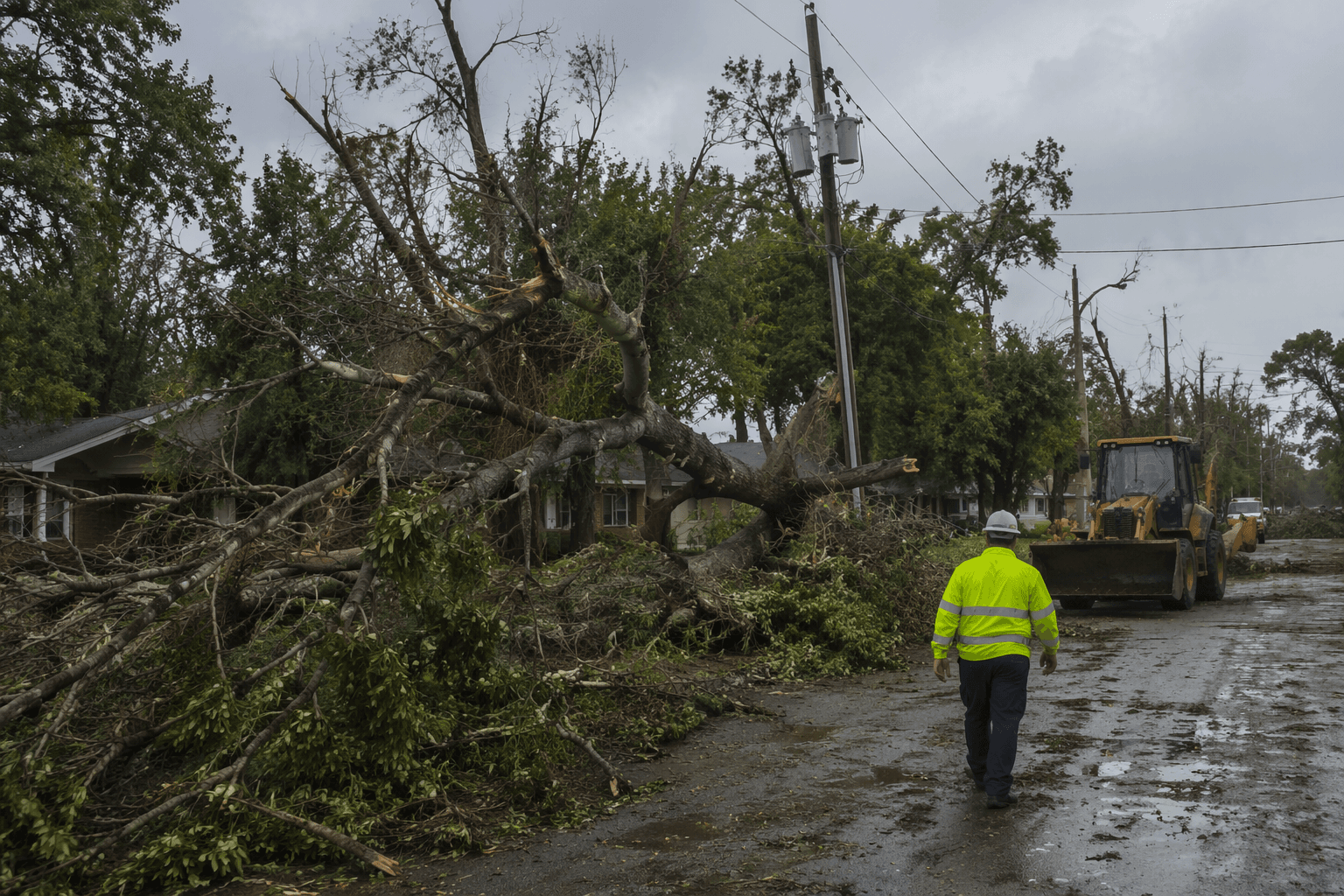
Richardson’s local state of disaster gave city leaders a formal tool to speed recovery after severe weather left more than 300 calls about blocked streets and alleys and knocked out power for about 26% of customers by 5 p.m. on May 29. Mayor Bob Dubey signed the declaration that day, giving the City of Richardson more flexibility to coordinate crews, open contracts and push the cleanup with the urgency the damage demanded.
The declaration was not a promise that everything would be fixed at once. It did not immediately erase debris, reopen every road or deliver automatic federal money to every household. What it did unlock was a more organized response: the city could move faster on debris contracts, seek federal financial assistance, waive some permit fees and extend inspection hours. FEMA assistance became available only to eligible homeowners and renters in Dallas and Collin counties who applied and were approved.
Richardson’s storm-debris plan was built in three phases. Phase I cleared streets and critical facilities within up to 72 hours so emergency vehicles and residents could get through. Phase II moved into curb-to-curb cleanup. Phase III handled neighborhood debris removal, with city-contracted crews scheduled to start on June 3. The city also opened the police department around the clock as a cooling and charging station, while recreation centers, the senior center and the library were available during normal hours for residents needing a place to cool off or recharge devices.
City officials were already tracking a massive cleanup. Richardson estimated the storm generated about 150,000 tons of debris, and by June 13 contractors had collected more than 53,000 tons. The city later revised the estimate upward to 250,000 cubic yards of vegetative debris, then said the total eventually exceeded 260,000 cubic yards, nearly four years of normal Brush and Bulky Item Collection service. A later city update put the debris-removal cost estimate at roughly $4.33 million to $5.0 million.
The Richardson City Council later continued the disaster declaration to keep the recovery machinery moving. Across North Texas, Dallas County Judge Clay Jenkins had already issued a disaster declaration on May 28, and Oncor said the storm ranked among the worst in its 112-year history for outages, with more than 650,000 customers out at the peak and about 117,000 still without power on May 30. For Richardson, the next 72 hours were about clearing access first, then widening the cleanup block by block until the city’s streets, alleys and neighborhoods could catch up with the damage.
This article was produced by Prism’s automated news system from verified source data, official records, and press releases, then run through automated quality and moderation checks before publishing. The system is built and supervised by the people who set the standards it runs under. Read our full AI policy.
Did this article answer your question?