Richardson proposes $1.9 million for traffic signals and intersection upgrades
Eight Richardson intersections are set for signal accessibility upgrades as the city keeps a $1.9 million mobility budget steady for 2026-27.

Richardson’s next round of mobility work is aimed less at new construction than at the daily friction drivers, parents and cyclists feel at intersections, school crossings and neighborhood streets. Transportation and mobility director Mark Nelson proposed a $1.9 million budget for fiscal year 2026-27 at the June 15 City Council meeting, keeping spending about even with the previous year.
The plan spreads the money across traffic-signal work, intersection capacity improvements, trail extensions, streetlights, school zones, signs, pavement markings and bike lanes. The clearest changes for residents will come at eight intersections where the city plans to replace signals with accessibility upgrades, a move that should improve crossings and make equipment easier to use for people walking or rolling through the area.
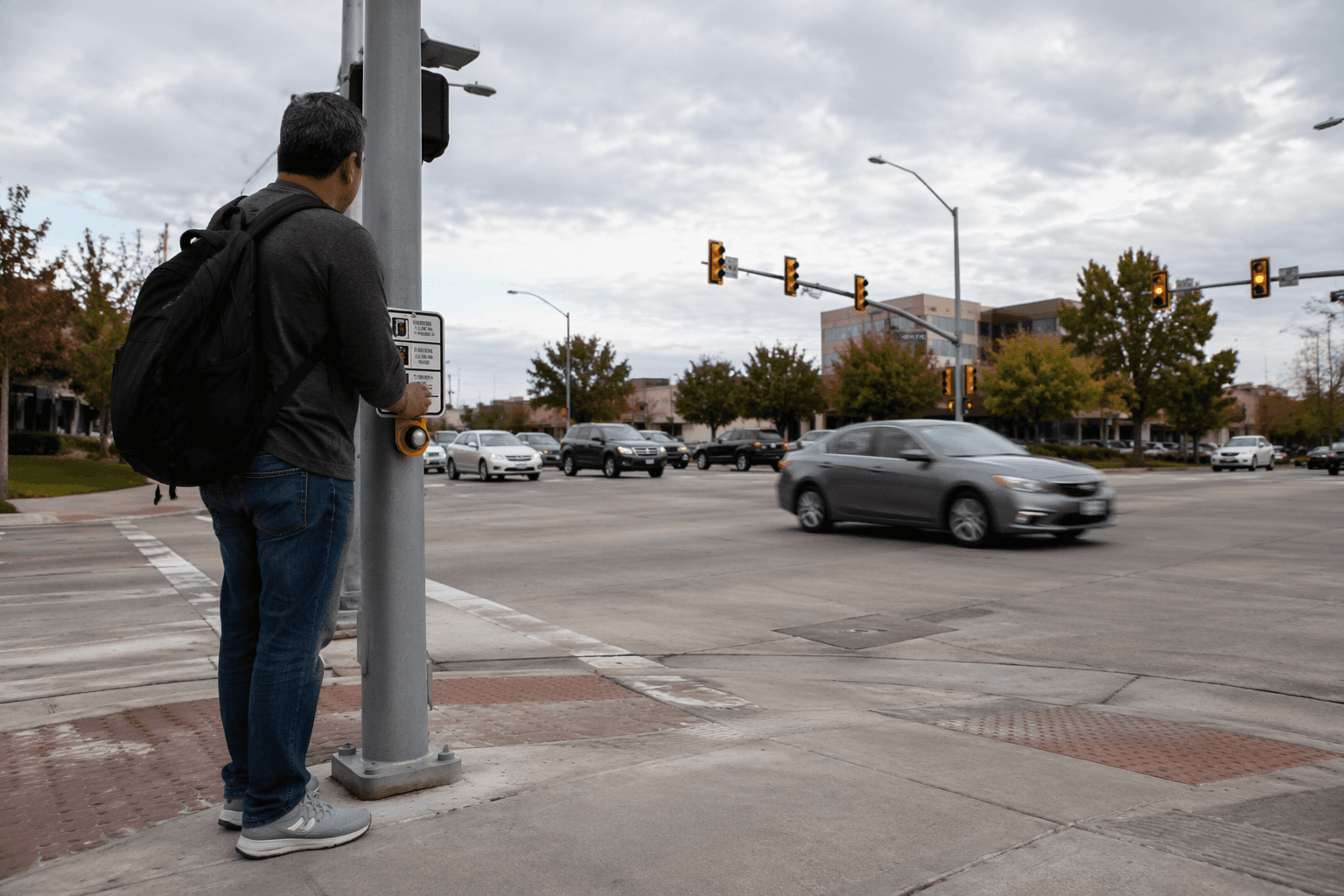
Nelson also outlined eight additional signal projects that will move into the design phase, extending the city’s pipeline of intersection work beyond the immediate replacements. At the same time, Richardson will begin updating school-zone flashers across the city, a detail that has direct consequences for morning drop-offs and afternoon pickup traffic near campuses where timing and visibility matter most.
Most of the budget will go toward signs and pavement markings, with additional money reserved for signals and street lighting. That may sound modest on paper, but the payoff is visible on the street: clearer lane guidance, more legible turn movements, better nighttime visibility and fewer surprises at busy corridors where drivers, buses and pedestrians all compete for space.
The spending level suggests Richardson is maintaining a steady infrastructure pace rather than launching a major new program. In a built-out city, that kind of work often determines whether school routes stay predictable, whether commute bottlenecks ease at key intersections and whether the city keeps pace with wear and tear on the network people use every day.
This article was produced by Prism’s automated news system from verified source data, official records, and press releases, then run through automated quality and moderation checks before publishing. The system is built and supervised by the people who set the standards it runs under. Read our full AI policy.
Did this article answer your question?