RISD drops block scheduling, saves $11.1 million in budget cuts
RISD will drop block scheduling in secondary schools, a move leaders say will save $11.1 million as budget cuts and enrollment losses squeeze classrooms.
Richardson ISD students will spend more of each day in class and less time on the alternating four-period rhythm when secondary campuses return to a traditional seven- or eight-period schedule in 2026-27, a shift district leaders said will save more than $11 million and reshape how families plan school days.
At an April 23 board workshop at the RISD Administration Building on South Greenville Avenue, Assistant Superintendent Jennie Bates said the district had used block scheduling, with students taking eight classes on alternating four-period days, since the 2020-21 school year. RISD switched to that model as a pandemic response to limit student transitions. Now, the district says a traditional schedule will bring more consistency, daily skill mastery and less time between classes, while also reducing the number of course sections it must staff and changing teacher assignments.
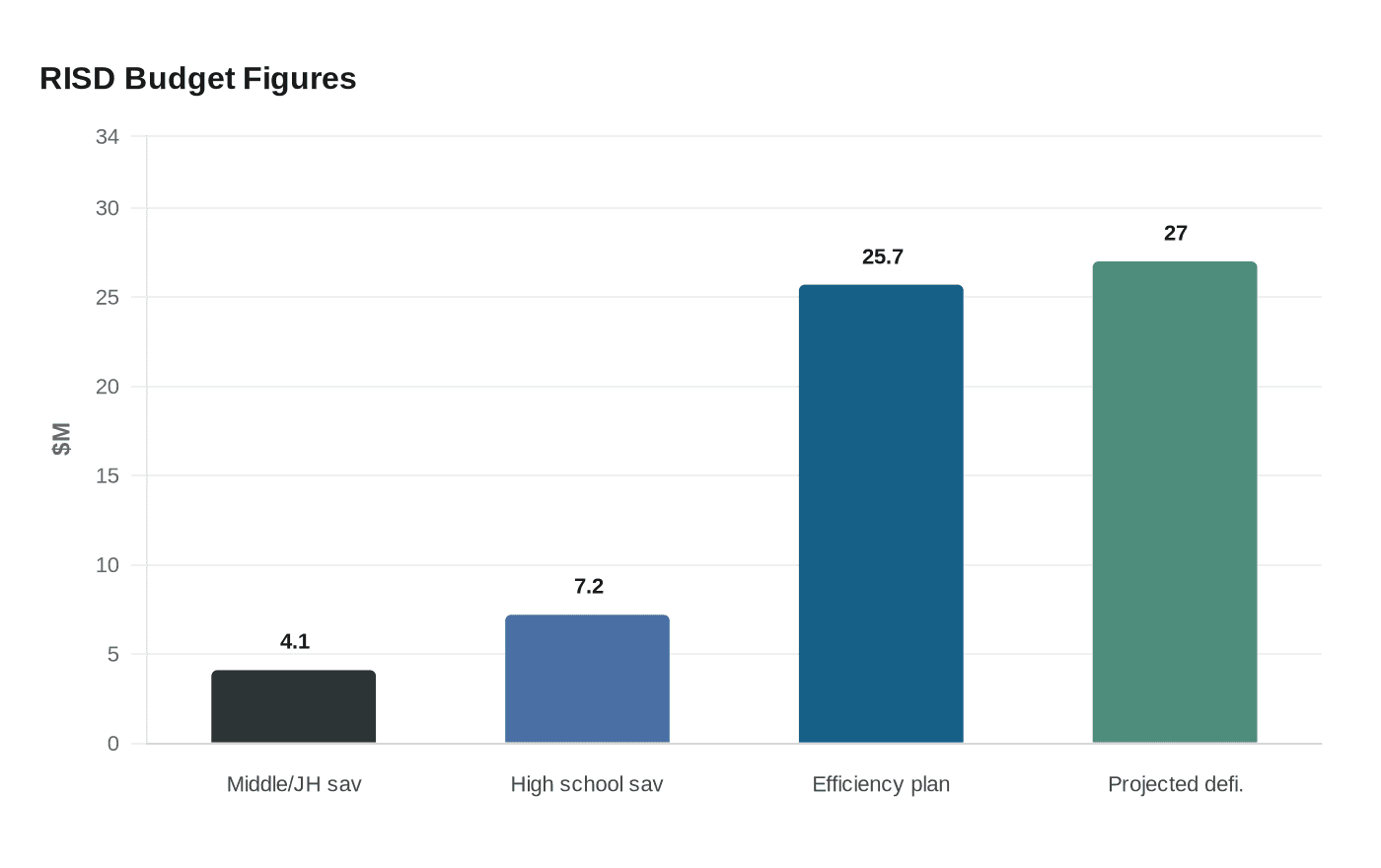
The board was told the move will save $4.1 million at middle schools and junior highs and $7.2 million at high schools. That makes the schedule change one of the largest pieces of a broader $25.7 million efficiency plan for 2026-27. RISD has also been weighing compensation options that would cost between $8.3 million and $10.8 million, a sign that the budget fight is still far from over.
Superintendent Tabitha Branum acknowledged the tradeoffs as the district tries to align staffing with falling enrollment and rising costs. RISD said enrollment has dropped 6.9% since 2019 and stood at 36,317 students in November 2025, while budget documents warned of a projected $27 million fund balance deficit at the end of fiscal 2025-26 and a possible $41 million deficit the following year without reductions. The April 2 budget presentation also called for about 95 full-time position reductions overall, although the district said impacted employees would still have jobs in RISD in 2026-27, possibly in different roles.
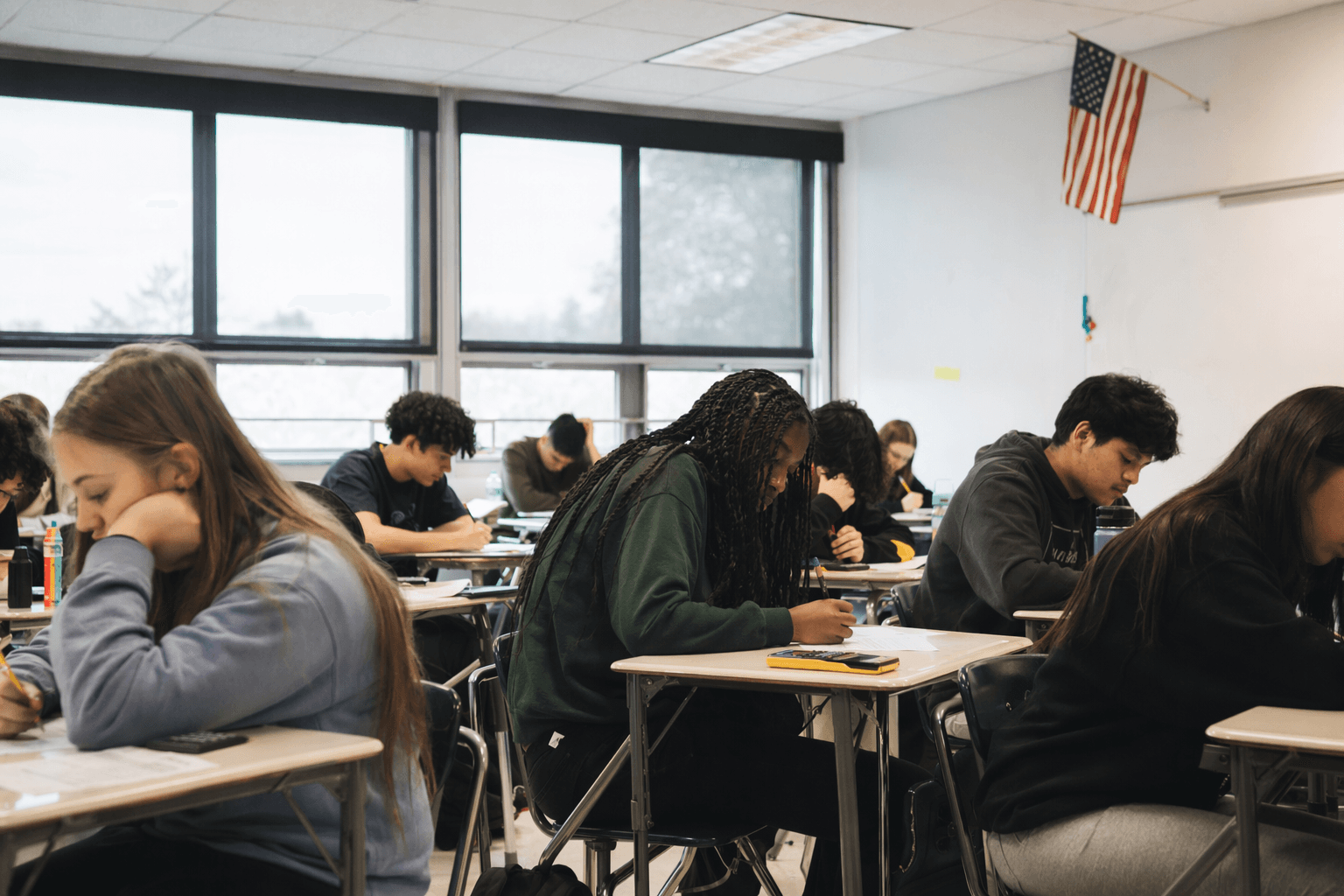
For students, the practical effect will be immediate: more class periods each day, shorter blocks of instructional time and a different pace for homework, labs and classwork. For families, extracurricular schedules, after-school pickups and course planning will all need to adjust when campuses move back to the familiar seven- or eight-period day. RISD said the decision followed a district subcommittee review of the block model and came after weighing the model’s benefits against the district’s long-term financial sustainability.
The scheduling change is part of a larger budget reset that also includes work on the district’s Algebra for All initiative and Bond 2025 updates at Apollo Middle School and Richardson North Middle School. RISD said it will send campus-specific details to middle school, junior high and high school families as it prepares for a transition that will change daily life in classrooms across the district.
This article was produced by Prism’s automated news system from verified source data, official records, and press releases, then run through automated quality and moderation checks before publishing. The system is built and supervised by the people who set the standards it runs under. Read our full AI policy.
Did this article answer your question?