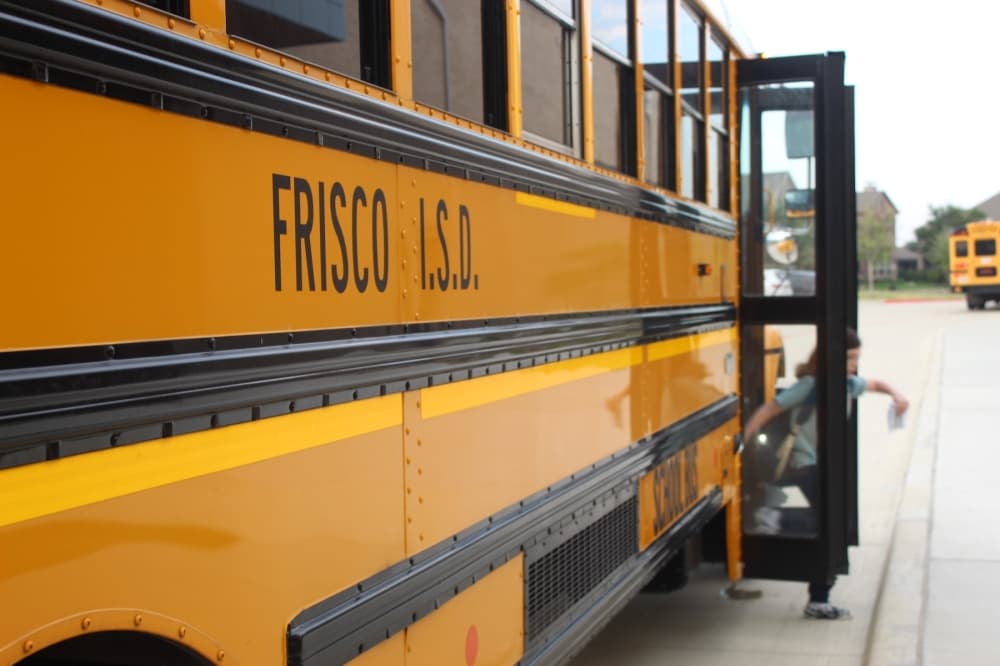
Special Education Demand Strains Collin County School Budgets
Late in 2025, local school districts saw a rise in students meeting criteria for special education services while facing persistent budget and staffing pressures. The mismatch between growing needs and limited resources has produced evaluation backlogs, classroom impacts, and increased docket items for school boards and local voters.
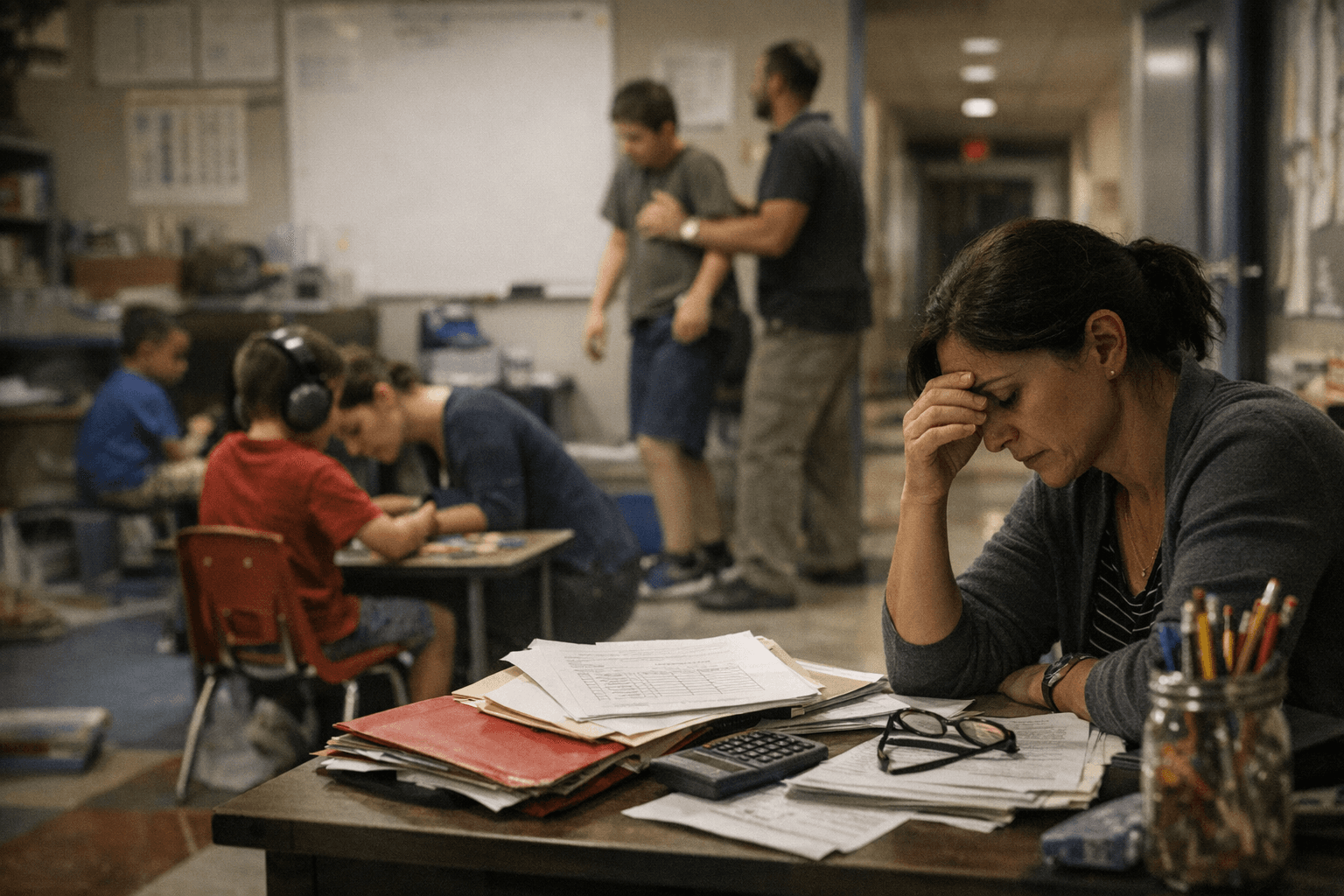
School districts serving Collin County residents experienced a notable increase in students identified for special education services as 2025 closed, compounding longstanding budget and staffing challenges. District leaders reported rising caseloads for specialized teachers and therapists at the same time that state and federal funding levels and formulas offered limited flexibility, leaving administrators to balance legal obligations with shrinking discretionary capacity.
Operational effects were immediate. Districts faced longer evaluation backlogs as demand for initial assessments and Individualized Education Program services outpaced available staff. Scheduling tradeoffs forced some schools to prioritize high-need evaluations and pull specialized personnel away from regular instruction, placing additional strain on general education classrooms. Parents and classroom teachers have reported more frequent reassignments, delayed services, and uneven access to speech, occupational, and behavioral therapies.
Budget consequences reached beyond special education departments. To meet federally mandated services, some districts reallocated one-time and discretionary funds, delayed capital projects, or pared back nonessential programs. Those choices created pressure points in areas such as afterschool programs, elective course offerings, and campus supports that rely on flexible local funding. Smaller districts and campuses with less reserve capacity were particularly vulnerable to sudden caseload increases.
Local responses included short-term prioritization strategies and regional collaboration. Districts implemented triage systems to address urgent evaluations first, adjusted caseload models for specialists, and expanded use of regional consortia to share therapists and itinerant teachers across districts. Administrators also stepped up outreach to state and federal policymakers seeking steadier, predictable funding streams to avoid repeated emergency reallocations.

The situation has clear policy and governance implications for Collin County. Funding formulas that do not scale with rising identification rates can shift costs to local taxpayers and force school boards into high-stakes budget decisions. Those governance choices are likely to surface in upcoming school board meetings and local elections, as voters weigh bond proposals, tax-rate adjustments, and candidate platforms that address staffing, special education capacity, and fiscal stability.
For families and community members, the immediate concerns are concrete: timely evaluations, consistent therapy, and classroom stability. Parents, educators, and voters in Collin County will need to engage with school boards and district leadership to monitor service timelines and budget allocations. Greater civic participation will be essential if districts are to secure the sustained funding and staffing solutions required to meet legal obligations and maintain educational quality.
Know something we missed? Have a correction or additional information?
Submit a Tip