Wylie Council to Revisit Stonehaven House Proposals After Executive Session
Wylie City Council discussed competing proposals for the Stonehaven House after an executive session produced no action; the outcome will affect preservation and future use.
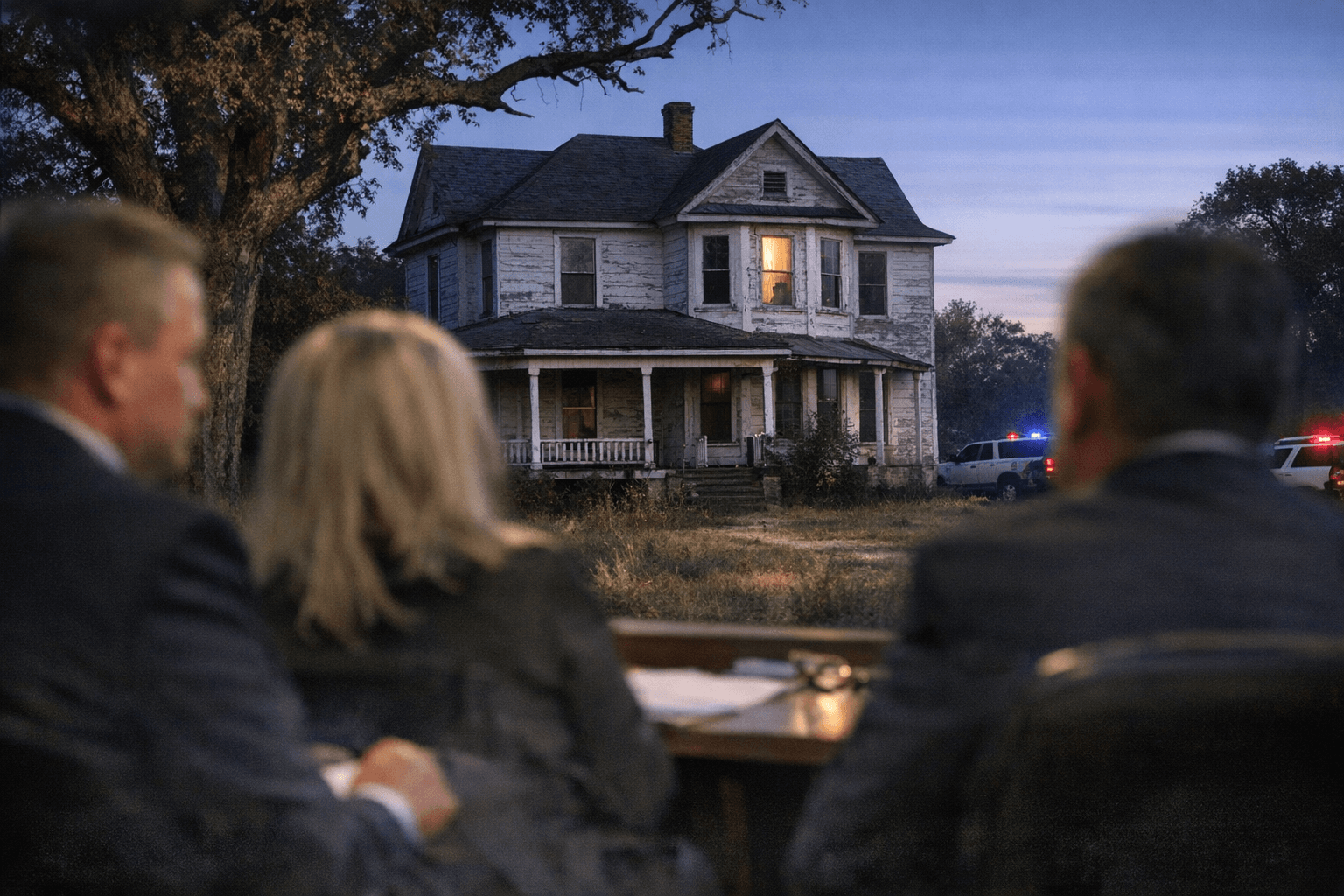
The Wylie City Council will revisit competing proposals for the century-old Stonehaven House after members met in executive session and left the item without a decision. Council first reviewed proposals at a December work session and discussed the matter in closed session on Jan. 13; the item was slated to return to the Jan. 27 council meeting for further consideration.
Stonehaven House, built in 1912 and designated a Recorded Texas Historic Landmark, sits at 1450 S. Ballard Avenue on land that once formed part of Stone family acreage. The house was moved roughly 400 feet in 2016 to accommodate road widening while preserving its landmark status, and the relocation remains central to questions about the structure’s long-term stewardship.
Council members and staff have described competing proposals for the property, but no action followed the executive session. Outstanding issues that brought the item back to the council agenda include who will be responsible for preservation and restoration costs, what standard of rehabilitation will be required to maintain landmark status, and what future uses the city should permit for the property. Those questions have implications for municipal budgets, local historic preservation priorities, and public access to a site with ties to Wylie’s early 20th-century development.
The center of the debate is administrative and financial. Preservation advocates emphasize the cultural and educational value of maintaining Stonehaven House as a community asset. City officials must weigh those values against fiscal responsibilities and regulatory obligations tied to the Recorded Texas Historic Landmark designation. The prior 2016 relocation to allow Ballard Avenue roadwork underscores how infrastructure projects and historic preservation can collide, forcing trade-offs that affect traffic planning and the built environment.
For residents of Collin County, the council’s decision will influence neighborhood character near South Ballard Avenue and set precedents for how Wylie handles other historic properties facing development pressure. The choice also has practical consequences for taxpayers if the city accepts ownership or assumes funding commitments for restoration and long-term maintenance.
The council’s next public discussion of Stonehaven House will occur at the Jan. 27 meeting, when members are expected to take up the competing proposals again. Residents who care about local history, municipal spending, or the future of South Ballard Avenue should follow the council agenda and consider participating in the public meeting process. The council’s direction on Stonehaven House will shape how Wylie balances preservation and growth in the years ahead.
This article was produced by Prism’s automated news system from verified source data, official records, and press releases, then run through automated quality and moderation checks before publishing. The system is built and supervised by the people who set the standards it runs under. Read our full AI policy.
Did this article answer your question?