Wylie ISD Balances Expansion, Deficit, and Rising Teacher Pay
Wylie Independent School District closed 2025 having managed campus expansion, a $9.5 million budget shortfall and leadership turnover while maintaining high academic ratings and extracurricular success. The district’s fiscal and staffing choices will shape classroom capacity, local labor markets and property demand across eastern Collin County as enrollment continues to grow.
Wylie ISD ended the year confronting competing priorities: rapid growth in the district’s eastern sector, a significant prior-year budget deficit and successor leadership while earning strong academic marks and continued student achievement. Trustees approved attendance-boundary changes in January to reflect Kreymer Elementary, which opened and was dedicated in August, and to prepare for two additional campuses, an intermediate and a junior high, slated to open in fall 2026. The naming process for the new schools drew more than 730 public submissions, underscoring community engagement during expansion.
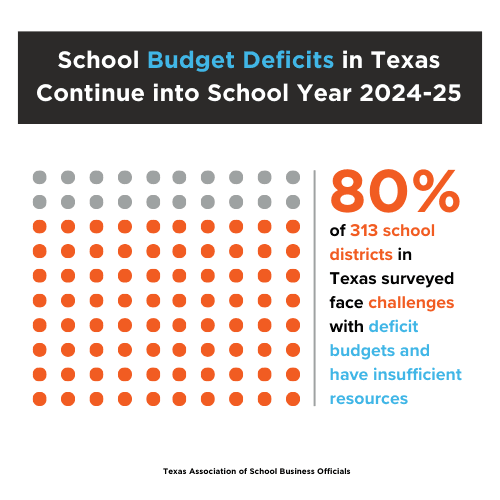
Financial management emerged as a central challenge. District leaders disclosed a $9.5 million deficit from the prior fiscal year and launched the Achieving a Zero Deficit Initiative, pursuing conservative budgeting and cost-saving measures aimed at restoring balance by the 2026-27 school year. Trustees adopted a compensation package that incorporated state-mandated teacher raises and added 3 percent increases for non-teaching staff. Starting teacher pay was set at $62,070, a figure intended to bolster recruitment and retention as the district competes in a tight local labor market.
Academic and extracurricular performance remained a bright spot. The Texas Education Agency rated Wylie ISD overall A for 2022-23, with high marks for student achievement and closing achievement gaps. Students continued to earn All-State and ensemble honors, and the district reported ongoing strength in fine arts, career and technical education and other extracurricular programs. Those outcomes support the district’s standing in families’ school choice calculations and can influence local housing demand and community investment.

Leadership changes also marked the year. After Superintendent David Vinson became a finalist for another district’s top job, the board appointed Kim Spicer as acting superintendent and subsequently named her lone finalist before approving her hiring in October. Trustees emphasized fiscal stewardship throughout these transitions and signaled limited open-enrollment options as a policy lever to manage capacity without exacerbating budget pressures.
For Collin County residents, the combination of expansion and fiscal tightening means decisions about class sizes, program funding and enrollment policies will affect neighborhood schools and local services over the next two years. Economically, competitive starting pay and a clear plan to eliminate the deficit seek to stabilize staffing costs and preserve academic quality, but the district will need to sustain conservative budgeting as it scales facilities to meet eastern growth. With the district targeting a balanced budget by 2026-27 and two new campuses opening in fall 2026, families and local officials will be watching enrollment trends, spending trade-offs and hiring outcomes closely in 2026.
This article was produced by Prism’s automated news system from verified source data, official records, and press releases, then run through automated quality and moderation checks before publishing. The system is built and supervised by the people who set the standards it runs under. Read our full AI policy.
Did this article answer your question?