Camp Hood exhibit ties Coryell County history to America 250
Camp Hood’s story is still Coryell County’s story, and a museum stop in Gatesville shows why its military roots matter to families today.
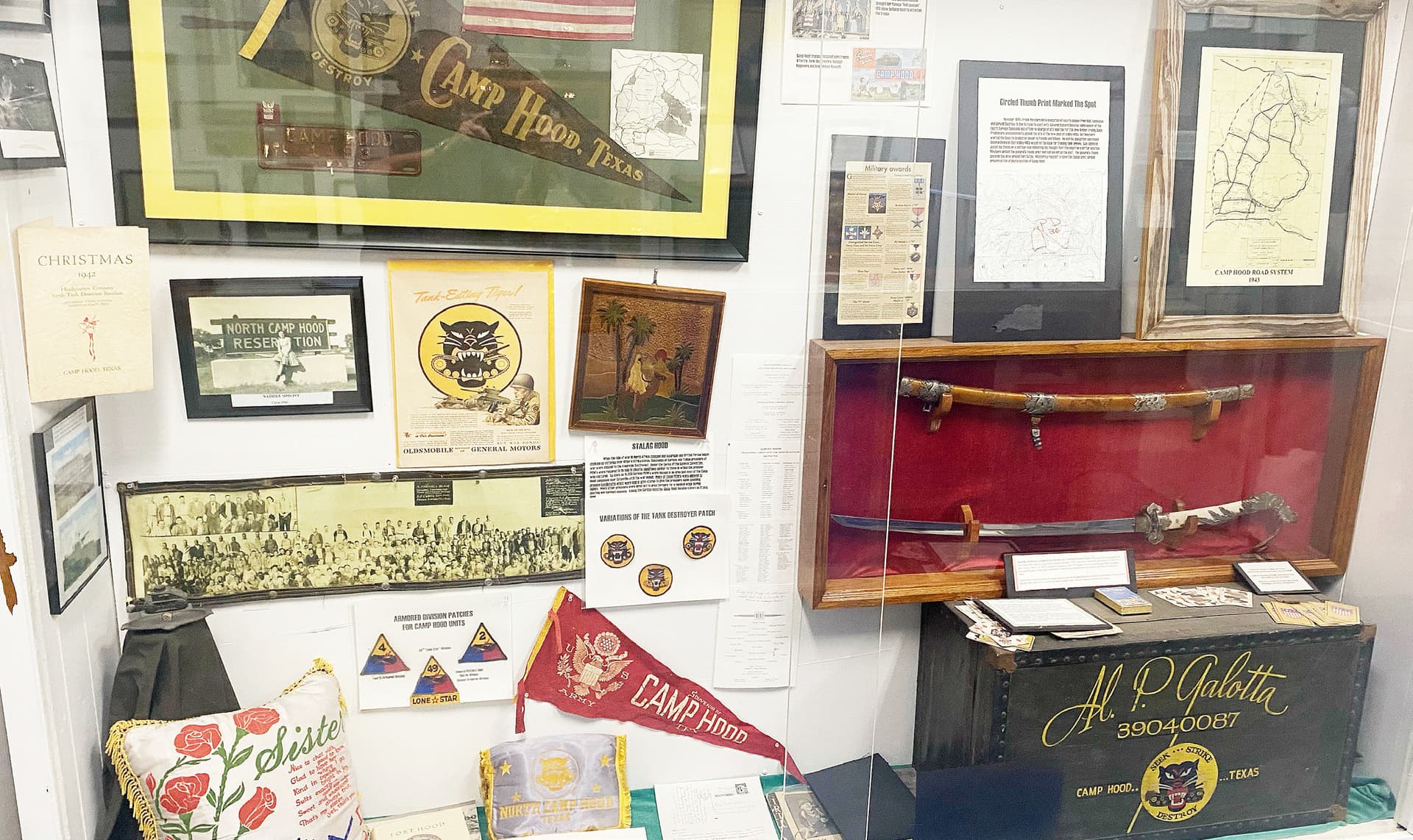
A Camp Hood exhibit at the Coryell Museum and Historical Center turns Coryell County’s military past into something residents can see, walk through, and hand down. Framed by America 250, the display ties local memory to the larger story of national defense, service, and the county’s identity in Central Texas.
Why Camp Hood still matters now
The point of the exhibit is not nostalgia for nostalgia’s sake. Camp Hood has long been one of Coryell County’s defining connections to the military, and that presence has shaped more than a historical timeline. It has influenced regional development, jobs, families, transportation patterns, and the way the community understands itself.
That is what makes the America 250 angle fit so naturally in Gatesville. The exhibit places a local post and a county museum inside a national conversation about what has held the country together for 250 years, and military service is part of that answer. In Coryell County, that idea is not abstract. It is tied to land, institutions, and generations of residents who grew up around the post’s influence.
What you can see at the museum
The Coryell Museum and Historical Center is the place to go if you want the clearest public view of that history. The military exhibit contains historical memorabilia, and one of its focal points is a display case devoted to the history of the North Camp Hood Reservation. That case gives the story a specific anchor, turning a broad military legacy into a concrete local exhibit.
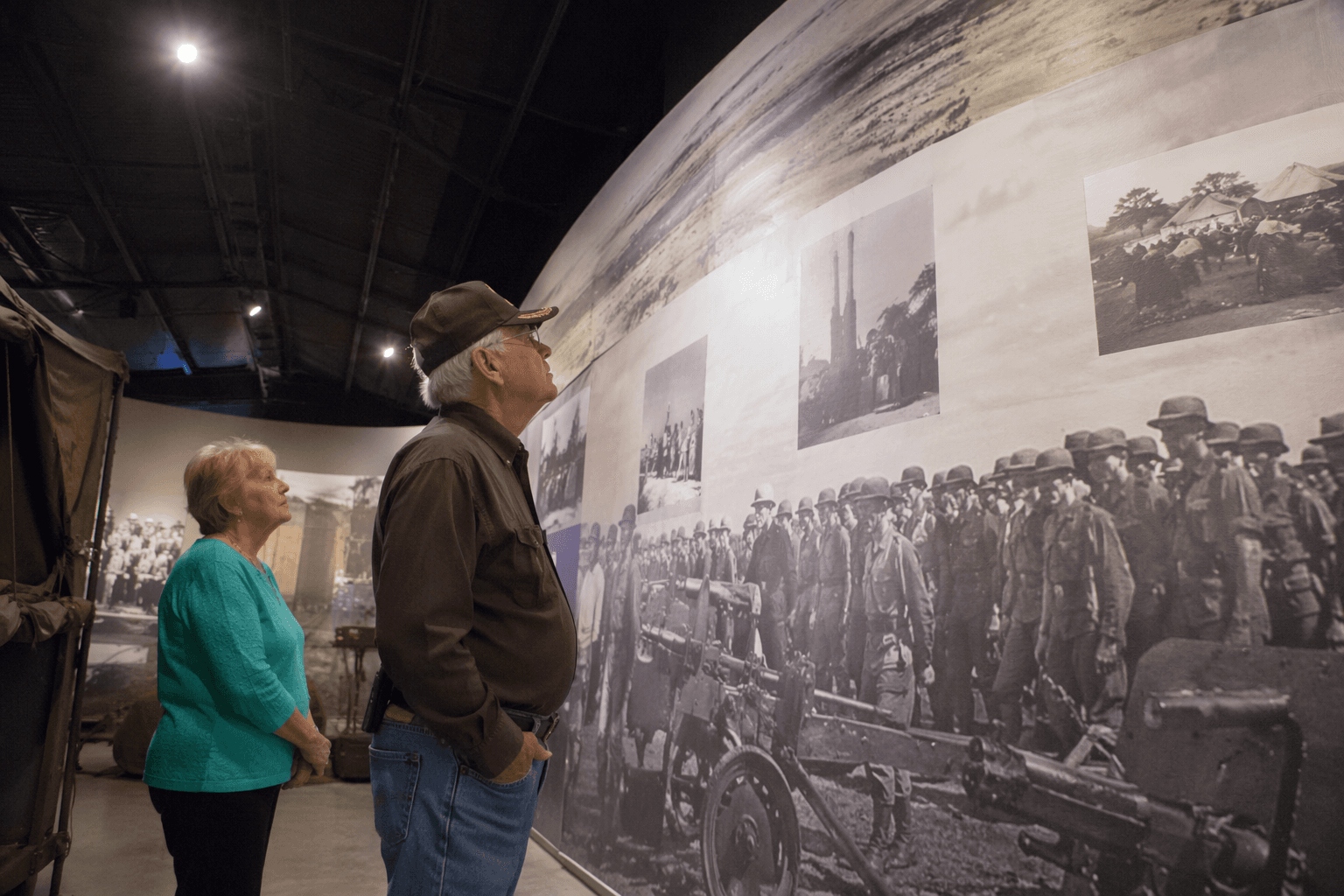
That matters because exhibits do more than preserve objects. They preserve context. A display case like this lets visitors connect names, places, and artifacts to the deeper story of how Camp Hood became part of the county’s public memory. For students, veterans, and longtime residents, that kind of visible history is often the most direct way to understand how the post shaped the county around it.
How the county’s military story reaches beyond the post
Camp Hood’s influence did not stop at the fence line. The military activity around it helped shape the county’s growth and the daily patterns that followed, from where people worked to how they moved through the area. Those effects are part of why the exhibit matters now: it is not only about what happened at the post, but about how the post changed life across Coryell County.
Families still trace part of their identity to that presence. So do residents who remember the post as part of the rhythm of local life, and veterans who see the exhibit as a reminder that service left its mark well beyond active duty. The military story also connects to civic institutions like the museum itself, which keeps those records and objects available when everyday memory starts to fade.
Why the America 250 angle gives the exhibit extra weight
America 250 is not just a national anniversary banner. In Gatesville, it becomes a reason to look again at how local history fits inside the larger American story. The exhibit makes the case that Coryell County’s past is not separate from the country’s past, because the military presence at Camp Hood helped link this place to the national defense effort in a lasting way.
That broader framing also gives the museum visit a clear educational purpose. The message is that the nation’s long survival has depended in part on military service and sacrifice, and that lesson belongs in a county museum as much as it does in a classroom. By placing Camp Hood in that context, the exhibit turns a local display into a way to understand citizenship, service, and the institutions that have carried the country through 250 years.
Who should make time for the exhibit
The exhibit speaks to several groups at once. Families can use it to connect younger generations to the county’s roots. Students can see how a military post affected the place where they live. Veterans can recognize the service tradition that shaped the region. Longtime residents can revisit a chapter of county history that still shapes the present.
The timing gives the visit extra resonance during the holiday week, when service and nationhood are already part of the public conversation. A stop at the Coryell Museum and Historical Center offers something practical as well as reflective: a chance to spend time downtown, step into a civic institution, and see how Camp Hood remains part of Coryell County’s living identity.
The exhibit’s value lies in that combination of memory and relevance. It keeps the county’s military history in view, not as a closed chapter, but as one of the reasons Coryell County still knows itself the way it does today.
This article was produced by Prism’s automated news system from verified source data, official records, and press releases, then run through automated quality and moderation checks before publishing. The system is built and supervised by the people who set the standards it runs under. Read our full AI policy.
Did this article answer your question?