Century-old photo sparks new questions about Black history in Coryell County
An unidentified man beside the Coryell County courthouse is forcing a closer look at Lincolnville, Bethlehem Baptist Church and other lost Black stories in Gatesville.
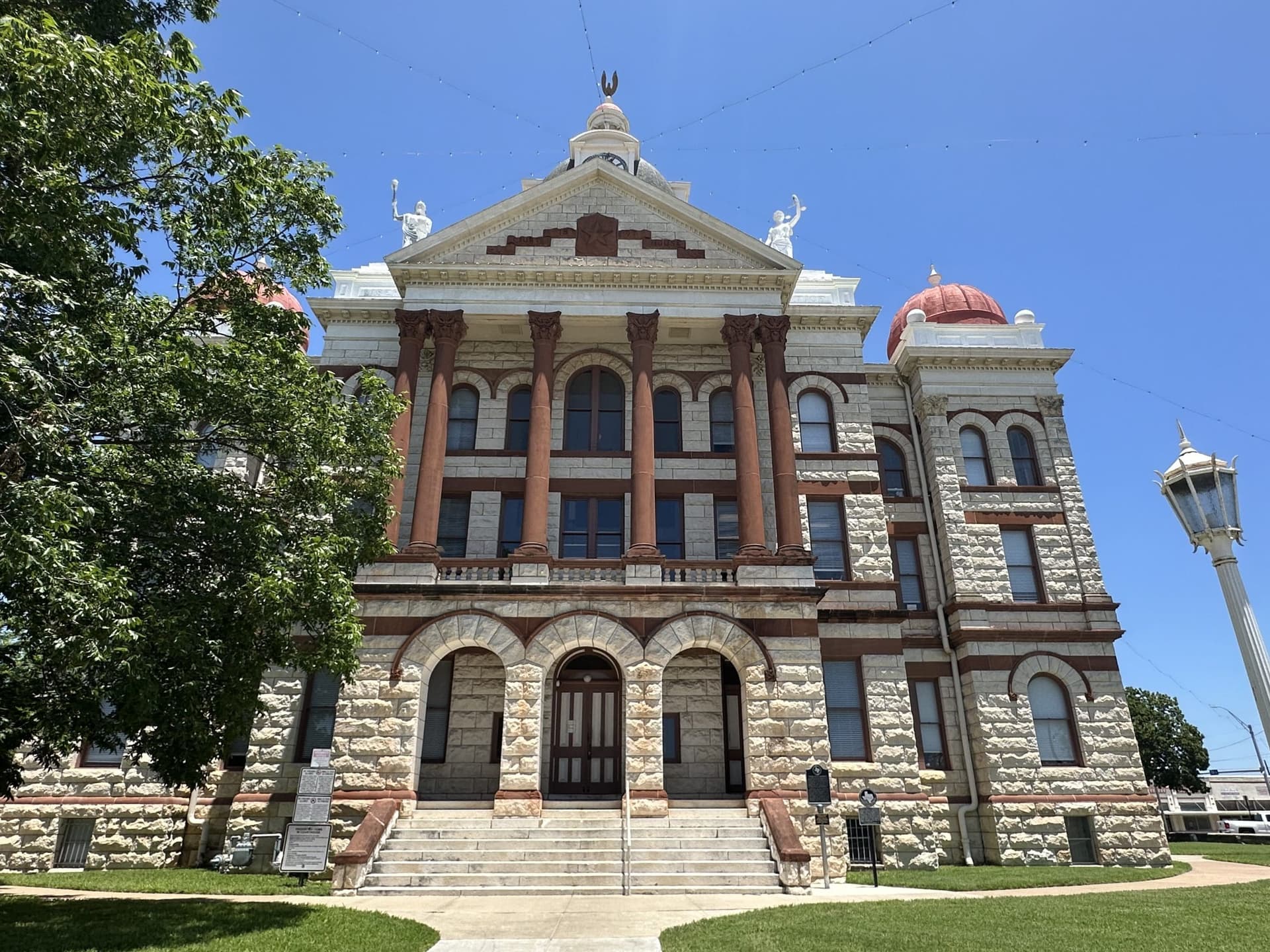
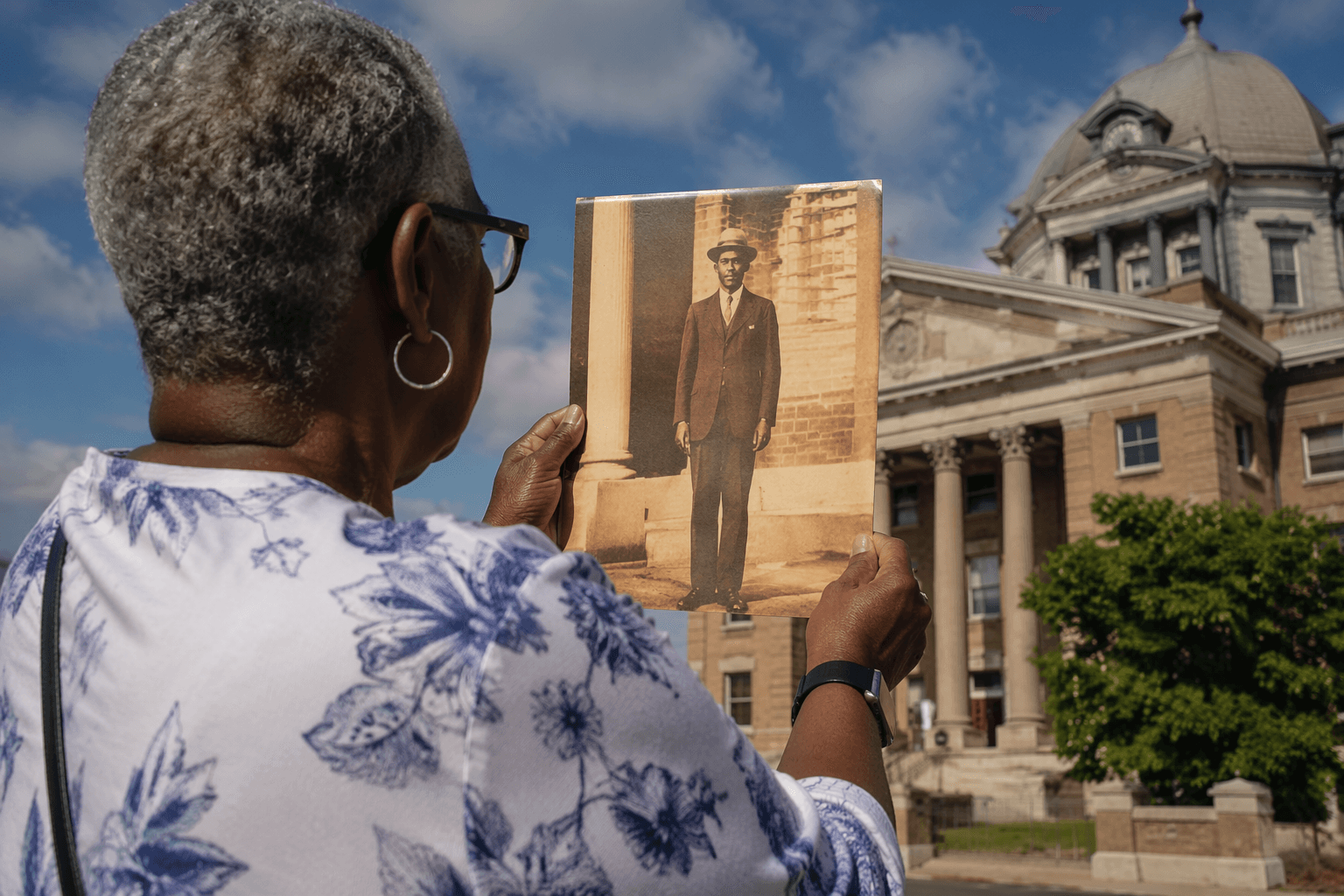
A century-old photograph found at the Coryell Museum and Historical Center is pressing Coryell County to confront how much of its Black history was never fully recorded. The image shows an African-American man standing outside the historic Coryell County Courthouse in Gatesville, with a chuck wagon behind him, and historians say the man may have ties to Lincolnville, the freedmen’s community west of town.
The courthouse in the photo still anchors downtown Gatesville today. Coryell County says the building was constructed in 1897-98 and remains in use, making the image a rare bridge between the county seat’s present-day civic center and the lives of people who moved through Courthouse Square more than a century ago. The photograph’s value lies partly in its uncertainty: the man’s name may never be known, but the scene captures a Black presence in a county history that has often been told without enough detail about who lived, worked and built community here.
That gap leads directly to Lincolnville. The Texas State Historical Association says the community sat on the Leon River about four miles west of Gatesville and was established by formerly enslaved people from Gatesville shortly after the Civil War. The Texas Almanac adds that Lincolnville residents organized Bethlehem Baptist Church on April 10, 1872, and identifies early families including Jim and Lou Cook Mayberry, Gus Weatherly, Green and Fannie Cook Brown, and Jim and Mollie Snow. Those names help flesh out a community that was real, organized and rooted in family, faith and land.
The history around Moccasin Bend adds another layer. A 2017 historical-marker account said John Walker Mayberry, Coryell County’s largest slaveholder in 1865, allowed formerly enslaved people to remain on part of his land, helping form the settlement that became Lincolnville. Baylor Institute for Oral History materials also preserve interviews on “Lincolnville at Moccasin Bend: Black Families on the Texas Frontier,” showing that much of this story survives through memory as well as archives.
That is why the photograph matters now. It does more than preserve one unidentified face at the courthouse; it opens a path to recover the names of churches, schools, neighborhoods and burial sites that never made it into the county’s polished public record. Museum staff are asking anyone with family ties to Gatesville, Lincolnville or Coryell County to come forward if they recognize the man or have documents, photographs or stories that could connect him to living descendants.
This article was produced by Prism’s automated news system from verified source data, official records, and press releases, then run through automated quality and moderation checks before publishing. The system is built and supervised by the people who set the standards it runs under. Read our full AI policy.
Did this article answer your question?