Coryell Museum blacksmith shop exhibit preserves early Gatesville history
A blacksmith shop exhibit at Coryell Museum links Gatesville’s horse culture, lumber trade and immigrant craftsmen to the town’s downtown history.
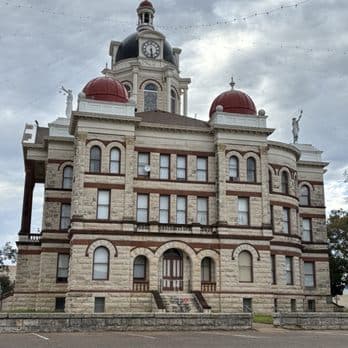
The blacksmith shop at the Coryell Museum and Historical Center offers more than a look at old tools. It shows how Gatesville moved before cars, when horses had to be shod, wagons needed repair and local trade depended on skilled hands keeping daily life on track. Set just off the 1897 courthouse square at 718 E Main St. in Gatesville, the exhibit turns early work into something visitors can still see up close.
A shop that still explains how Gatesville functioned
The display fits neatly into the museum’s larger mission to tell “the story of Texas” through exhibits drawn from centuries of state history. That broader approach matters in Coryell County because the blacksmith shop is not isolated as a relic. It sits alongside a soda fountain, hair salon, apothecary, Buckhorn Saloon and antique Model Ts from 1915 and 1923, which together trace the shift from hand-built, horse-powered life to the early automobile age.
What makes the blacksmith room especially effective is the way it preserves practical history. In the days before paved roads and routine motor traffic, blacksmiths kept local travel moving. Their work touched ranching, hauling, farm life and town commerce, which means the exhibit speaks to far more than one trade. It shows the physical labor that supported the county’s early economy.
The saddle that ties the exhibit to local business history
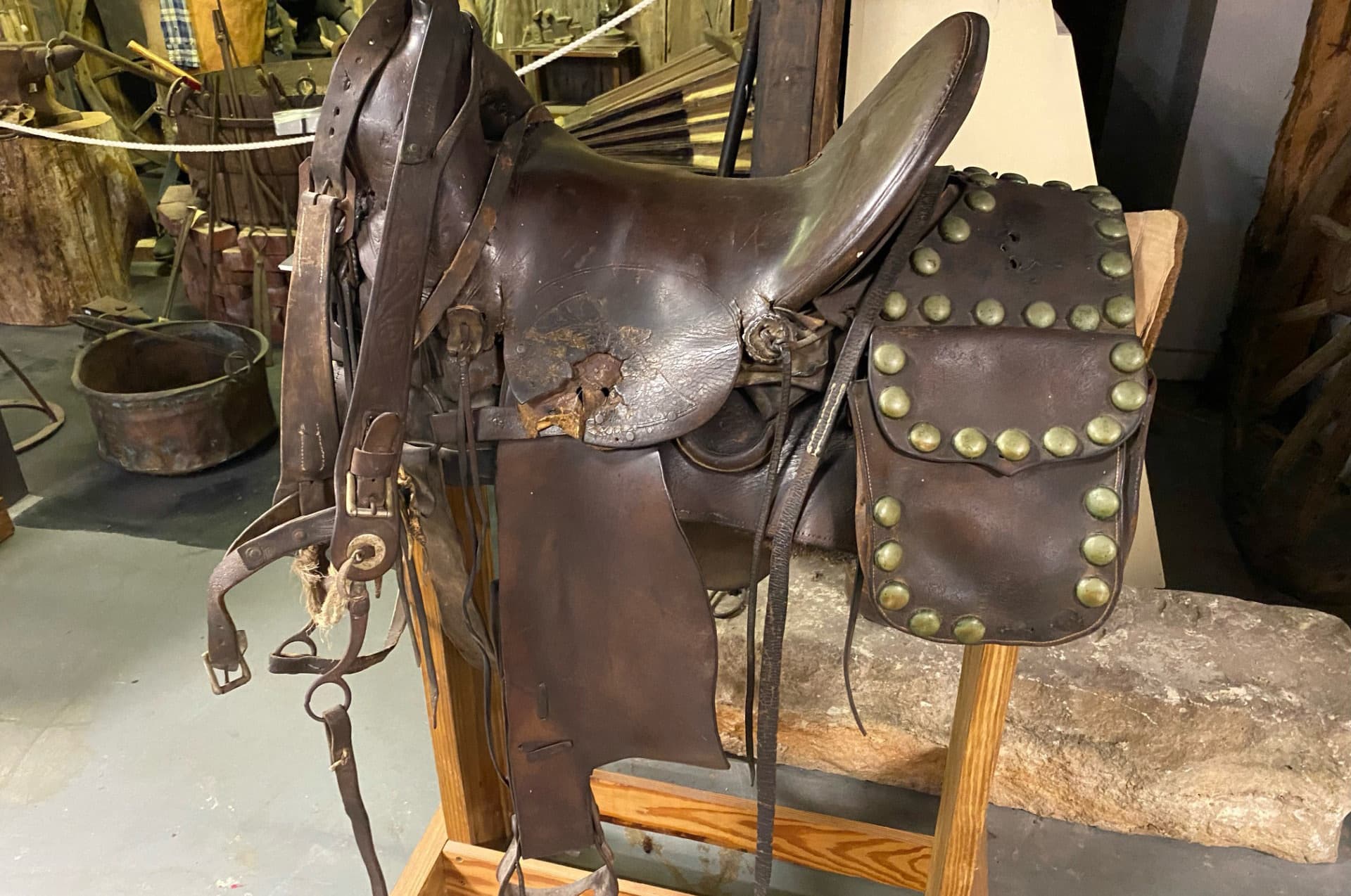
In front of the blacksmith display sits a saddle once owned by John Ross Graham, the owner of the Graham Lumber Company in Gatesville. That single artifact widens the story beyond horses and ironwork. It connects the exhibit to one of the local businesses that helped shape the town’s economy and to the people who moved between ranching, commerce and daily travel.
The Graham name gives the display another layer of meaning. Family-history sources identify John E. Graham as John Ross Graham, born Jan. 3, 1866, and dying Dec. 23, 1948, in Gatesville. Other Graham family histories describe the family as giving land for a church house, a school house and a cemetery, later associated with another cemetery known as the Graham Cemetery. Taken together, those details make the saddle more than a museum piece. It becomes a link between a family’s business footprint and its role in building community institutions.
A local trade with roots in migration and settlement
The blacksmith exhibit also helps tell the story of who built Gatesville. An earlier Gatesville Messenger feature named blacksmiths in town as Daniel McCarty from Virginia, Henry Albert from Germany, M.D. Robinson from Tennessee, J.C. Taffender from England and John Sexton from Arkansas. Those names show that the trade drew workers from across the United States and from abroad, making the shop a useful window into the county’s immigrant and migrant labor history.
The exhibit itself was created from a shop established in the Ewing community southeast of Gatesville. That origin matters because it gives the display a real provenance rather than a reconstructed feel. Visitors are not looking at a generic blacksmith scene. They are standing in front of a preserved piece of Coryell County history that once served a specific community and a specific way of life.
Why the exhibit still matters now
For families, students and newer residents, the blacksmith shop helps explain the town they live in by showing how much of early life depended on trades that no longer sit in the center of daily routines. Shoeing horses, hauling goods and maintaining equipment were not side notes to history. They were the mechanics of survival and growth in an era when transportation and commerce moved at a different pace.
That is why the exhibit remains relevant in a county where many people know Gatesville mainly as a courthouse town and county seat. The museum gives the community a place to hold onto memory in a tangible way, with objects that make it easier to picture how work, travel and local business once fit together. The display is small, but its value lies in how directly it connects modern visitors to the people who shaped the town’s early identity.
Part of a larger heritage stop in downtown Gatesville
The Coryell Museum and Historical Center is located just off the historic courthouse square, which puts the blacksmith exhibit within easy reach of downtown Gatesville. Texas Time Travel notes that the museum also includes a double-walled log jail and a large collection of spurs, along with memorabilia from the county’s churches, schools and businesses. That broader collection helps place the blacksmith shop within a fuller local narrative, where transportation, work and public life are all part of the same story.
The museum’s own spur collection adds another layer. It highlights the Lloyd and Madge Mitchell world’s largest spur collection, tying the blacksmith display to the riding culture that shaped ranch life across Coryell County. Spurs, saddles, blacksmith tools and early vehicles all belong to the same historical chain: how people worked, moved and dressed for the demands of the region.
A place where the past still has a calendar
The museum also ties its heritage displays to Spurfest, held every third Saturday in September. That annual event gives the blacksmith and saddle pieces a living connection to the county’s present-day calendar and keeps the museum anchored in community life rather than locked in the past. For local visitors, it is another reminder that the history in the blacksmith shop is part of an ongoing public story, not just a display behind glass.
At 718 E Main St., the Coryell Museum and Historical Center keeps Gatesville’s working history visible in a way that fits the town itself. The blacksmith shop, the Graham saddle, the spur collection and the older downtown setting all point to the same conclusion: Coryell County’s identity was built by trades, families and businesses that still deserve a place in the center of town.
This article was produced by Prism’s automated news system from verified source data, official records, and press releases, then run through automated quality and moderation checks before publishing. The system is built and supervised by the people who set the standards it runs under. Read our full AI policy.
Did this article answer your question?