Coryell Museum spotlights county history in small hallway exhibits
A narrow hallway at Coryell Museum connects Pat Neff, early telephones, and CCC work to the roads, park buildings, and civic history residents still see in Coryell County.
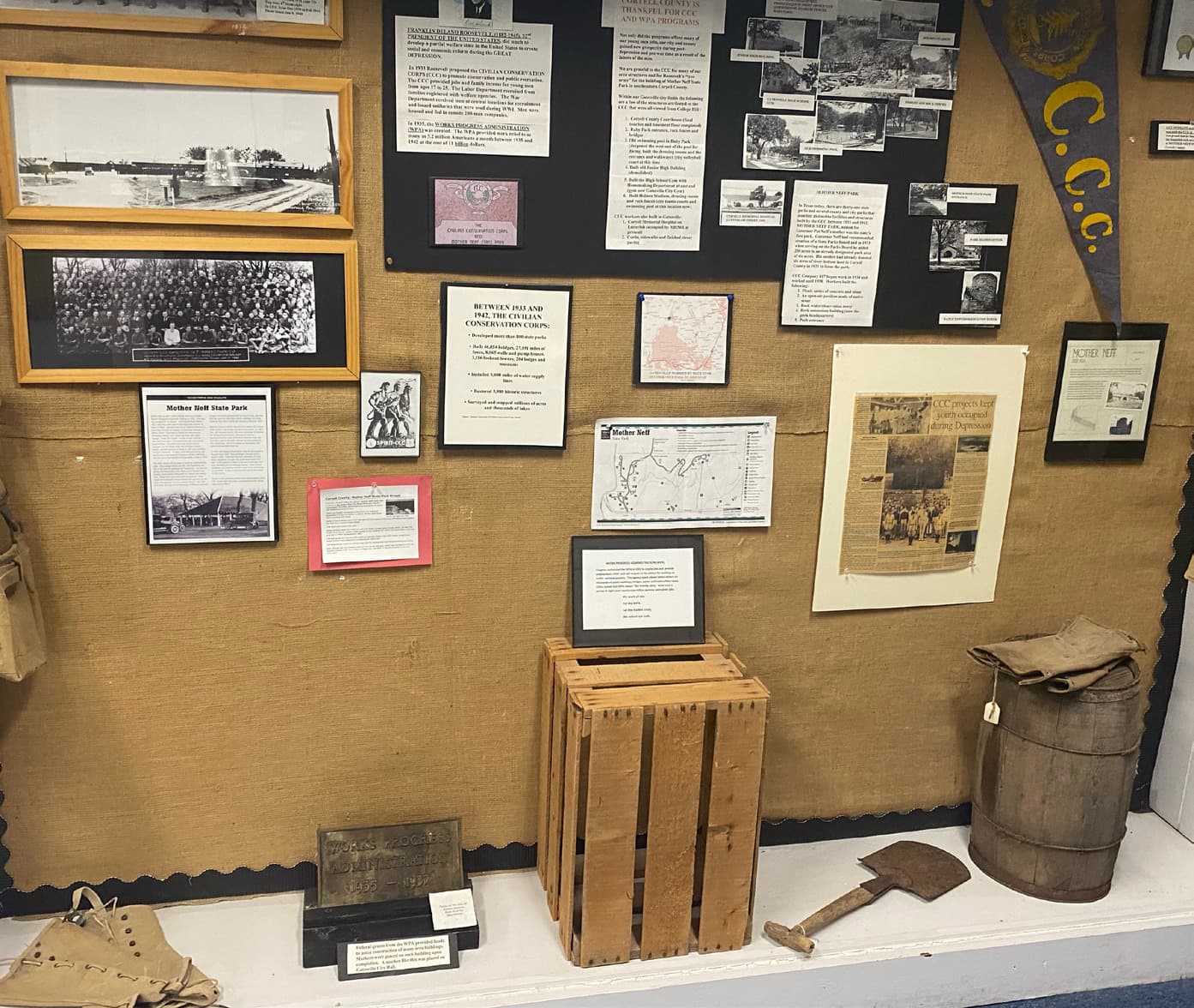
A narrow hallway at the Coryell Museum and Historical Center turns three small displays into a direct route through Coryell County's public life. Between the military exhibit and the school room exhibit, visitors pass Pat M. Neff, early telephone service, and Civilian Conservation Corps work that still points back to Mother Neff State Park and Gatesville.
Pat Neff's Coryell County roots reach far beyond a display case
The Neff panel carries the clearest local connection of the three. Pat Morris Neff was born in Coryell County on November 26, 1871, to Noah and Isabella Shepherd Neff, then went on to serve in the Texas House, become governor of Texas from 1921 to 1925, and later lead Baylor University from 1932 to 1947. That arc matters in Coryell County because it starts here, with a native son whose name remains attached to one of the county's best-known parks.
Mother Neff State Park makes that connection visible. Texas Parks and Wildlife says the park sits along the Leon River bottoms on land settled by Noah and Isabella Neff, and that Pat Neff named the site in honor of his mother after she proposed developing it as a state park. The hallway exhibit is therefore not just a biography. It points to a place county residents can still visit and a park identity that began with a Coryell County family.
The park itself also ties back to the New Deal-era work that reshaped the site. CCC Company 817 worked at Mother Neff State Park from 1934 to 1938, leaving behind park roads, culverts, a recreational pavilion or tabernacle, a concession building, a caretaker's dwelling, a lookout tower and water tank, pump houses, a drainage system, foot trails, fences, and picnic facilities. Those features are the kind of local infrastructure people move through now without always noticing how they were built.
Early telephones show how county communication changed
The hallway's telephone display reaches beyond Coryell County, but it helps explain why communication once mattered as a civic issue, not just a convenience. The Texas State Historical Association places one of the first major Texas telephone milestones on March 18, 1878, when Col. A. H. Belo had a line installed between his Galveston newspaper office and his home. The same account says some sources treat that instrument as one of the first 1,000 telephones installed nationwide.
From there, the pace of change was quick. TSHA says the first Texas telephone exchange opened on August 21, 1879, and that early switchboards were crude, with party lines common. That history makes the museum's switchboard and telephone collection easy to read in a new way: these were not quaint objects, but the hardware that once decided how fast a family, a business, or a public office could reach someone else.
For Coryell County visitors, that matters because the exhibit shows a break from the world of shared lines and manual connections to the modern expectation of instant contact. The collection helps explain why early communication systems shaped local commerce, news, and even emergency response long before cell towers and broadband became ordinary parts of daily life.
The CCC display ties local labor to county land and federal relief
The Civilian Conservation Corps panel brings the biggest social and economic story into the hallway. TSHA says Coryell County had two CCC camps, one at Mother Neff State Park and another at Gatesville for soil-conservation and brush-control work. That makes the display especially grounded in place: one camp helped build a park, and the other addressed the county's working landscape.
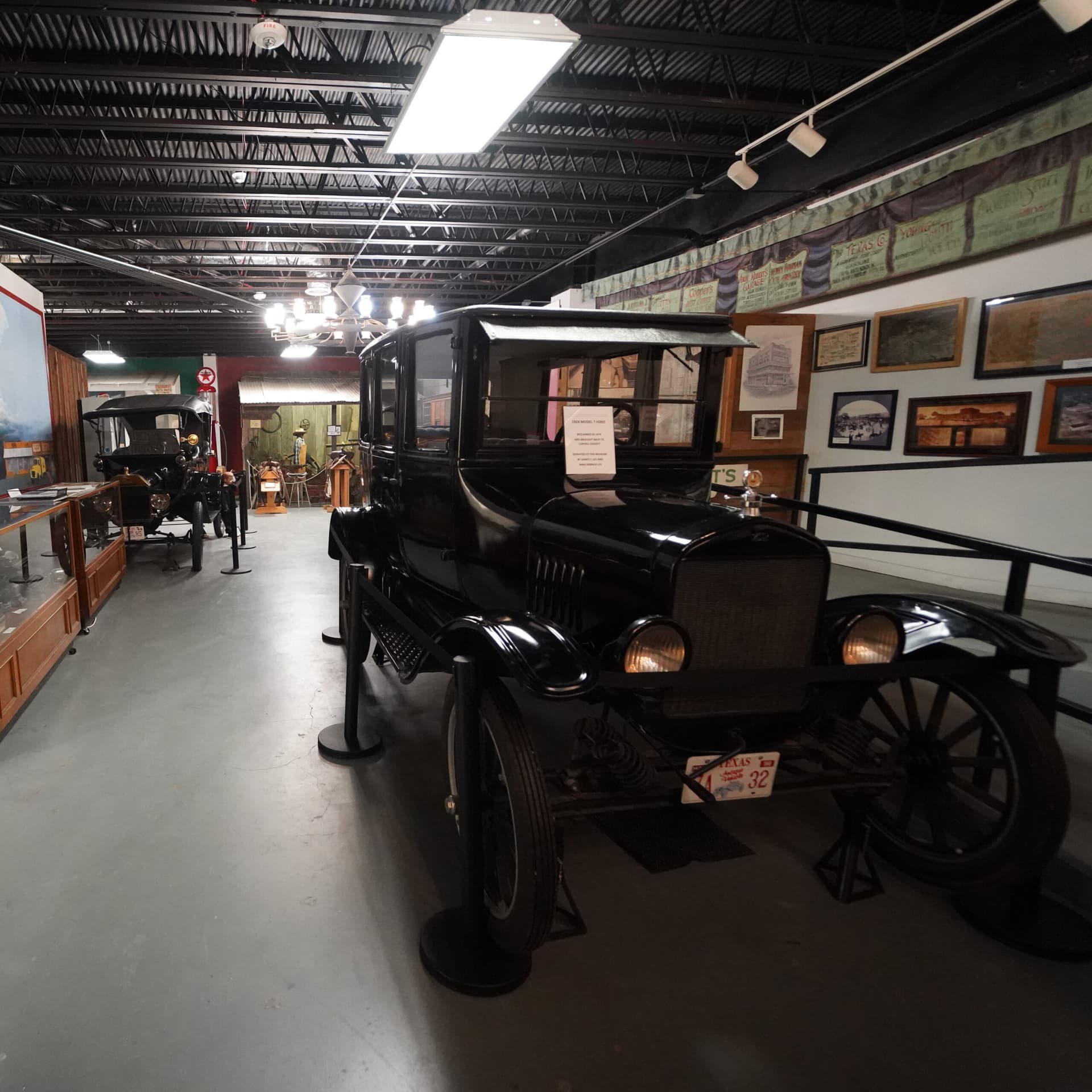
The broader Texas story is equally concrete. The CCC operated in Texas from 1933 to 1942, and Texas Parks and Wildlife says the program gave about 50,000 enrollees in Texas employment, skills, and a home during the Great Depression. TSHA also notes that the average CCC enrollee in Texas was twenty years old, a reminder that many of the men doing this labor were barely out of their teens.
At Mother Neff State Park, CCC Company 817 worked from 1934 to 1938. The structures and systems it left behind, including roads, trails, drainage, fences, and visitor amenities, are part of the park's physical footprint. In that way, the hallway display connects local memory to an actual landscape that was shaped by young workers, federal spending, and conservation policy.
Why a hallway exhibit carries real weight
The museum's hallway may be small, but the stories inside it are not. A display on Pat Neff links Coryell County to state politics and to a park named for his mother. The telephone case shows how early communication systems moved from Galveston to a broader Texas network that changed how communities stayed connected. The CCC panel puts Coryell County inside the New Deal's labor and conservation history, with camps at Mother Neff State Park and Gatesville and a legacy still visible in the park's roads and buildings.
That is why these displays deserve attention even though they sit between larger exhibits. They connect county residents to places they know, like Mother Neff State Park, and to systems that shaped everyday life, from switchboards to conservation crews. In a few steps down one hallway, the museum turns Coryell County history into something visitors can place on a map, spot on a road, and recognize in the civic identity of the county today.
This article was produced by Prism’s automated news system from verified source data, official records, and press releases, then run through automated quality and moderation checks before publishing. The system is built and supervised by the people who set the standards it runs under. Read our full AI policy.
Did this article answer your question?