Influenza A Rises in Central Texas, Local Officials Urge Caution and Vaccination
Local and regional health officials reported an uptick in influenza A activity on December 26, 2025, and warned residents to watch for new or worsening respiratory symptoms. The increase matters for Coryell County because clinicians are reporting unusual symptom patterns and public health partners are monitoring hospital and clinic trends that could affect local capacity and vulnerable populations.
Central Texas public health authorities reported an increase in influenza A activity in late December, prompting renewed reminders about vaccination, hand hygiene, and staying home when ill. The update, issued on December 26, said clinicians are seeing some different symptoms this season and that health partners across the region are tracking visits and admissions at hospitals and clinics. The situation remains fluid as public health teams continue surveillance over the holiday period.
For Coryell County residents, the immediate concern is both personal and systemic. At the individual level, people should be alert to any new or worsening respiratory signs and seek care if symptoms escalate, particularly for infants, people over age 65, pregnant people, and those with chronic conditions or weakened immune systems who face greater risk of complications. At the community level, higher influenza activity can translate into more clinic visits and potential pressure on emergency departments and hospital staffing at a time when many health systems are already balancing seasonal demands.
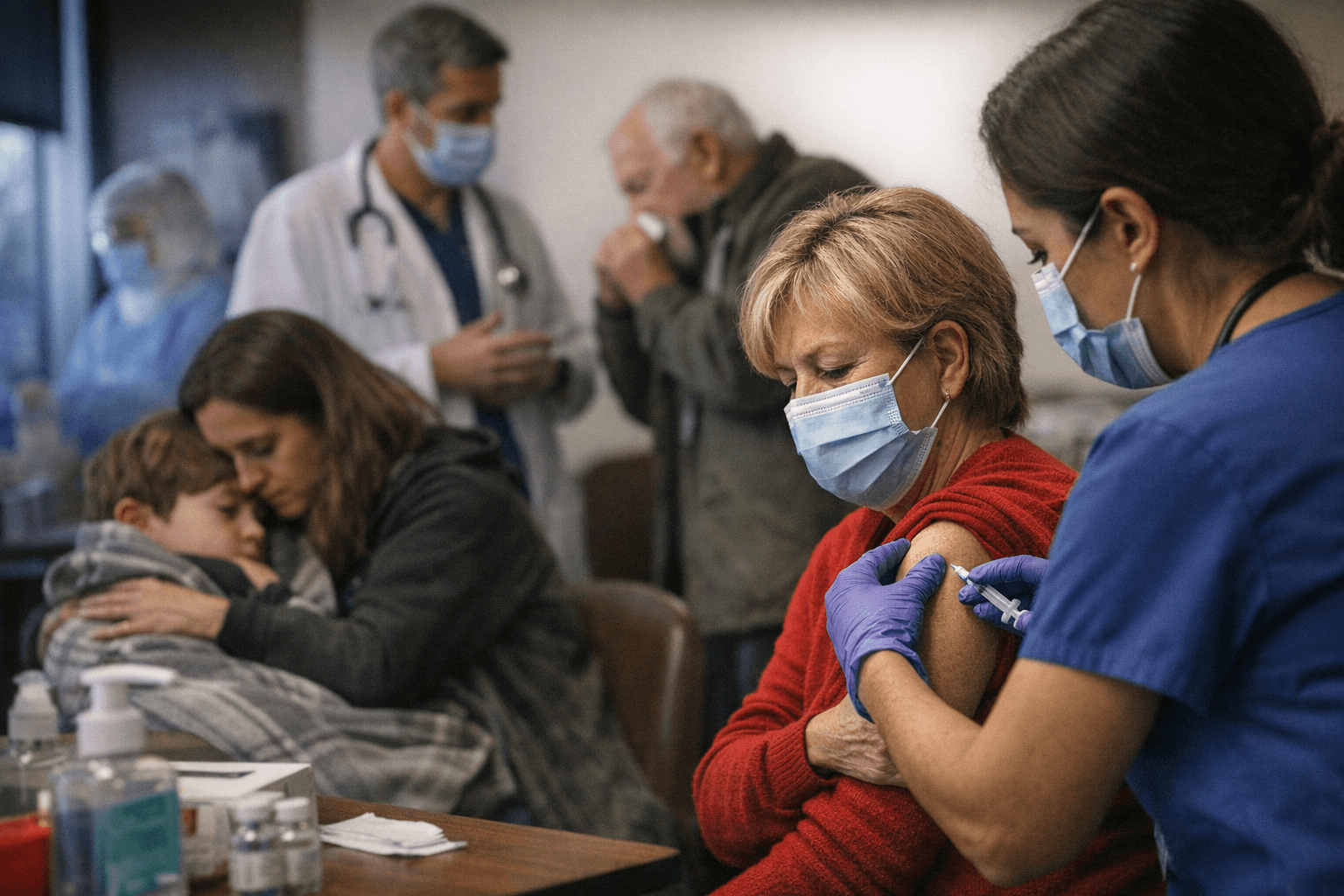
Public health implications include the need to maintain timely vaccination coverage and to ensure testing and treatment when clinically indicated. Annual influenza vaccines remain the primary preventive tool and can reduce severe illness, even when circulating strains shift. Local clinics, pharmacies, and health partners coordinating surveillance data will play a key role in identifying trends and directing resources where they are most needed.
The rise also highlights longstanding equity concerns. Rural residents, hourly workers, people without reliable transportation, and those lacking paid sick leave face barriers to vaccination and to staying home when ill. That can increase transmission risk in workplaces, schools, and multigenerational households. Policy responses that support vaccine access, flexible workplace sick leave, and community based outreach can reduce both illness and unequal burdens across neighborhoods.
Health officials emphasize basic measures to slow spread. Residents should get an influenza vaccine if they have not yet done so, practice good hand hygiene, avoid close contact with sick people, and stay home when ill. Public health partners will continue to monitor clinic and hospital trends and update communities as more information becomes available.
This article was produced by Prism’s automated news system from verified source data, official records, and press releases, then run through automated quality and moderation checks before publishing. The system is built and supervised by the people who set the standards it runs under. Read our full AI policy.
Did this article answer your question?