Oncor, LCRA Seek Approval for 765 kV Line Crossing Coryell County
Coryell County landowners have until April 27 to intervene in PUCT Docket 59475 after Oncor and LCRA filed a nearly $2 billion, 765 kV line application March 26.
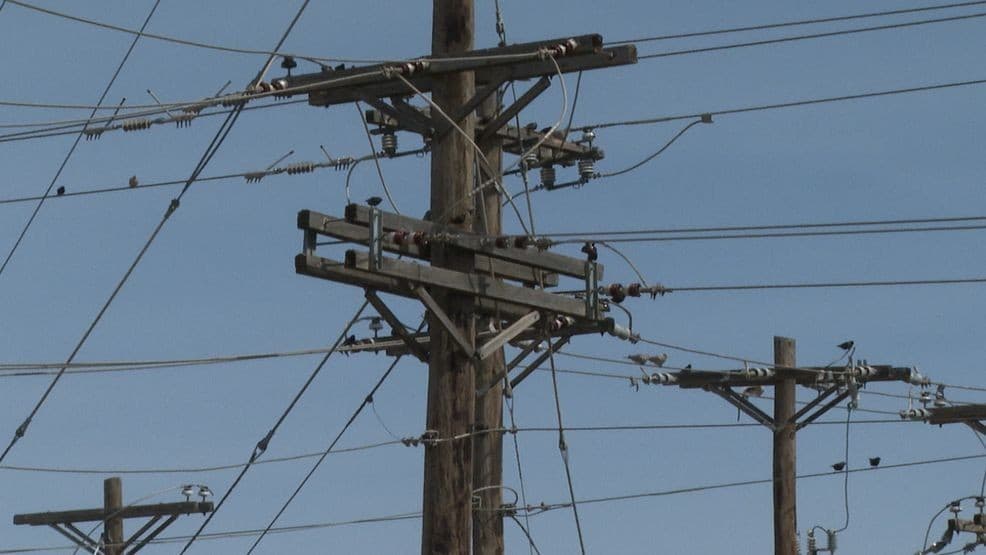
Oncor and LCRA Transmission Services Corporation filed a formal application with the Public Utility Commission of Texas on March 26, five days ago, seeking approval to build the Bell County East-Big Hill 765 kV Transmission Line Project, a nearly $2 billion corridor that names Coryell County among the affected counties in PUCT Docket No. 59475. Landowners who want a voice in the final route have until April 27, 2026 to intervene.
The application covers 122 alternative routes ranging from 214 to 244 miles in length, connecting Oncor's existing Bell County East switch near Temple to LCRA's new Big Hill Substation in northwest Schleicher County. The line would carry twice the voltage of the power lines normally used in Texas, and the towers would stand 200 feet tall, constructed of self-supporting steel lattice.
For Coryell County ranch and property owners, the stakes are direct: any landowner whose tract is crossed by a proposed route, or who has a habitable structure within 500 feet of a route's centerline, will be mailed a formal notice under PUCT's licensing process. Because 122 route alternatives are currently on the table, the footprint of potential easement negotiations, or condemnation proceedings if voluntary agreements cannot be reached, spans a wide swath of the county's working ranch land.
Dave Clark, director with Friends of the San Saba, has been among the loudest voices against routing the lines through rural private land. "These towers are going to be taller than anything that exists in a lot of these counties," Clark said. "These things are massive. Our concern is that the utility companies, and quite frankly, the PUC, are allowing these lines to be routed right through privately owned and ranched rural areas. It's just going to destroy the land."
Clark argues that routing along existing highway rights-of-way would avoid the worst impacts. "Why not put these lines along existing highway right-of-ways? That's what we're arguing for, getting it out of Central Texas rivers, the San Saba River, land that just hasn't been used this way before."
Llano County commissioners have already passed a resolution asking the Texas Parks and Wildlife Department, the Texas Commission on Environmental Quality, and the Public Utility Commission of Texas to reject the project's applications outright. Clark said Coryell County residents should see that opposition as a preview. "Up until now, it's really been an issue for the Hill Country, West Texas and Central Texas," he said. "What people need to know is it's coming their way. What we're going through now is coming their way, and they need to know that."
The PUC's decision on the final route is anticipated in September 2026. If approved, the line is scheduled to be energized by the end of 2030. Coryell County landowners or interested parties can formally intervene through PUCT Docket No. 59475 before the April 27 deadline; Oncor's regulatory team can be reached at 214-486-5216 and LCRA's regulatory case manager Kelly Wells at 512-578-1445.
Here is the formatted response:
Oncor and LCRA Transmission Services Corporation filed a formal application with the Public Utility Commission of Texas on March 26 seeking approval to build the Bell County East-Big Hill 765 kV Transmission Line Project, a nearly $2 billion corridor that names Coryell County among the affected counties in PUCT Docket No. 59475. Landowners who want a voice in the final route have until April 27, 2026 to formally intervene.
The application covers 122 alternative routes ranging from 214 to 244 miles in length, connecting Oncor's existing Bell County East switch near Temple to LCRA's planned Big Hill Substation in northwest Schleicher County. The line would carry twice the voltage of the power lines normally used in Texas, and the towers would stand 200 feet tall, constructed of self-supporting steel lattice, described by Texas Public Radio as "the largest ever power line project in state history."
For Coryell County ranch and property owners, the stakes are direct. Any landowner whose tract is crossed by a proposed route, or who has a habitable structure within 500 feet of a route's centerline, will receive a mailed notice under PUCT's licensing process. Because 122 route alternatives remain on the table, the potential footprint for easement negotiations, or condemnation proceedings if voluntary agreements fail, spans a wide stretch of the county's working ranch land.
Dave Clark, director with Friends of the San Saba, has been among the most vocal opponents of routing the line through rural private land. "These towers are going to be taller than anything that exists in a lot of these counties," Clark said. "These things are massive. Our concern is that the utility companies, and quite frankly, the PUC, are allowing these lines to be routed right through privately owned and ranched rural areas. It's just going to destroy the land."
Clark argues that running the line along existing highway rights-of-way would avoid the most damaging impacts. "Why not put these lines along existing highway right-of-ways?" he said. "That's what we're arguing for, getting it out of Central Texas rivers, the San Saba River, land that just hasn't been used this way before."
Llano County commissioners have already passed a resolution asking the Texas Parks and Wildlife Department, the Texas Commission on Environmental Quality, and the Public Utility Commission of Texas to reject the project's applications. Clark warned Coryell County residents that the fight already consuming the Hill Country is heading their direction. "Up until now, it's really been an issue for the Hill Country, West Texas and Central Texas," he said. "What people need to know is it's coming their way. What we're going through now is coming their way, and they need to know that."
The PUC's decision on the final route is anticipated in September 2026. If approved, the line is scheduled to be energized by the end of 2030. Coryell County landowners can formally intervene through PUCT Docket No. 59475 before the April 27 deadline; Oncor's regulatory manager Jeremy McConnell can be reached at 214-486-5216, and LCRA regulatory case manager Kelly Wells at 512-578-1445.
This article was produced by Prism’s automated news system from verified source data, official records, and press releases, then run through automated quality and moderation checks before publishing. The system is built and supervised by the people who set the standards it runs under. Read our full AI policy.
Did this article answer your question?