Bridgeton City Park anchors recreation, events and wildlife in Cumberland County
Bridgeton’s park stays open to walkers, families and zoo visitors, but riverfront permits, insurance and holiday limits can turn shared space into a paperwork test.
Bridgeton City Park is the kind of public asset that can shape daily life in Cumberland County, not just fill a map. The city calls it a 1,100-acre destination, with walking trails, picnic areas and playing fields, and its riverfront rules show how one shared landscape can serve both casual visitors and organized events.
A park built around water, wildlife and room to gather
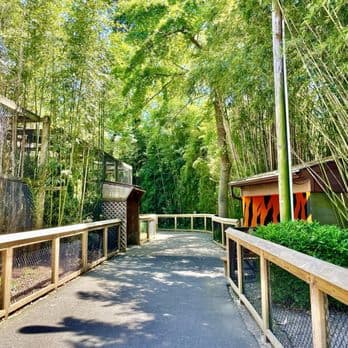
Bridgeton City Park is designed to do more than offer open green space. The city says it is meant for residents and visitors alike, which matters in a city where the park doubles as an exercise route, a family destination and a venue for larger public uses. Cohanzick Zoo sits inside the park as well, described by the city as a small zoo among the woods and waterways, with more than 100 animals, naturalistic exhibits and more than 60 years of history.
That combination of scale and variety is what makes the park unusually important in Bridgeton. The city’s recreation materials note six reservable picnic sites, along with first-come, first-served use, giving families both planned and spontaneous options. The splash park, which opens beginning Memorial Day, adds another layer of seasonal use and helps explain why the park draws crowds well beyond a neighborhood playground.
How the riverfront permit system works
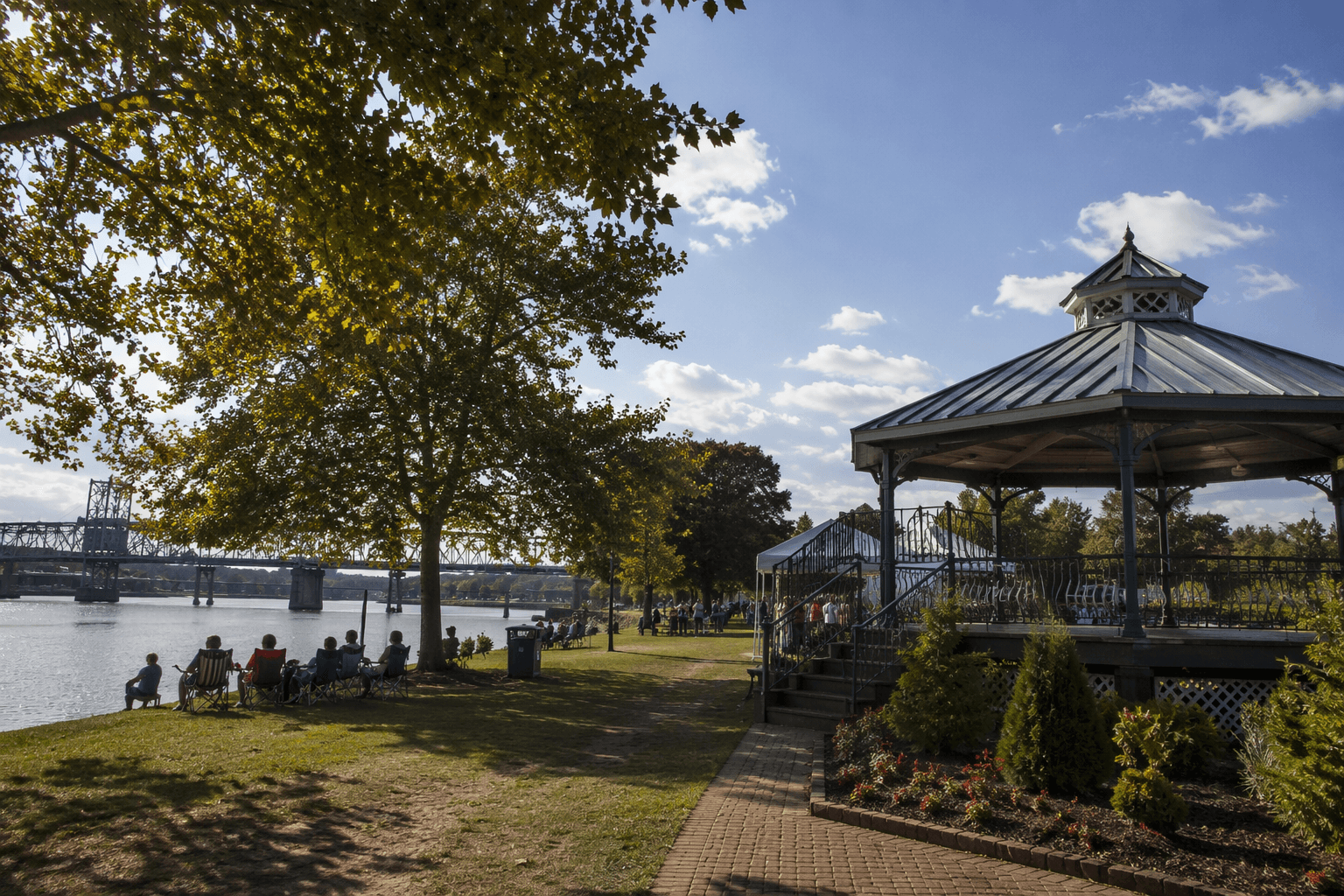
The most consequential rules are tied to the downtown riverfront, which the city places along the Cohansey River between Route 49, also known as Broad Street, and Commerce Street. The permit packet says that space hosts family entertainment and special events, and it sends groups to the Bridgeton Recreation Office to begin the process. Anyone seeking an organized riverfront event must provide a letter of intent and purchase insurance.
City code adds another layer. Article IV on special events requires a person seeking a permit for park facilities to file a letter of intended use with the department, which means Bridgeton uses formal paperwork before a public space becomes a reserved event site. The park permit rules also require fees to be paid at least two weeks before the requested date, and they require a valid New Jersey driver’s license or other valid photo ID.
That system is aimed at organized use, not ordinary visits. Walking the trails, visiting the zoo or spending a regular afternoon in the park does not carry the same permit burden as booking a special event or using reserved park facilities. For churches, civic groups, youth organizations and neighborhood associations, the city’s process creates a clear path to reserve space, but it also adds a gatekeeping layer that can slow down last-minute planning.
Where the rules are clearest, and where they still trip people up
Some of Bridgeton’s rules are straightforward, while others are easy to miss until they become a problem. The city does not issue permits for picnic areas, the Splash Park or mini golf on holidays or holiday weekends, which can complicate planning for family reunions and community gatherings that naturally cluster around those dates. The city also says the location and date are not secure until paperwork and payment are complete, so a group cannot assume a site is locked in just because it has started the conversation.
The payment rules are practical but still matter. Bridgeton accepts cash, check or money order, and it says electricity is not guaranteed at the location. That detail can affect everything from speakers and food service to small civic programs that expect access to power. The requirement that groups submit a letter of intent on organization letterhead also creates a higher bar for informal or newly formed groups that may not have polished paperwork ready to go.
Why the park’s water history still matters now
Bridgeton’s modern park system sits on a much older pattern. The city says it formed around rivers and other bodies of water for commerce and as part of its agricultural identity, and its history page says the area was inhabited for thousands of years by Indigenous peoples, including Lenni-Lenape Native Americans at the time of European contact. That history is visible in the city’s geography and in the way Bridgeton still organizes public life around the Cohansey River.
The river itself runs about 30 miles from Cool Run and Bostwick Lake in Salem County through Cumberland County to Delaware Bay, according to the New Jersey Conservation Foundation. The Encyclopedia of Greater Philadelphia identifies Bridgeton as the governmental seat of Cumberland County, and an 1886 panoramic map shows the main port area where the Cohansey meets the town border. In other words, the city’s riverfront is not a decorative edge of town. It is part of Bridgeton’s civic foundation.
That legacy also shows up in the city’s public programming. Cumberland County’s Explore Cumberland site features Bridgeton City Park and notes that the county has more than 60 cultural organizations to reach out to, while Bridgeton’s events feed has carried community items such as Bridgeton CrabFest. The river corridor also remains a cultural stage, with Cohansey Riverfest Plein Air described as an annual mid-August event hosted by Gallery 50 in Bridgeton.
The Splash Park shows both access and scrutiny
Bridgeton’s splash park is a good example of how the city tries to expand recreation while managing risk. Mayor Albert B. Kelly saw a splash park in Pottstown, Pennsylvania, and that idea helped shape the Bridgeton project. The city cut the ribbon on June 1, 2013, after park and Water Works Building improvements were announced in 2012, and the splash park finished its first season later that year.
The feature also drew scrutiny. In 2015, a woman sued the city and other defendants over injuries from a slip at the Splash Park, a reminder that public amenities come with maintenance and safety obligations. That tension sits at the heart of Bridgeton’s permit system too: the city wants the park to stay open and active, but it also uses rules, insurance and advance notice to keep the most heavily used spaces from becoming chaotic.
Bridgeton City Park ultimately works because it is both open and managed. The permit structure makes bigger uses possible, but the paperwork, holiday restrictions and advance deadlines can also create barriers for groups that want quick access to a public place that should feel shared by default.
This article was produced by Prism’s automated news system from verified source data, official records, and press releases, then run through automated quality and moderation checks before publishing. The system is built and supervised by the people who set the standards it runs under. Read our full AI policy.
Did this article answer your question?