Cumberland County growers use controlled burns to guard crops from frost
Smoke over Cumberland County fields may mean growers are buying time against a hard freeze, using a short state burn window to protect crops and farm income.
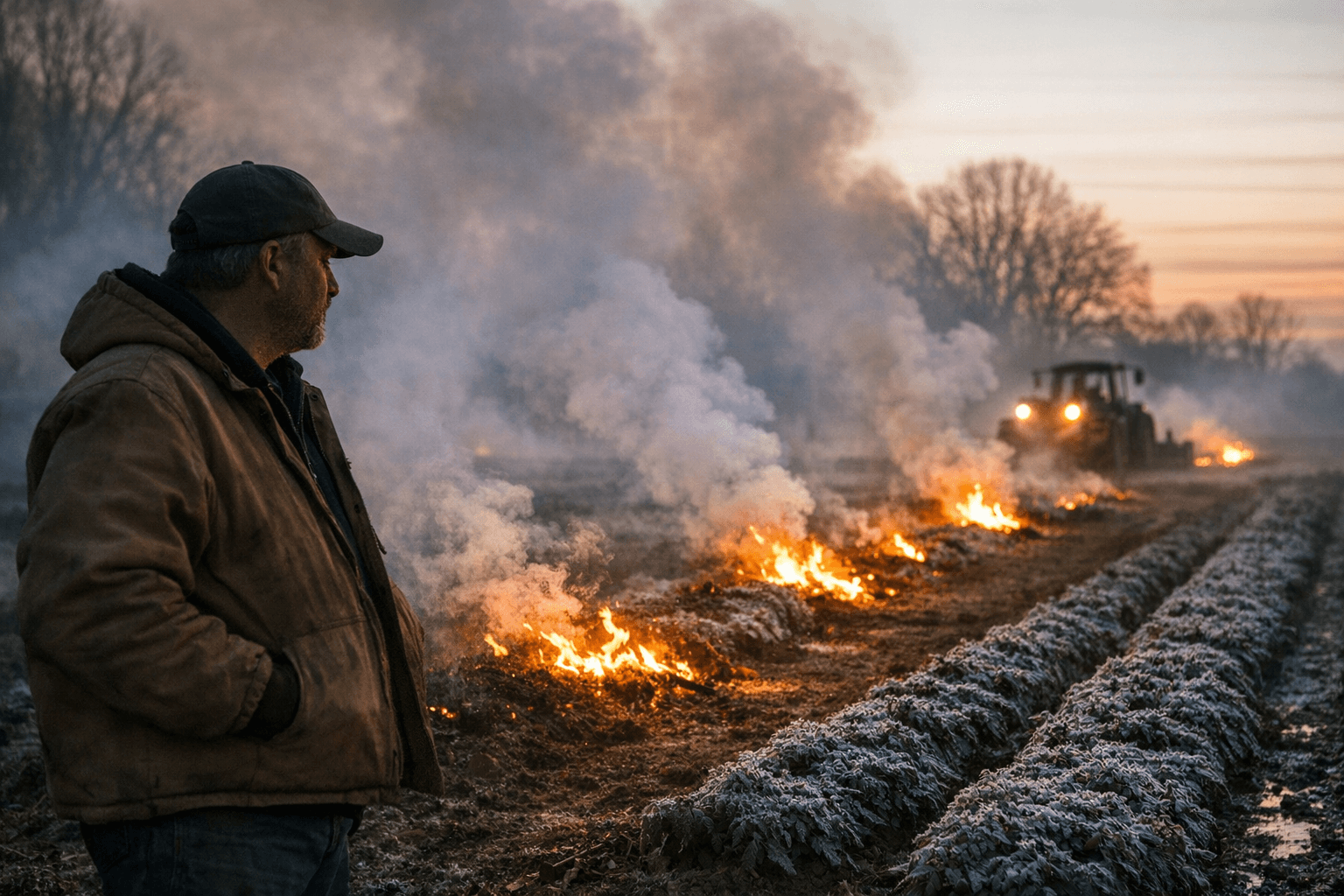
Why the smoke matters
A thin haze over Cumberland County fields can mean more than a burn pile. For growers, it can be the difference between protecting tender spring crops and losing a harvest to a late frost, especially when overnight temperatures sink into the 30s or lower.
That is why New Jersey opened a frost-protection burn window from April 18 through April 22, 2026, allowing controlled open burns and smudge pots for crop protection. The practice is tightly managed because it is not just about fire; it is about using weather timing, wind conditions, and careful monitoring to keep vulnerable plants warm enough to survive a cold snap.
What farmers have to do before lighting a burn
Before using the authorization, farmers must notify the New Jersey Department of Environmental Protection 24-hour Communications Center at 1-877-WARNDEP. The notice has to include the farm name, street address, contact phone number, predicted temperature, wind speed, predicted burn hours, and the materials being burned.
Rutgers University guidance on frost protection helps explain why growers act quickly. Fruit crops are especially vulnerable from full bloom to petal-fall stages, and Rutgers notes that peach bloom damage is a recurring concern in New Jersey orchard management. When a frost forecast lines up with that stage of growth, farmers often have only a narrow window to respond.
The controlled burn is meant to be an emergency tool, not a routine habit. Farmers have to balance the benefit of protecting blossoms and young fruit against the smoke, labor, and safety risks that come with running the burn and watching it through the coldest hours.
Why Cumberland County has so much at stake
Cumberland County’s farm economy gives this kind of frost response a much wider meaning than one field or one grower. County officials say local farmers supply vegetables to consumers across New Jersey and many cities in the eastern United States and Canada, which means a frost event can ripple into market supply, delivery schedules, and farm payrolls.
The county also ranks No. 1 in New Jersey for greenhouse, nursery, floriculture, and sod production. That matters because those sectors depend on plants that can be especially sensitive to temperature swings, and because the county’s 2022 Census of Agriculture profile lists 539 farms and about $305.0 million in commodity sales. Crops accounted for 99% of agricultural sales in Cumberland County, a sign that weather-related losses can hit the local economy fast and hard.
New Jersey’s broader farm picture shows why state officials treat frost protection as a recurring operational issue. Total agriculture products sold in the state rose from just over $1.1 billion in 2017 to almost $1.5 billion in 2022, and the nursery, greenhouse, floriculture, and sod sector alone generated nearly $725 million in sales. In a state where that part of agriculture leads the field, a spring cold snap is not a small inconvenience. It is a direct threat to a major economic engine.
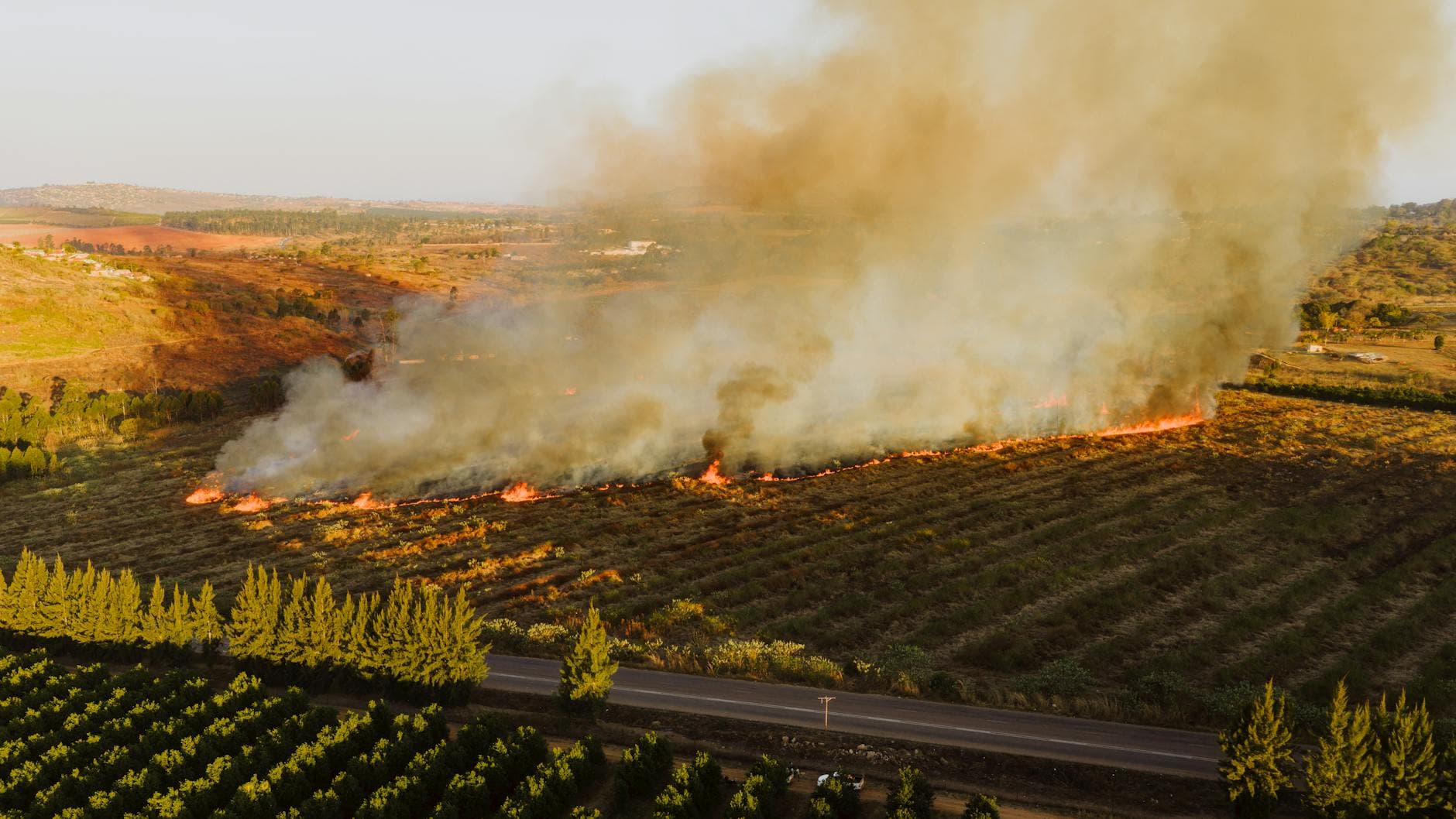
What residents may notice and why it keeps happening
For people living near farm roads, the most visible sign may be smoke drifting low over the fields or the smell of a controlled burn on a cold morning. That temporary disruption is part of a planned response to weather, not an indication of an uncontrolled fire, and it is designed to shield crops during the most fragile stage of the season.
This is also not a one-time rule change. New Jersey has issued similar frost-protection burn permits in 2016, 2017, 2023, and 2024, which shows how often cold weather can still threaten spring production. The pattern underscores a simple fact of local farm life: even in a strong agricultural county, a few nights of frost can alter yields, shift market timing, and strain the finances of family farms and produce operations.
In Cumberland County, a smoky dawn can be the cost of keeping vegetables, nursery stock, and orchard crops alive. That tradeoff sits at the center of the county’s farm economy, where quick decisions in the field help protect the food supply, the jobs tied to it, and the annual revenue that supports one of New Jersey’s most productive agricultural regions.
This article was produced by Prism’s automated news system from verified source data, official records, and press releases, then run through automated quality and moderation checks before publishing. The system is built and supervised by the people who set the standards it runs under. Read our full AI policy.
Did this article answer your question?

