Cumberland County launches year-long youth crime prevention study
Cumberland County’s new study will spend a year tracing youth crime patterns and the gaps in prevention, with Bridgeton, Millville and Vineland likely to feel the policy impact.
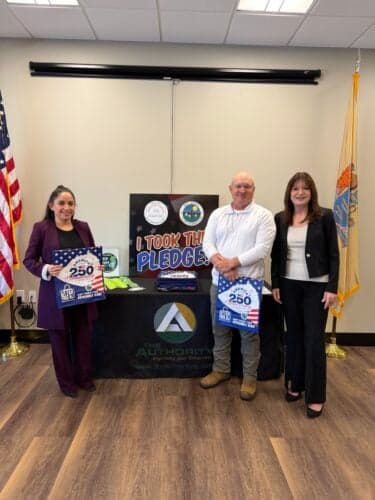
Cumberland County’s latest public-safety push is not a quick fix. It is a year-long study aimed at understanding youth crime patterns and the places where prevention, intervention and police-community relations break down, with the prospect of shifting money and staffing toward the services that can keep young people out of the justice system.
The Cumberland County Prosecutor’s Office launched the initiative on June 5, 2026, framing it as an effort to reduce crime and improve police-community relations across the county. Under Prosecutor Jennifer Webb-McRae, the office is signaling that the response to juvenile crime will not be limited to arrests and prosecution, but will also test what can be done earlier to interrupt the path into the justice system.
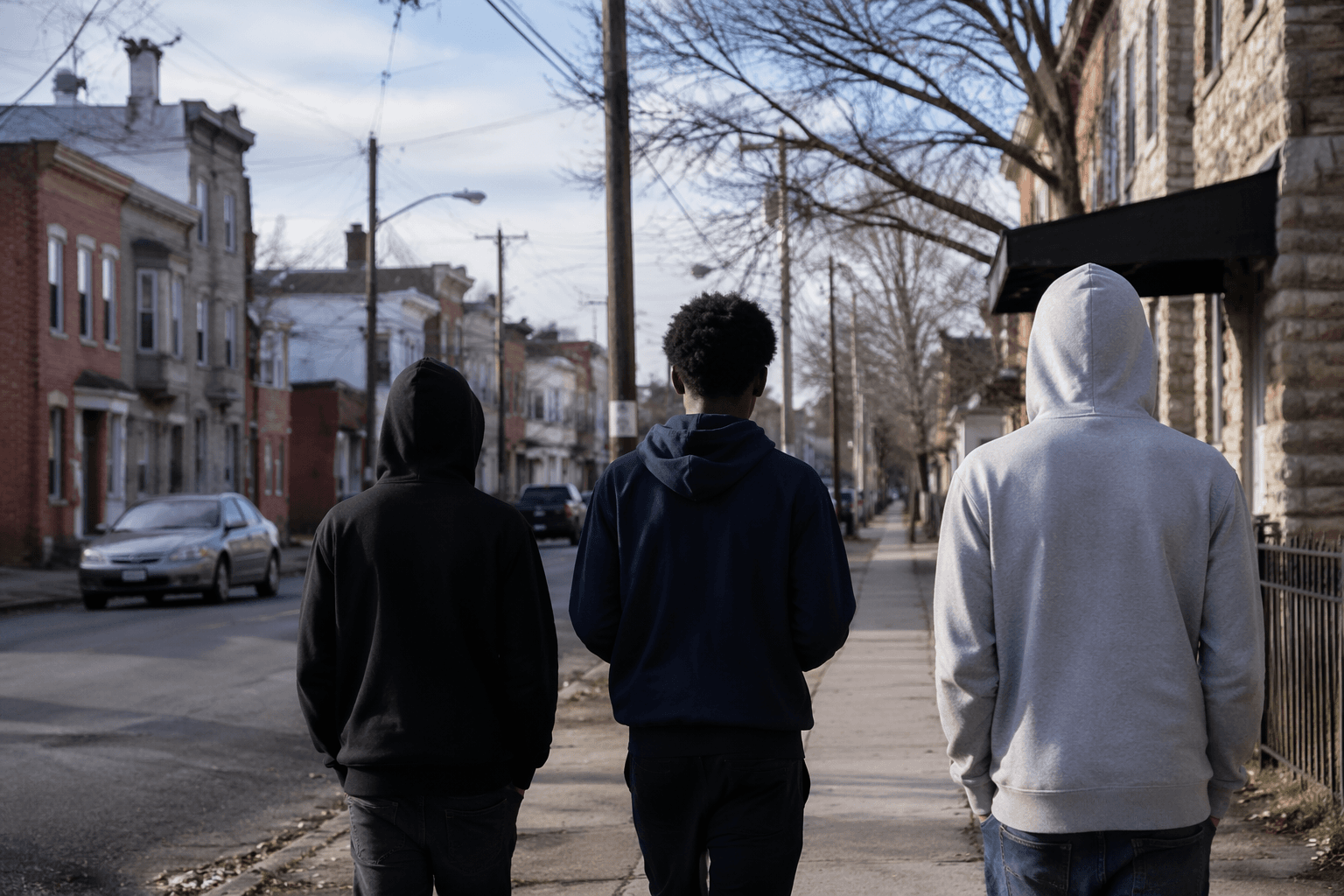
That approach fits the office’s existing Community Justice Unit, which says it uses a data-driven strategy focused on positive youth outcomes and violence reduction. The unit’s public materials also describe work on trauma-informed interventions, substance-use diversion and mental-health deflection, while the Community Policing Unit says it works alongside local youth and civic leaders in a positive manner.
The county already has a broader youth network in place. The Cumberland County Positive Youth Development Coalition says it has operated since 2009 and now brings together more than 200 active members from law enforcement, schools, behavioral health, child welfare, health care and workforce development. That existing structure gives the new study a ready-made pipeline for translating data into action if the findings point to gaps in mentoring, recreation, school-based supports or other early-prevention measures.
For residents in Bridgeton, Millville, Vineland and other Cumberland County towns, the test is practical: whether the county can move from talking about youth violence to identifying which interventions actually lower it. Because the project runs for a full year, the public measure of success will come only after that review, when county officials can show whether the data points toward stronger prevention, better outreach and a more workable relationship between police and the neighborhoods they serve.
This article was produced by Prism’s automated news system from verified source data, official records, and press releases, then run through automated quality and moderation checks before publishing. The system is built and supervised by the people who set the standards it runs under. Read our full AI policy.
Did this article answer your question?