Cumberland County offers disaster response counselor training for volunteers
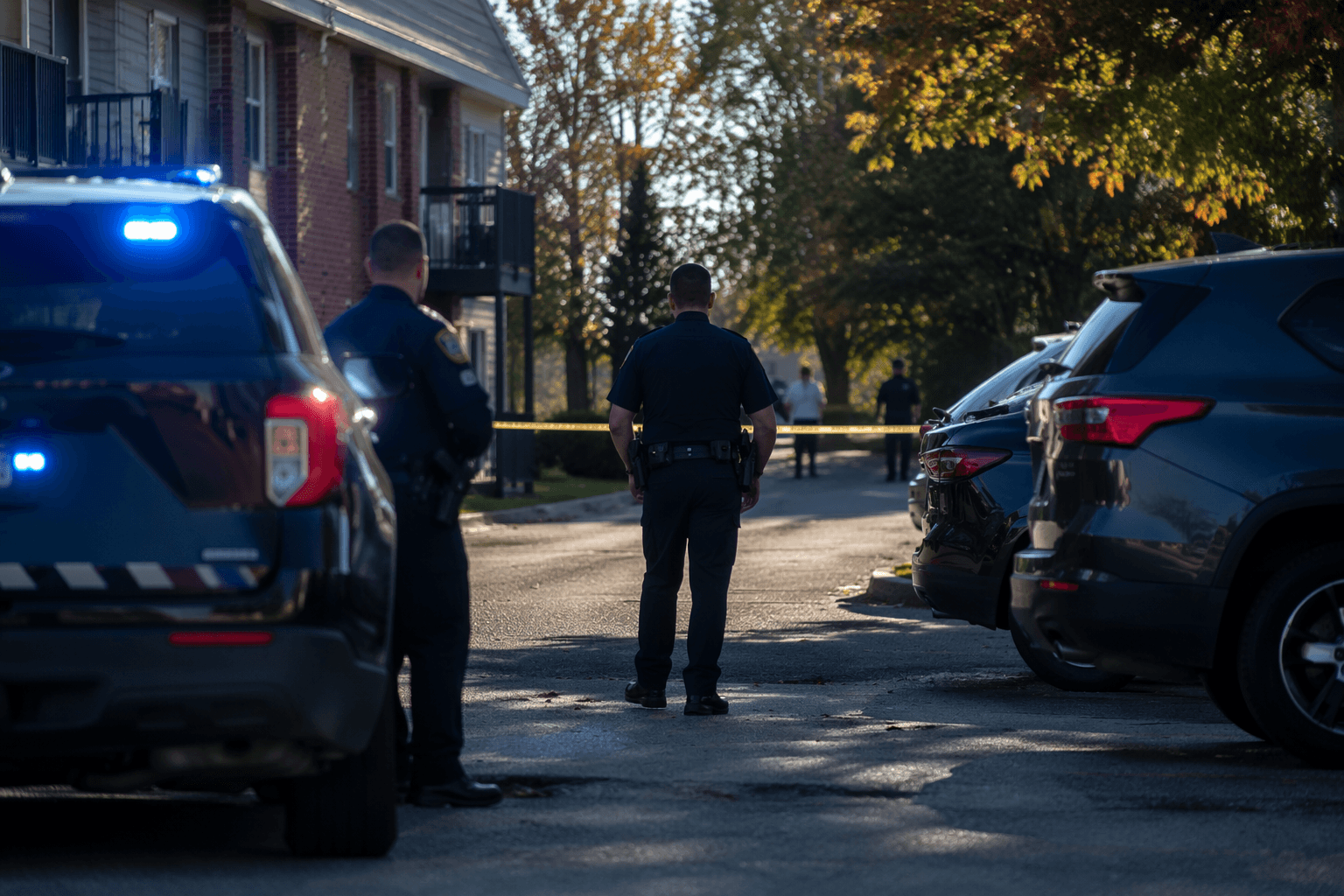
Cumberland County wants volunteers trained before the next fire, storm or mass-casualty call, as officials try to build a counselor network after recent emergencies strained the county.
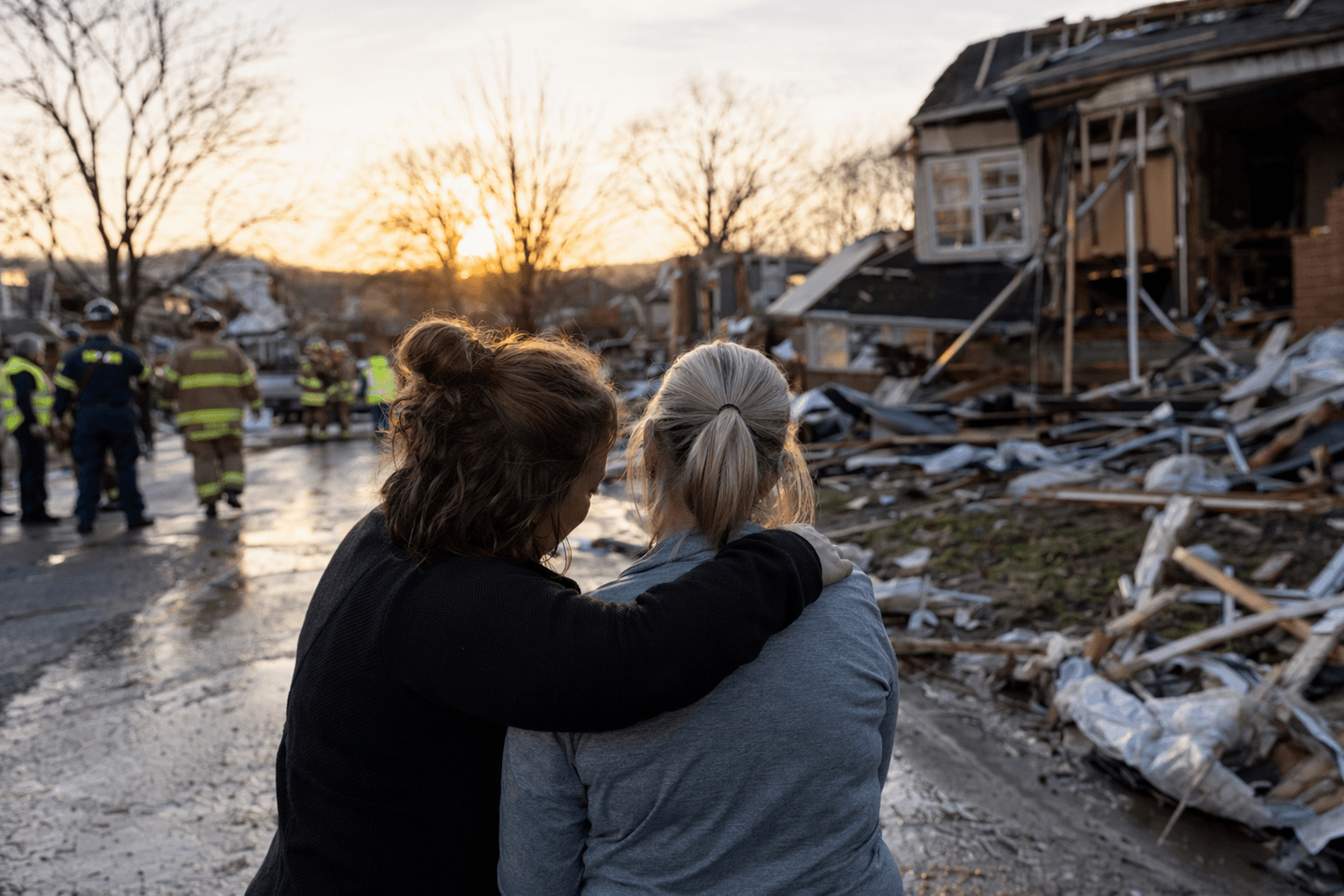
Cumberland County is telling residents who want to help after the next disaster to get trained first. The county’s next Disaster Response Crisis Counselor course is set for May 18, 19 and 20 at the Cumberland County Fire Academy in Bridgeton, where volunteers can learn how to support neighbors after fires, storms and other traumatic events without adding to the confusion.
The timing reflects a county that has already been tested. Officials said Winter Storm Finn, on Jan. 9 and 10, 2024, triggered a surge in emergency calls and operational strain. In April 2025, a wildfire in the Peaslee Wildlife Management Area grew from about 20 acres to more than 1,000 acres. Cumberland County’s hazard mitigation planning also identifies multiple critical facilities and overlapping hazards in Bridgeton and nearby jurisdictions, including flooding and wildfire risk.
The training is part of a statewide effort funded through a federal Health Resources and Services Administration grant to address a shortage of Disaster Response Crisis Counselors. New Jersey’s Department of Human Services says successful applicants are approved for certification and must complete a standard set of courses for certification and recertification. State funding documents say the program is meant to build a stronger volunteer workforce, support recruitment, training, exercise drills and engagement, and prepare counselors for natural and man-made disasters. A broader state solicitation said counties could receive up to $30,000 each, and Cumberland is among the counties named in the program.
County officials describe a Disaster Response Counselor as a volunteer who becomes part of an Emergency Response Network after a disaster or traumatic event. No clinical background is needed, and the county says DRCC support is not traditional mental health treatment. Instead, it provides support and linkage to resources while the immediate crisis is unfolding.
The curriculum covers four core areas: an introduction to disaster behavioral health and crisis counseling, the National Incident Management System and Incident Command System, cultural and ethical issues in disaster response and recovery, and psychological first aid. Those are the kinds of skills emergency managers say matter when churches, nonprofits and neighborhood groups want to help but do not know the system.
The Cumberland County Office of Emergency Management says it coordinates the county’s emergency management programs and provides planning and training exercises for large-scale emergencies and disasters. The fire academy hosting the course is officially the Ronald D. Martinelli Training Center, a county facility dedicated to training fire and emergency medical service professionals.
Tatiyana Stubbs is the contact for residents interested in applying. For Cumberland County, the message is straightforward: the next disaster will need more than goodwill, and trained volunteers can make the difference between organized help and another layer of chaos.
This article was produced by Prism’s automated news system from verified source data, official records, and press releases, then run through automated quality and moderation checks before publishing. The system is built and supervised by the people who set the standards it runs under. Read our full AI policy.
Did this article answer your question?