Firefly-lit Maurice River walk reveals spiders in Cumberland County ecosystems
A moonless Maurice River walk turns into a lesson in habitat health, showing how spiders, fireflies and insects reveal Cumberland County's living river edge.
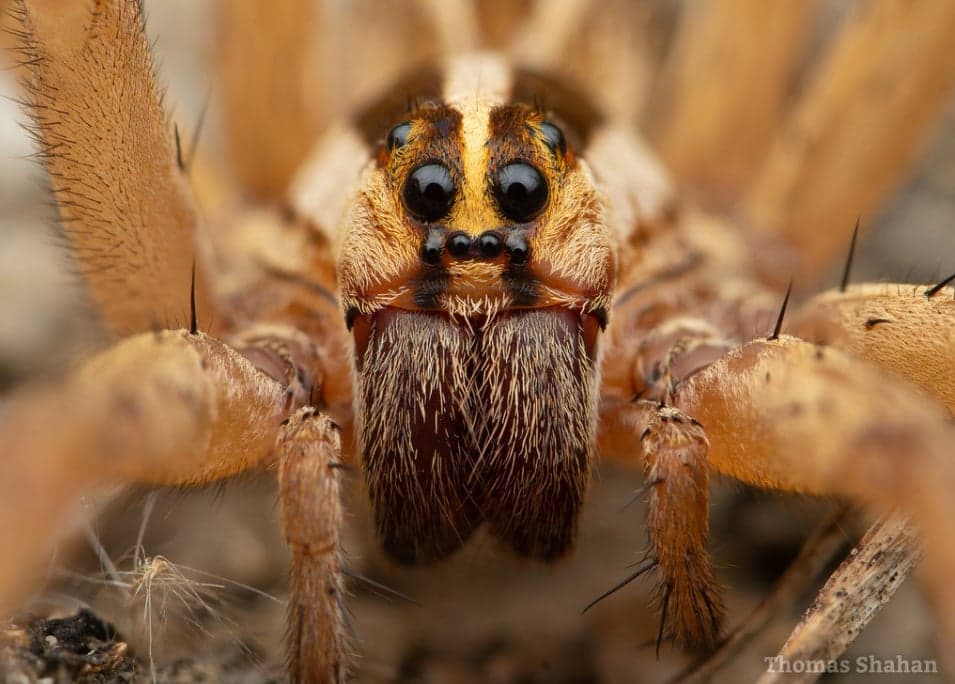
On a moonless evening on the Maurice River, J. Morton Galetto climbs up from a dock into spiders, fireflies and the small predators that keep the river edge working the way it should. His June 23 column for SNJ Today turns that walk into an inventory of Cumberland County’s hidden life.
The river at night is full of signs
Fireflies in the air, spiders near the light and insects moving through marsh grass are the same signs people can miss on porches, in gardens and along trails. The web on a railing, the glint of eyes in a beam of light and the steady pulse of insects over wet ground are evidence of a functioning food web. Small predators need prey to hunt, cover to use and enough habitat complexity to support the whole cycle.
Why the Maurice River is the right place to notice it
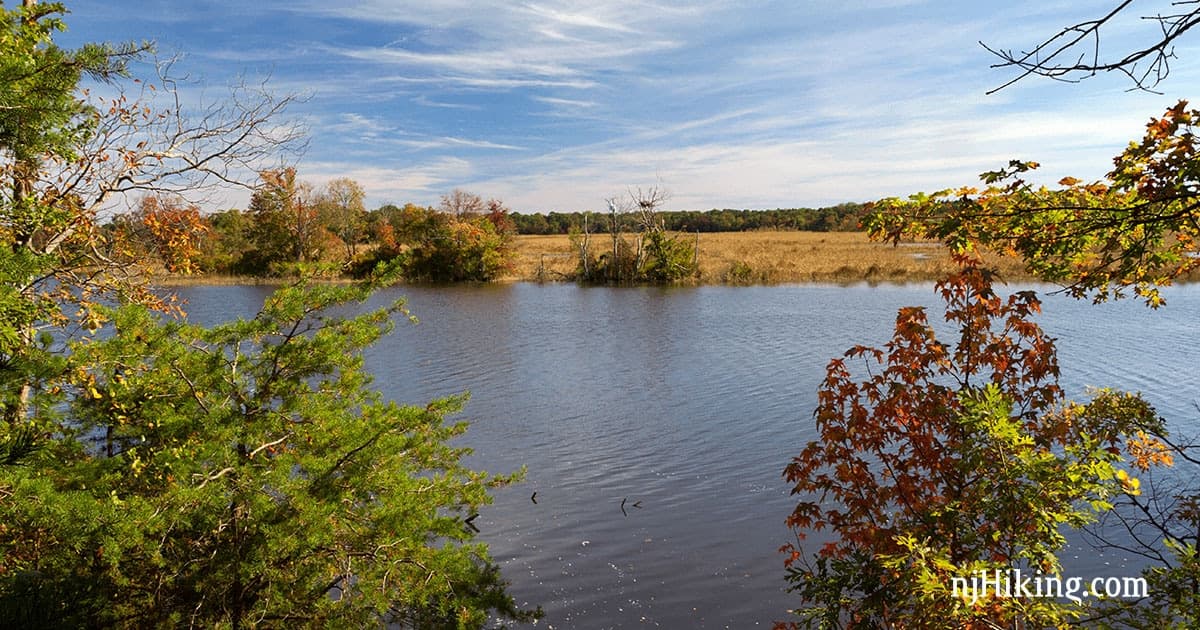
The Maurice River is federally designated as a Wild and Scenic River, and that designation fits a corridor that drains 385 square miles and runs for 50 miles through southern New Jersey, mostly in Cumberland County. Its upper branches meet near Union Lake in Millville, then the river moves south toward Maurice River Cove and Delaware Bay. Along the way it forms the western boundary of the Pinelands and passes through Vineland, Millville, Maurice River Township, Commercial Township and Buena Vista Township.
The corridor contains some of the least disturbed tidal freshwater wetlands in New Jersey, and it supports the state’s largest stand of wild rice. It is also tied to oyster, crab and fin-fish industries that depend on a healthy estuary.
Spiders sit in the middle of the everyday predator-prey drama. The column treats them as finely adapted hunters, not just as something to swat away, and that perspective matches the broader river system: if the water, marshes and riverbanks are functioning, there should be enough insects to draw in spiders, fireflies and the birds that feed on them.
What spiders say about habitat health
Cumberland County has a wide range of habitat types and wildlife species, including insects. A web stretched across a trail edge or garden corner is one small sign that the landscape is still producing the insects and shelter needed to sustain a rich food web.
The New Jersey Department of Environmental Protection counts thousands of insect species in the state, along with non-insect invertebrates such as spiders. Spiders are not insects; they are part of a broader invertebrate community that includes many of the species people notice only when they land on a porch light or slip through tall grass. Invasive species remain one of the biggest challenges facing New Jersey ecosystems, and when that pressure changes habitat quality, the insect and spider communities change with it.
A web near the light is a working piece of pest control. Spiders help reduce nuisance insects around homes, gardens and patios.
A preserve that makes the connection visible
Maurice River Bluffs Preserve gives that river story a place to stand still and watch. The 500-acre preserve, acquired by The Nature Conservancy in 1992, sits along the 35.4-mile Maurice River and offers habitat for migrating and breeding birds including osprey and bald eagles. It is also a freshwater haven for many species of insects, which makes it a strong place to see the same evening activity the column captures from the dock.
A summer walk there can show the same chain of life in a compact space, from marsh insects rising at dusk to spiders waiting in the vegetation and raptors moving overhead.
CU Maurice River works with naturalists, field experts, citizen scientists and volunteers on conservation, recreation and education. The river corridor is shaped by wetlands, seasonal insect cycles, bird movement and the human use that has long depended on the water.
What to notice on a Cumberland County evening
A porch in Vineland, a trail edge near Millville or a marshy stretch along the Maurice River can all tell the same story if you slow down long enough to look. Fireflies in the dark, spiders in the light and insects moving through the grass point to a landscape that still has layers, from tidal freshwater wetlands to upland edges and riverbank cover.
This article was produced by Prism’s automated news system from verified source data, official records, and press releases, then run through automated quality and moderation checks before publishing. The system is built and supervised by the people who set the standards it runs under. Read our full AI policy.
Know something we missed? Have a correction or additional information?
Submit a Tip