Greenwich Historic District preserves colonial history and tea burning legacy
Greenwich packs a 350-acre colonial district, the Tea Burning Monument, and free museum stops into one of Cumberland County’s best low-cost day trips.
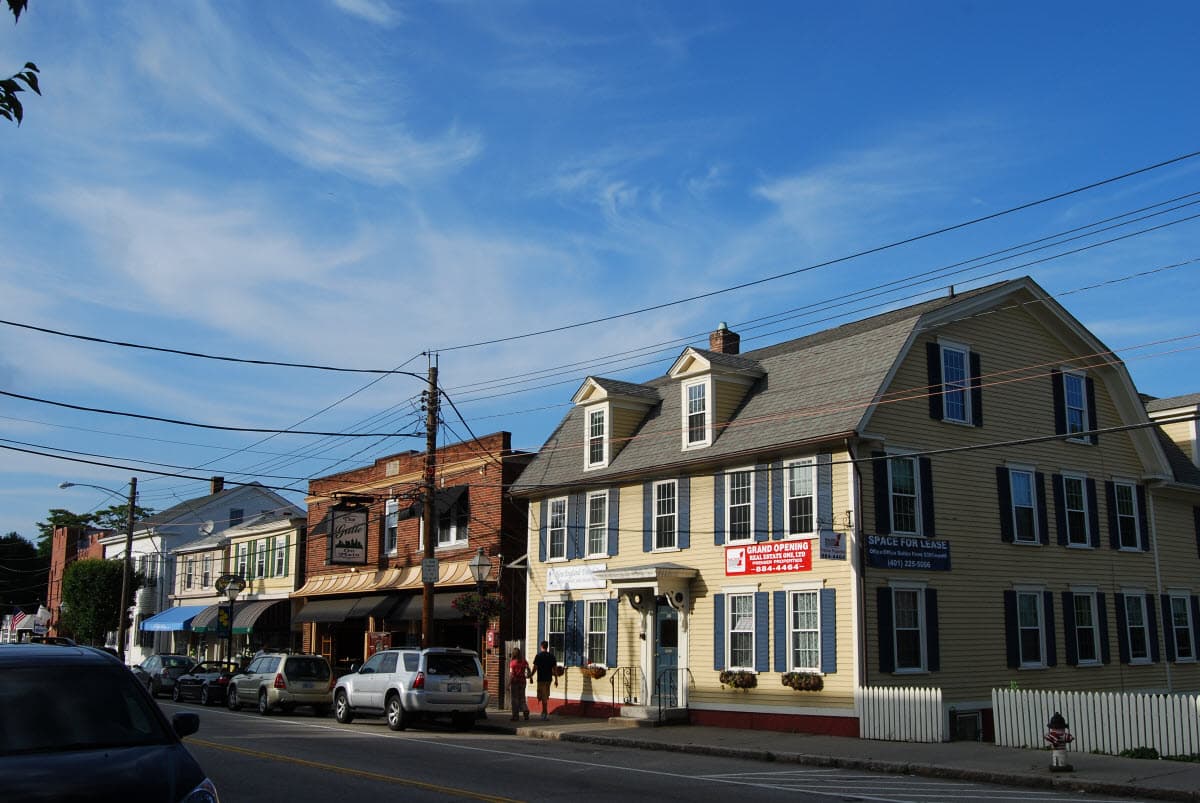
The Greenwich Historic District covers 350 acres and turns a Revolutionary-era flashpoint on Ye Greate Street into a walkable cluster of monuments and museums, with free guided access at the center of the route. Greenwich is one of the rare South Jersey places where the colonial landscape still lines up with the story.
Why Greenwich still feels intact
The federal preservation record gives Greenwich an unusual distinction: the village is “probably the least changed colonial town of national significance on the eastern seaboard.” The district was listed on the National Register of Historic Places on January 20, 1972, for agriculture, architecture, commerce and politics.
The place itself carries a long timeline. John Fenwick founded Greenwich in 1675, Ye Greate Street was laid out in 1684, and the town’s most famous episode came on December 22, 1774, when about forty young Whigs, disguised as Indians, burned a cargo of tea hidden in Daniel Bowen’s cellar. Cumberland County history materials identify that as the first act of violence against British authority in New Jersey before the Revolution.
The district’s present appearance is still generally that of the 18th and 19th century, with restored homes and patterned brick structures that make the streetscape itself part of the exhibit.
How to walk the district
The main sites sit close enough together to make a self-guided walk workable, and the route is compact enough to fit into a half-day without turning into a driving tour.
Start at the Greenwich Tea Burning Monument, which the Cumberland County Historical Society erected in 1908 to honor the patriots who destroyed the tea meant for Philadelphia. From there, move along Ye Greate Street toward the Gibbon House, then continue through the cluster of smaller museums and research stops that give the district more depth than a single memorial can provide.
The essential stops are:
- Greenwich Tea Burning Monument
- Gibbon House Museum
- Red Barn Museum
- Swedish Log Granary
- John DuBois Maritime Museum
- Prehistorical Museum
- Warren and Reba Lummis Genealogical and Historical Research Library
- Potter’s Tavern
The Gibbon House is the strongest anchor for the walk. Nicholas Gibbon, an English maritime merchant, bought the property in 1730 and built a replica of a London townhouse. The house is a well-preserved example of Georgian architecture, with Flemish-bond brickwork and a kitchen used for colonial open-fire cooking demonstrations.
Guided tours at the Gibbon House are free and open to the public, which makes the stop an easy fit for a low-cost day trip.

The best days to go
If you want the broadest access in one visit, Saturday is the most useful day. In 2026, the Warren & Reba Lummis Genealogical and Historical Research Library is open Wednesdays and Saturdays from 10 a.m. to 4 p.m. and Sundays from 1 p.m. to 4 p.m. The John DuBois Maritime Museum and Potter’s Tavern are open Saturdays and Sundays from 12 p.m. to 4 p.m.
The Gibbon House is open Saturday through Thursday and by appointment, and it is closed in January, February and March.
A Saturday itinerary lets you combine the free Gibbon House tour with the library and the weekend museums in one loop. If your interest is more genealogical or research-driven, Wednesday also works because the Lummis Library is open then and the Gibbon House is open as well.
A preservation project built over decades
The Cumberland County Historical Society was organized in 1905, the same year plans were being made for the tea-burning monument, and the monument went up in 1908. The society later moved its headquarters to Greenwich in 1947, then acquired the Gibbon House and its barn on Ye Greate Street on June 19, 1969.
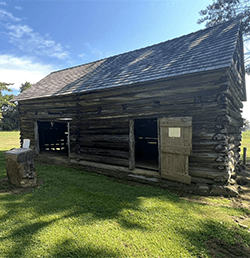
The society also moved a Swedish log farm building from around 1650 to the site, adding another layer to a place already dense with local history.
On October 5, 2024, the society marked the 250th anniversary of the Greenwich Tea Burning with all museums open and a day built around pony rides, colonial demonstrators, living historians and hearthside cooking demonstrations.
Why this is a strong Cumberland County day trip
Greenwich gives Cumberland County something unusually useful: a destination where the monument, the historic street, the preserved house museum and the smaller collections all sit close together and tell one connected story. County and state travel materials frame it as the “Last Tea Party” stop in a broader Revolutionary route, placing Greenwich among the small number of American communities remembered as tea-party towns.
Walk Ye Greate Street, spend time at the monument, take the free tour at the Gibbon House, and fill out the rest of the day with the open museums and the research library on the schedule that fits.
This article was produced by Prism’s automated news system from verified source data, official records, and press releases, then run through automated quality and moderation checks before publishing. The system is built and supervised by the people who set the standards it runs under. Read our full AI policy.
Know something we missed? Have a correction or additional information?
Submit a Tip