New Jersey Legislature Passes Bills Shielding Residents From Data Center Energy Costs
New Jersey passed bills requiring data centers drawing 100+ megawatts to cover their own grid costs, shielding households from rate hikes as Vineland's $17B AI campus draws complaints.
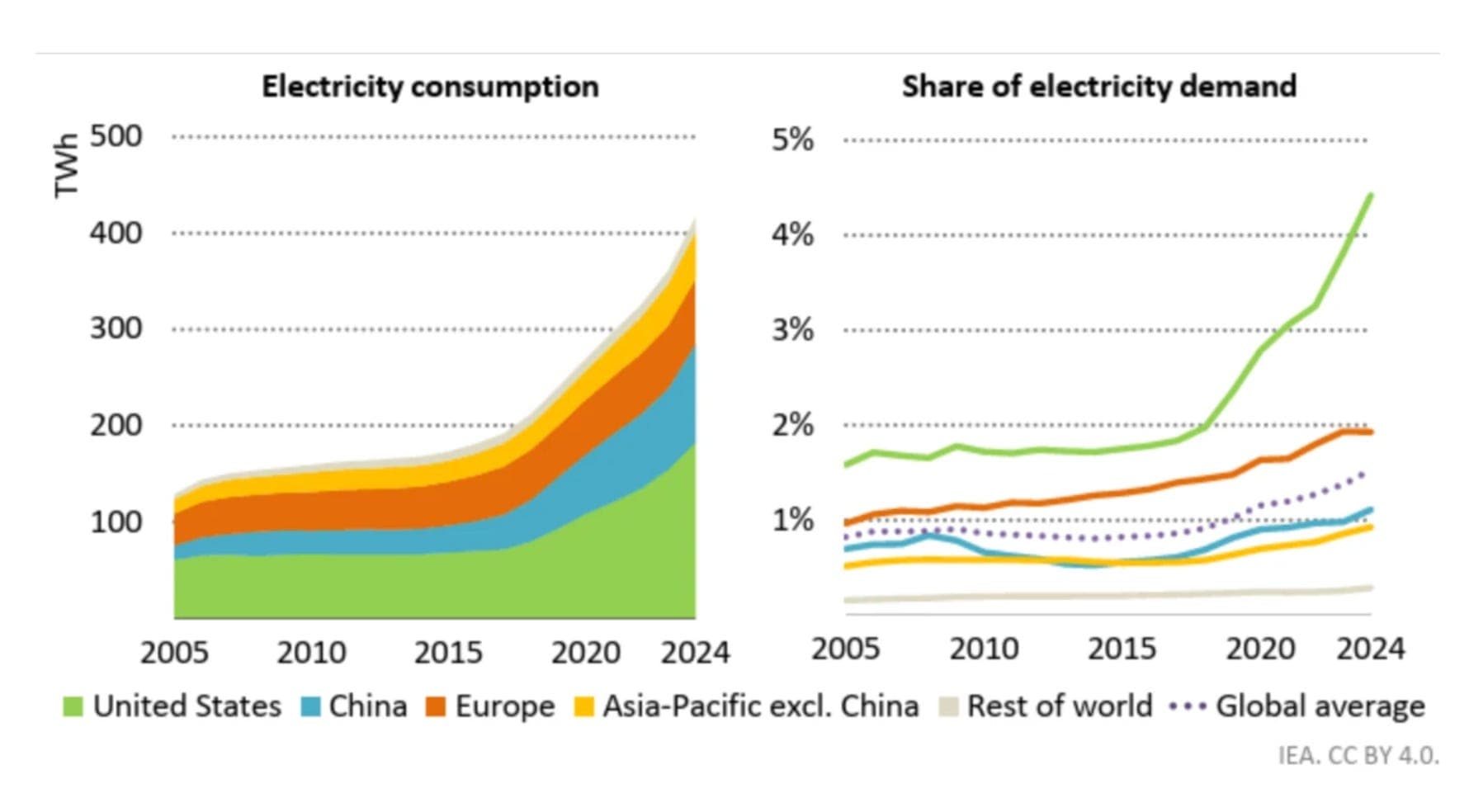
The New Jersey Legislature passed a package of bills last Saturday aimed squarely at keeping data center electricity and infrastructure costs off the bills of ordinary ratepayers, a move with direct consequences for Cumberland County as the massive DataOne/Nebius AI campus in Vineland continues to generate both megawatts and controversy.
Assembly Bill A796, sponsored in part by Assemblyman Dave Bailey Jr., who represents Gloucester, Salem and Cumberland counties, passed the General Assembly 54-18. It requires electric utilities to design separate rate structures for any facility drawing at least 100 megawatts of peak electricity at a single location, which is enough power to serve 67,000 to 100,000 New Jersey households. Utilities must file applications with the state Board of Public Utilities within 180 days of the bill becoming law. Critically, the BPU will also be empowered to require financial guarantees from large energy users, mandating they pay for at least 85 percent of their requested service over a minimum of 10 years.
The Senate passed companion legislation on the same day. Senate Bill S3379 will require data center owners and operators to submit semi-annual reports on water and energy use directly to the BPU. A Senate resolution, SR18, calls on data centers to source power from low- or zero-emission supplies, and urges neighboring states in the PJM Interconnection grid serving New Jersey, Pennsylvania and Maryland to adopt similar regulations.
State Sen. John McKeon, a leading proponent of the package, framed the bills as a defense against an electricity cost spiral already underway. "New Jersey residents are already facing major increases to their energy bills, and with exploding demand for new data center development those increases are at risk of worsening," McKeon said. Not every legislator agreed. Assemblywoman Dawn Fantasia argued the bills are "messy" and could be "un-business friendly," reflecting broader tensions in Trenton over how aggressively the state should regulate an industry it also wants to attract.
The legislation lands at a particularly charged moment in Vineland. The DataOne campus on South Lincoln Avenue, a 2.4 million-square-foot development backed by a $17 billion deal between the Netherlands-based Nebius Group and Microsoft, already has one completed 130,000-square-foot building with three data rooms operating. The facility sits above the Kirkwood-Cohansey aquifer, a critical drinking water source for South Jersey, raising concerns among environmental advocates about long-term water impacts as the project scales.
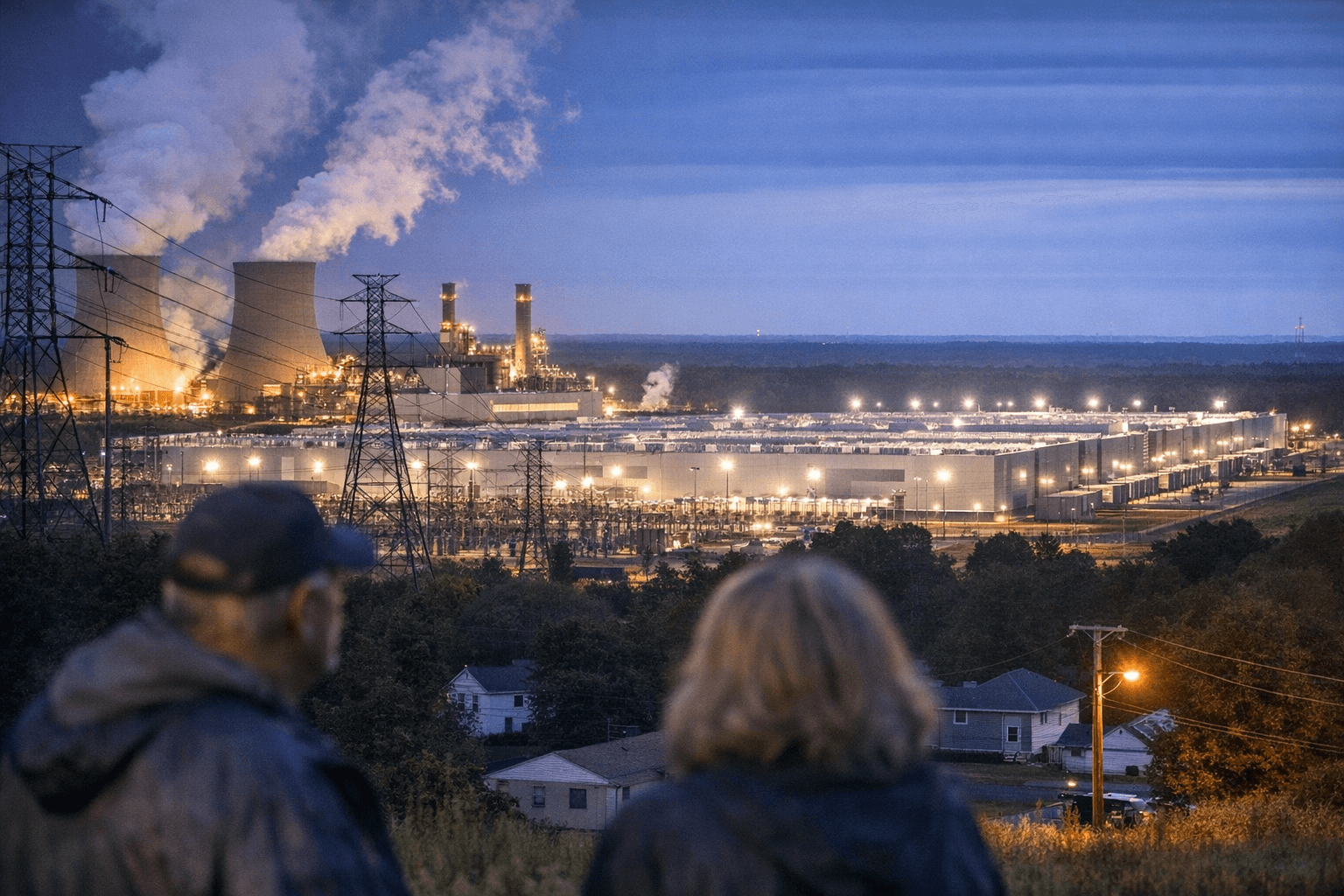
More than 100 people showed up at a protest against the data center in late March, and DataOne recently asked to postpone a Vineland planning commission meeting about the second phase of the giant project, which has since been rescheduled to May 28. That second phase would add a two-story building covering 588,000 square feet, along with a power generation facility, water infrastructure and a liquefied natural gas system.
The Cumberland County Department of Health has responded to complaints and visited the area to measure sound levels related to a persistent low-frequency hum residents near Lincoln Avenue and Hance Bridge Road say has disrupted their sleep and daily routines. DataOne maintains the site is operating within Vineland's noise ordinance limits, attributing sounds to active construction rather than permanent operations.
For Cumberland County communities weighing the promises and costs of hyperscale development, the new state framework offers more than just rate protection. The semi-annual BPU reporting requirements on water and energy use will give local planners and advocates hard data, rather than developer assurances, when evaluating the cumulative strain a facility of this scale places on a shared aquifer and a regional grid already under pressure.
This article was produced by Prism’s automated news system from verified source data, official records, and press releases, then run through automated quality and moderation checks before publishing. The system is built and supervised by the people who set the standards it runs under. Read our full AI policy.
Did this article answer your question?

