Utilities warn of possible outages as Cumberland County heat surges
PJM kept a hot-weather alert active as heat index values neared 115 degrees, and Cumberland County is pointing residents to cooling centers and charging stations if power fails.
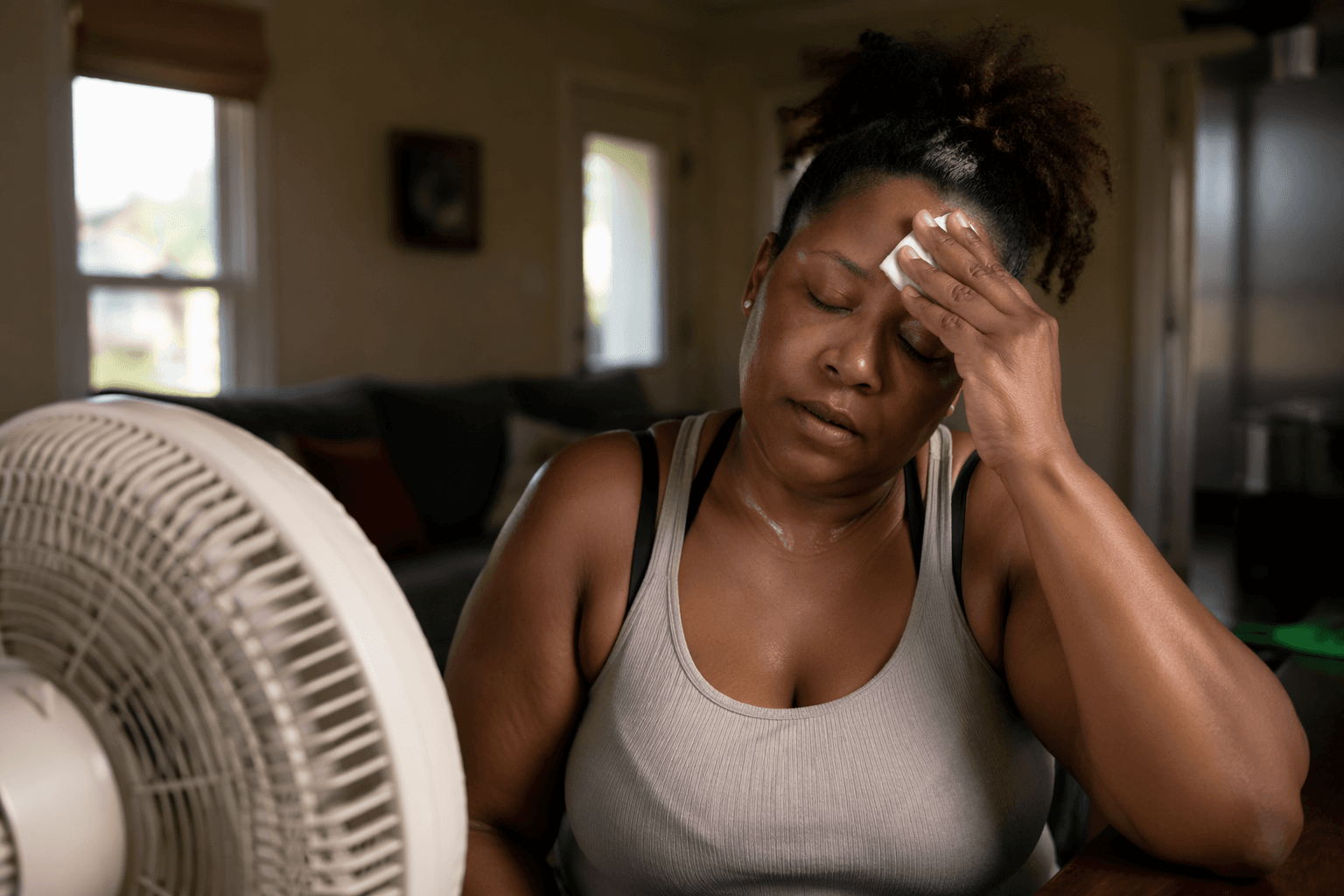
PJM kept a Hot Weather Alert in place for the entire region it serves through at least July 3, and PSE&G warned that 95 to 105 degree temperatures across New Jersey could drive demand high enough to trigger outages. In Cumberland County, that makes the next 24 hours about more than discomfort. Residents are being pushed to line up backup cooling now, before a local failure turns the heat into a health emergency.
The National Weather Service office in Mount Holly said dangerous heat and humidity would continue through Saturday, with highs of 95 to 105 degrees, heat index values between 100 and 110, and locally as high as 115. Overnight lows in the mid-70s to low-80s would offer little relief, keeping homes, apartments and care facilities under strain long after dark. NJ.com’s related coverage said the heat could feel like 115 degrees and could complicate outdoor plans around the July Fourth weekend.
PJM said the alert was a routine procedure used to prepare transmission and generation staff and facilities for expected spikes in electricity demand. The grid operator also reported a preliminary hourly integrated peak of 161,910 MW on July 1, a sign of how fast load was climbing as air conditioners ran constantly across the region. PSE&G said temperatures in the 95 to 105 degree range can place extra strain on the electric system and lead to potential outages.
Cumberland County says its cooling centers and charging stations can provide ice, water, charging stations and facilities for people without electric service. State officials direct residents to call or text NJ 2-1-1 to find official cooling centers during heat emergencies, giving households a direct path to a cooled public space if power goes out at home. The New Jersey Department of Environmental Protection says older adults are especially vulnerable because chronic conditions and medications can make it harder for the body to regulate temperature.
That risk is broader than one age group. Young children, people with disabilities and residents who rely on powered medical equipment face the same kind of rapid danger if an outage cuts off air conditioning or device charging. With the holiday weekend still ahead, Cumberland County’s safest move is to keep phones charged, know the nearest cooling center, and be ready to leave quickly if the lights go out before the heat breaks.
This article was produced by Prism’s automated news system from verified source data, official records, and press releases, then run through automated quality and moderation checks before publishing. The system is built and supervised by the people who set the standards it runs under. Read our full AI policy.
Did this article answer your question?