Decatur County seeks bids for hunting lease on county land
County leaders are taking bids on 159.51 acres on Duck Farm Road, with the lease limited to Decatur County residents and backed by $1 million liability coverage.
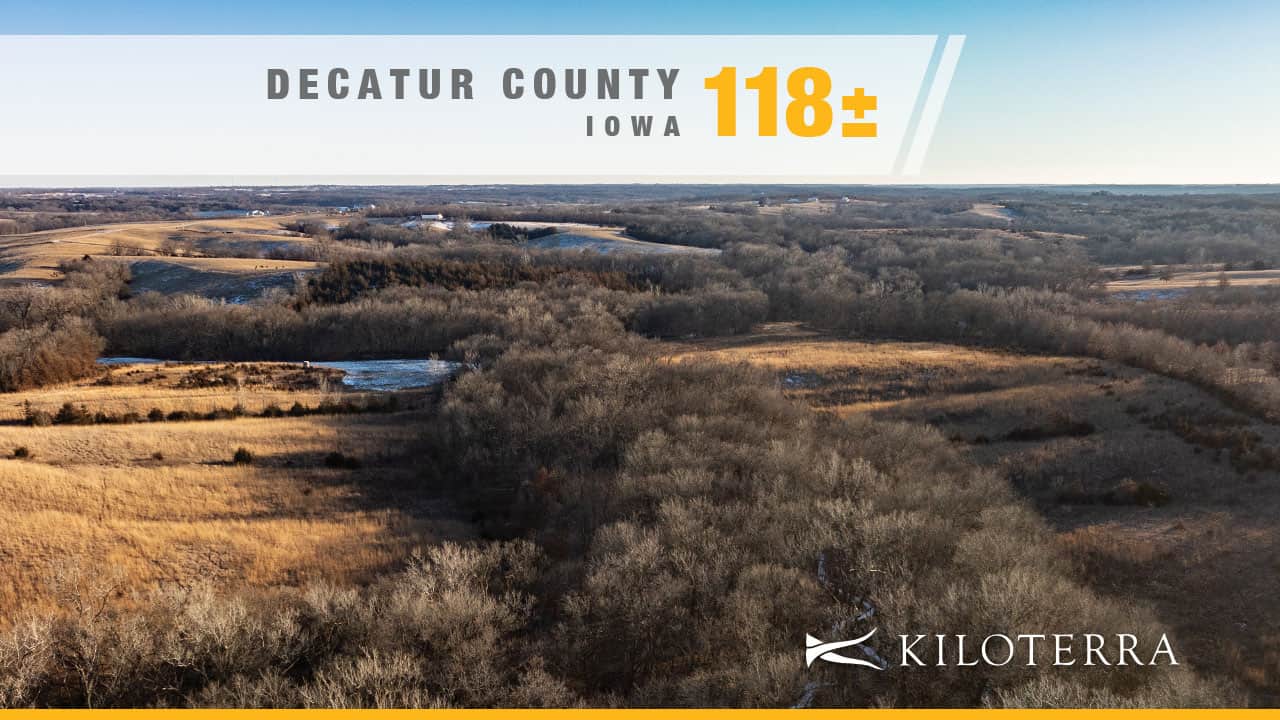
The Decatur County Industrial Development Board is asking for hunting lease proposals on county-owned land on Duck Farm Road, a 159.51-acre tract listed by the Decatur County Property Assessor as Map 011 Parcel 6. The board said the lease season would run from June 1, 2025, through May 30, 2028, and the contract would go to the highest bidder through a closed-bid process.
The terms make the public-asset question hard to miss. The lease would be a tenancy-at-will, so either side could end it with 30 days’ written notice. The successful bidder must be a permanent resident of Decatur County, Tennessee, and may bring only two guests, who also must live in the county. Camping is prohibited, subleasing is prohibited, and only species legal during permitted season dates may be hunted. The lessee would also have to carry comprehensive general liability insurance with a minimum aggregate limit of $1,000,000.
The notice frames the tract as more than vacant acreage. By putting the property out for a hunting lease, the Industrial Development Board is treating county land as an asset that can produce revenue, while also keeping direct control over who uses it and how. That matters in Decatur County, where land management, recreation and economic planning often overlap. The county’s website describes Decatur County as having “abundant opportunities for sports and hunting,” and Mayor Mike Creasy’s page says agriculture remains a major industry while tourism also plays an important role in the local economy.
The choice of an industrial development board to manage the lease also suggests the tract has been held as county-owned property with broader planning value, not as a simple recreational preserve. Leasing it for hunting can bring in money and still leave the county with oversight of access, safety and liability. The board’s insistence on resident-only use, limited guests and a no-camping rule points to an effort to keep the property controlled rather than open-ended.
That structure is consistent with how some Tennessee public hunting areas are handled. The Tennessee Wildlife Resources Agency says cooperative arrangements can allow the landholder to administer permits while TWRA enforces hunting regulations, a model built around defined rules rather than free use. In that context, Decatur County’s proposal looks less like a casual permission slip and more like a managed decision about how public land should earn its keep while remaining under county control.
This article was produced by Prism’s automated news system from verified source data, official records, and press releases, then run through automated quality and moderation checks before publishing. The system is built and supervised by the people who set the standards it runs under. Read our full AI policy.
Know something we missed? Have a correction or additional information?
Submit a Tip