State Funds Arts Projects to Boost Rural Hospital Health and Community
The Tennessee Arts Commission announced a $175,000 award on December 19 to launch the inaugural Tennessee Arts & Rural Health Initiative, a pilot to bring arts based projects to 10 rural hospitals across the state. The partnership with the Tennessee Hospital Association aims to improve patient family and staff wellbeing, an effort that could affect residents across West Tennessee including Decatur County.
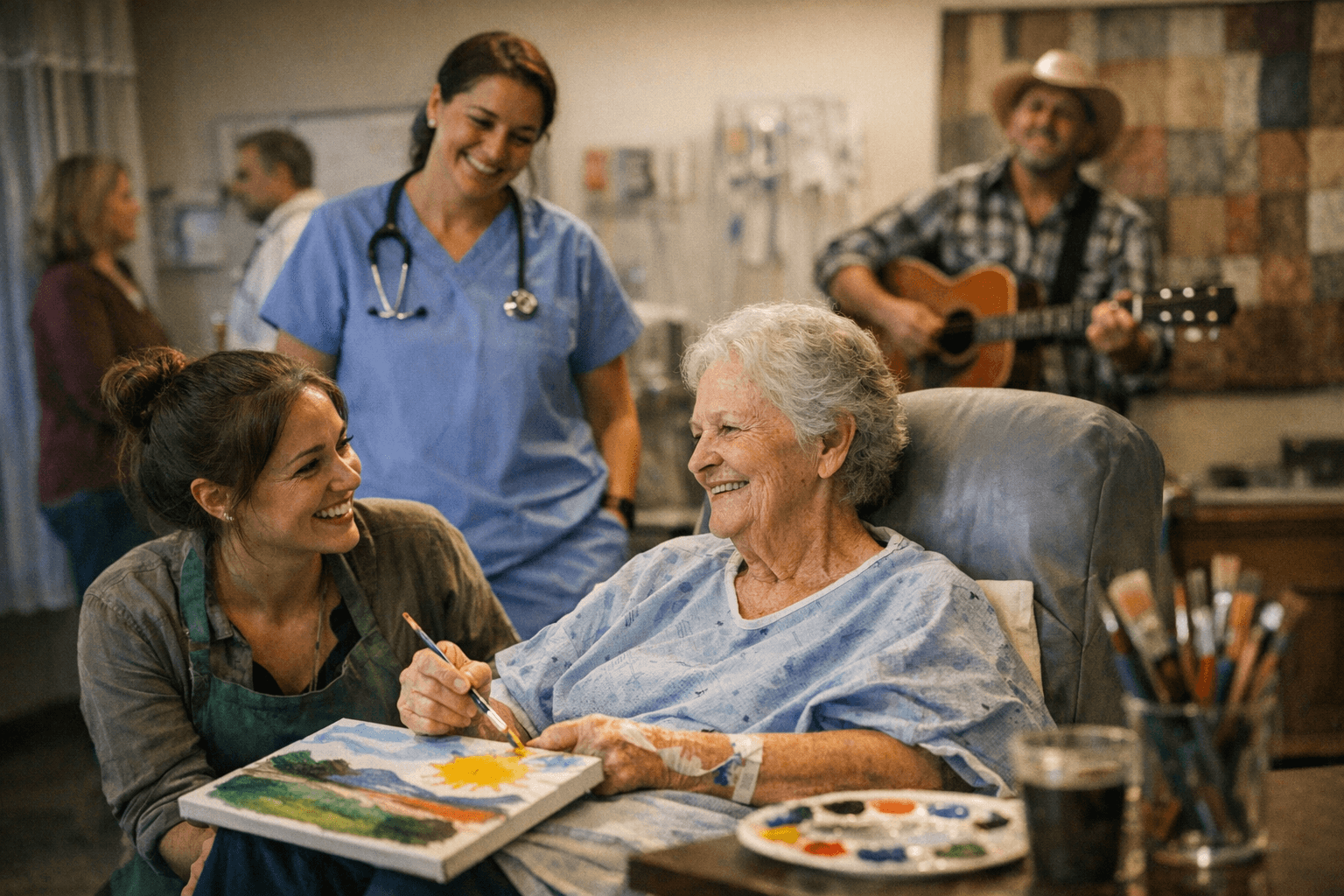
The Tennessee Arts Commission awarded $175,000 to a pilot program called the Tennessee Arts & Rural Health Initiative, officials announced December 19. The program, created in partnership with the Tennessee Hospital Association and supported in part by the National Endowment for the Arts and state funding, will fund creative projects at 10 rural hospitals statewide. Three hospitals were selected in Middle Tennessee, three in East Tennessee, and four in West Tennessee. Projects are scheduled to begin in January 2026 and are expected to conclude by mid 2026.
Planned interventions include murals, bedside pediatric art sessions, staff space artwork, and an art driven courtyard, with the stated goals of reducing social isolation improving quality of life and strengthening community ties. Organizers framed the effort as a way to address wellbeing for patients families and hospital staff by integrating artistic practice into clinical and communal spaces.
For Decatur County residents the initiative matters because rural hospitals often serve broad geographic regions and act as hubs for health services and community activity. Although the announcement lists selected hospitals by county the program is statewide in scope and the four West Tennessee sites could include facilities that serve Decatur County patients and employees. Even projects hosted outside the county may provide models and partnerships that local providers can replicate.
Public health experts say nonclinical interventions such as arts programs can bolster mental health reduce feelings of isolation and support staff morale, all of which contribute to better health outcomes and a more resilient local health system. For rural communities that face workforce shortages and fewer behavioral health resources the pilot offers an opportunity to test creative public health strategies and to document whether arts based approaches can improve retention reduce burnout and enhance patient experience.
Policy implications include the potential for scaling successful models through sustained funding and integrating arts initiatives into rural health planning. As the projects proceed in early 2026 health leaders and community advocates in Decatur County should watch for outcome reports and opportunities to adapt arts based practices to local needs.
Know something we missed? Have a correction or additional information?
Submit a Tip