Dolores County Community Guide: Services, Contacts, and Attractions for Residents and Visitors
Dolores County's essential services, civic contacts, and local attractions span four distinct communities, from the county seat at Dove Creek to the mountain town of Rico.
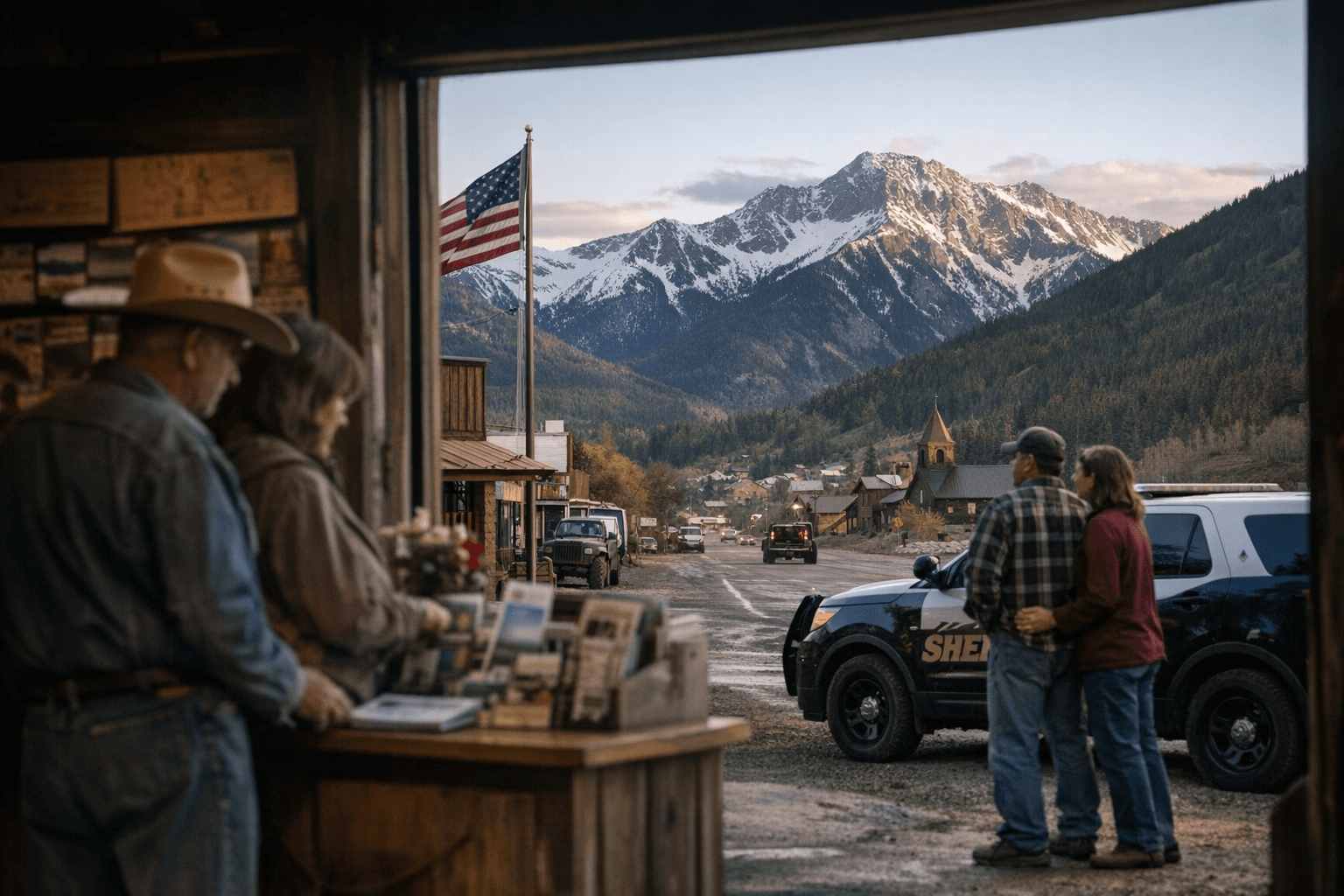
Tucked into the high desert and mountain terrain of southwestern Colorado, Dolores County covers a sprawling landscape that can make finding the right service or resource feel like a challenge for anyone unfamiliar with the region. Whether you are a longtime resident of Dove Creek, a seasonal visitor passing through Stoner, a rancher near Cahone, or someone drawn to the historic mining character of Rico, this guide pulls together the essential contacts, civic institutions, community resources, and local attractions that define life in this corner of the state.
Dove Creek: The County Seat and Civic Hub
Dove Creek serves as the administrative and commercial center of Dolores County, making it the first stop for most civic needs. As the county seat, it houses the primary government offices where residents can access records, permits, and county services. The town sits at an elevation that defines much of its agricultural identity, most notably as the self-proclaimed "Pinto Bean Capital of the World," a designation rooted in generations of dry-land farming that still shapes the local economy today.
For anyone navigating county government, Dove Creek is where to begin. The Dolores County offices handle everything from property assessments to public health inquiries, and staff are generally accustomed to assisting residents who have traveled significant distances given the rural spread of the county. The town also supports a small but meaningful commercial strip where residents can handle everyday errands without making the longer drive to Cortez or Durango.
Rico: History, Altitude, and Outdoor Access
Rico occupies a distinct place in Dolores County's identity. Situated along the Dolores River at an elevation above 8,800 feet, the town has deep roots in silver and gold mining that date to the late 19th century, and its historic character remains visible in the architecture and layout of the small community. Rico functions today as both a residential enclave and a gateway for outdoor recreation, drawing visitors interested in the surrounding San Juan Mountains and the Rico-West Dolores trail network.
The town's small permanent population means that services are limited locally, but Rico's position along State Highway 145 connects it to broader resources in both directions. For visitors, Rico offers a genuine sense of place that is harder to find in more developed mountain towns, with the Dolores River corridor providing fishing, hiking, and wildlife viewing opportunities close at hand.
Cahone: Rural Community Life
Cahone represents the quieter, agricultural heart of Dolores County's mesa country. The community sits northeast of Dove Creek and reflects the ranching and farming culture that has sustained rural families in this region for well over a century. While Cahone lacks the commercial infrastructure of larger towns, it maintains a community identity anchored by local schools, agricultural ties, and the kind of neighbor-to-neighbor networks that function as an informal safety net in remote rural areas.
For residents in and around Cahone, Dove Creek remains the practical hub for government services and shopping, while community gatherings and local institutions help sustain connection within the immediate area. Families with children in the Dolores County school system will be familiar with the routes connecting Cahone to county educational resources.
Stoner: A Quiet Corridor
Stoner sits along the Dolores River corridor in a setting that leans heavily toward natural beauty and recreational access. Like much of rural Dolores County, Stoner is a place where the landscape itself is the primary draw, with the river, surrounding forest land, and proximity to the San Juan National Forest creating conditions that appeal to anglers, campers, and those seeking a quieter pace. The area sees a mix of permanent residents and seasonal visitors, and its character reflects the broader pattern of Dolores County communities where outdoor access is both a way of life and an economic driver.
Navigating County Services
Dolores County government provides a range of services that residents across all four communities rely on, from road maintenance on the county's extensive network of rural roads to public health, emergency services, and land use administration. Given the geographic spread of the county, understanding which office handles which function can save significant time.
Key points for accessing county services:
- The Dolores County administrative offices are based in Dove Creek and handle most government functions including the assessor, treasurer, clerk, and planning departments.
- Emergency services are coordinated across a county where distances between communities can be substantial, making it important to know local volunteer fire and EMS contacts in advance.
- Public health resources in this part of Colorado often involve coordination with regional providers in Montezuma County, given the limited local healthcare infrastructure.
- Road conditions, particularly in winter months, can significantly affect travel between communities, and the county road and bridge department is a key contact for reporting hazards or closures.
Community Resources and Recurring Events
Rural counties like Dolores depend heavily on recurring community touchpoints to maintain social cohesion and ensure residents stay informed. Local schools serve not just as educational institutions but as community gathering spaces, and events tied to the agricultural calendar, including harvest seasons and county fairs, anchor the social year for many families.
The Dolores County 4-H program and agricultural extension services provide resources for ranching and farming families, connecting them with research, training, and support networks that help sustain viable rural livelihoods. For seniors and residents with limited mobility, understanding available transportation and home services options is particularly important in a county where the nearest hospital or specialist may be an hour or more away.
Visiting Dolores County
For visitors, Dolores County offers a combination of historical depth, outdoor recreation, and genuine rural authenticity that is increasingly rare in the American West. The drive along Highway 145 through Rico and the Dolores River canyon is itself a worthwhile experience, offering dramatic scenery that connects the region to the broader Four Corners landscape. Fishing on the Dolores River, hiking in the surrounding national forest, and exploring the historic character of Rico give visitors substantive reasons to linger rather than pass through.
Dove Creek provides the most practical base for visitors who need lodging, fuel, and supplies, while those drawn specifically to the mountains and river corridor will find Rico's limited services adequate for shorter stays. The county's position within reach of Mesa Verde National Park, the San Juan Skyway, and other regional landmarks also makes it a natural stop on a broader southwestern Colorado itinerary.
Dolores County may not appear on many traveler shortlists, but for those who take the time to understand its communities and the services that sustain them, it offers a portrait of rural Colorado life that is worth knowing well.
Know something we missed? Have a correction or additional information?
Submit a Tip